Search
Enter at least 3 characters
Plain-language explanations of engines, transmissions, and core car systems.
Updated daily · 16 stories

By Cars Explained Editorial Team · 8 min read
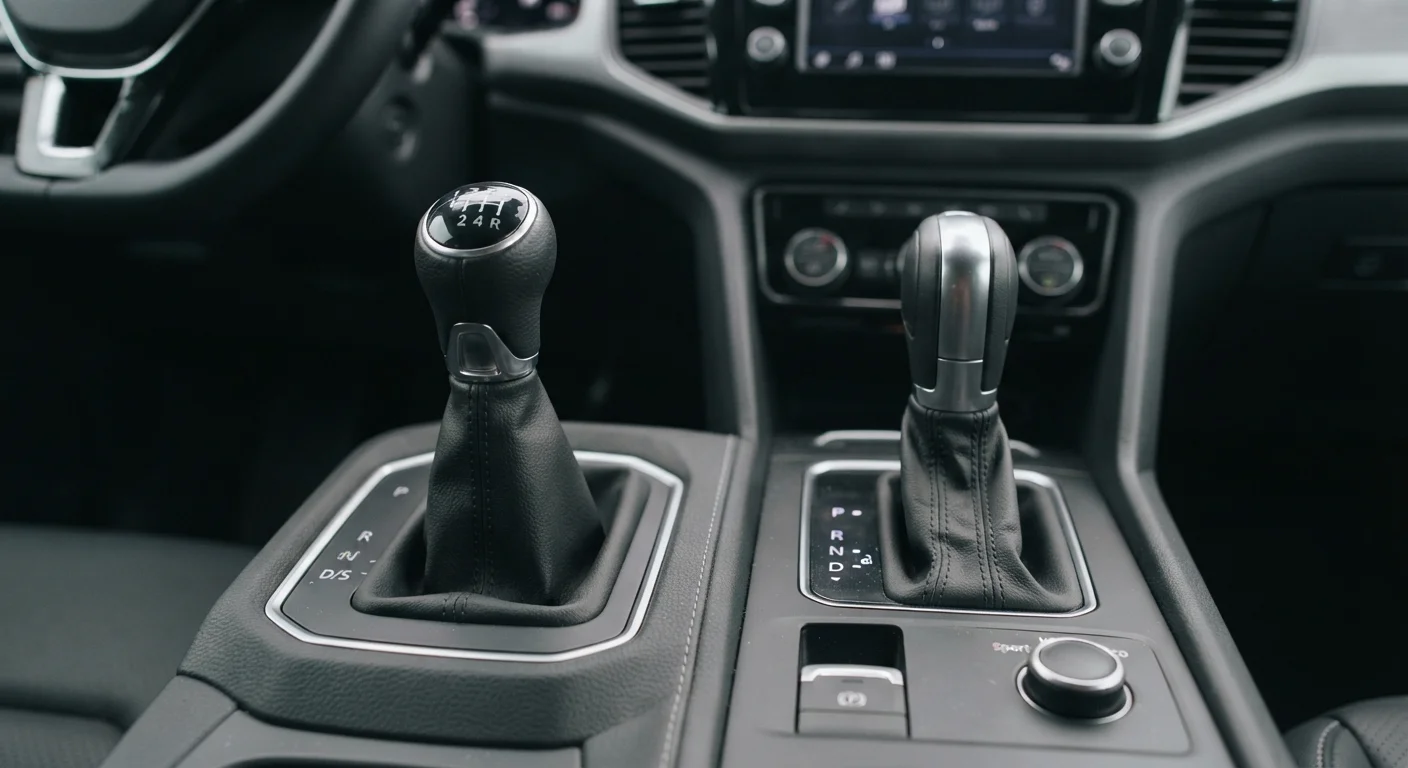
Beyond just having a clutch pedal — a clear look at how automatic and manual gearboxes actually work and when each makes…
From alternator to torque, a plain-language reference for the mechanical and electrical terms you'll encounter as a car …
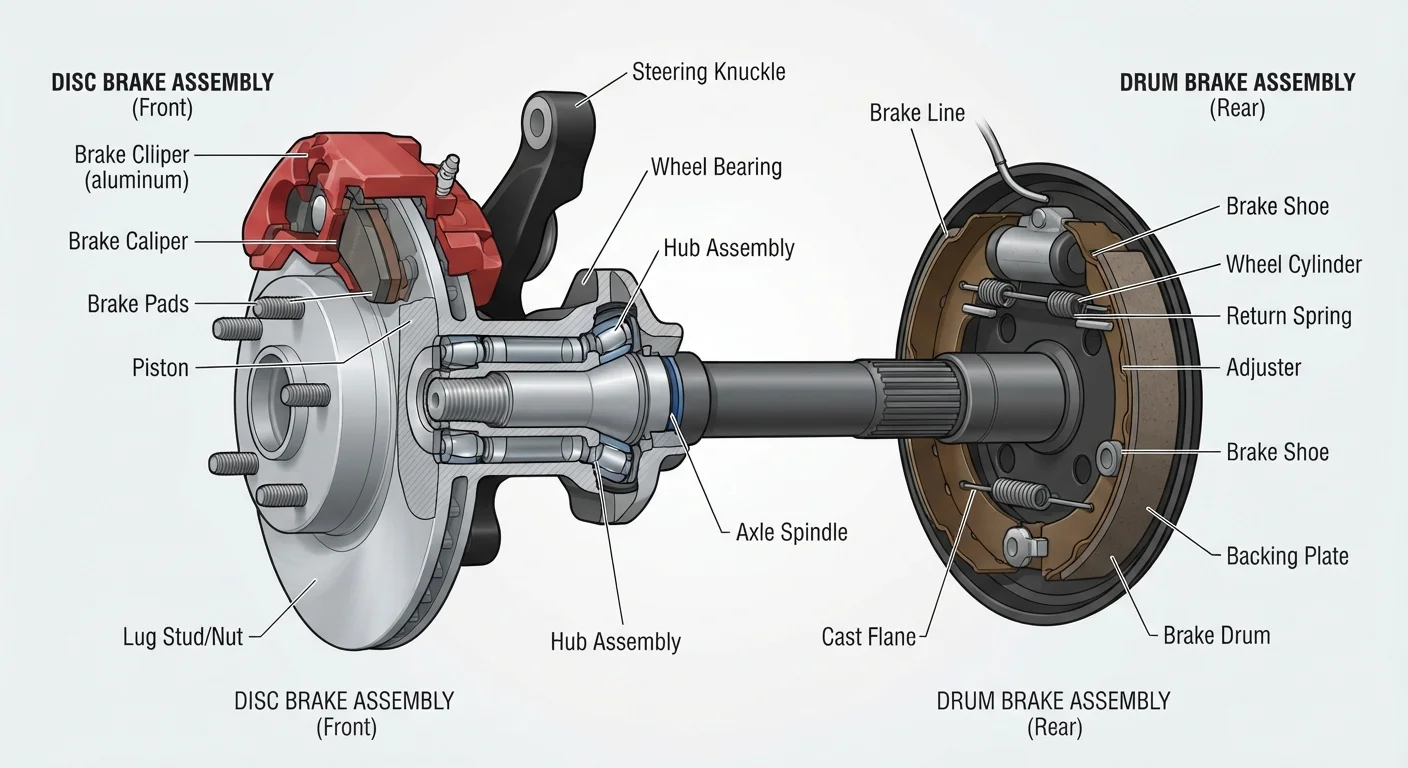
Disc and drum brakes work on different principles. Understanding both explains why most vehicles still use each in diffe…
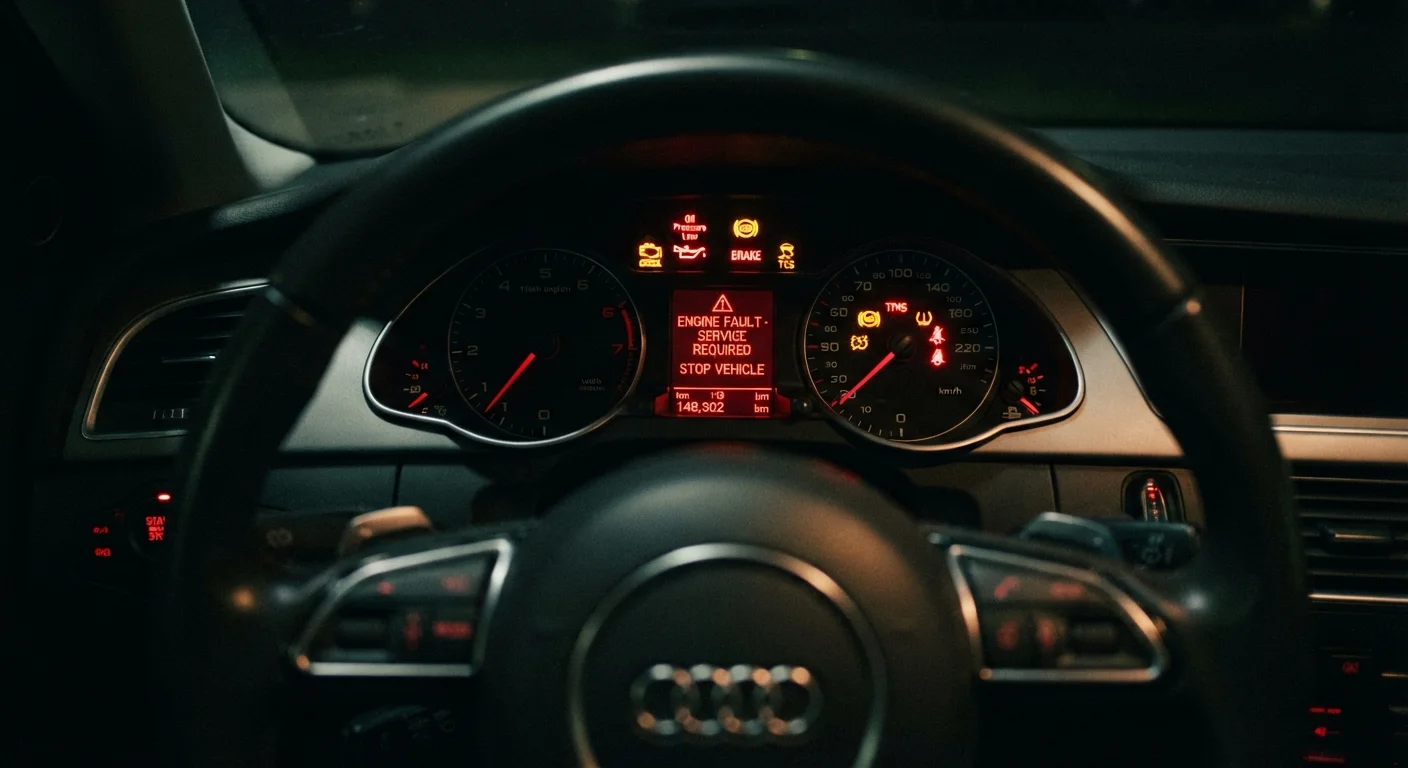
Warning lights can mean anything from a loose petrol cap to a serious fault. Learn what the key symbols signal before ig…
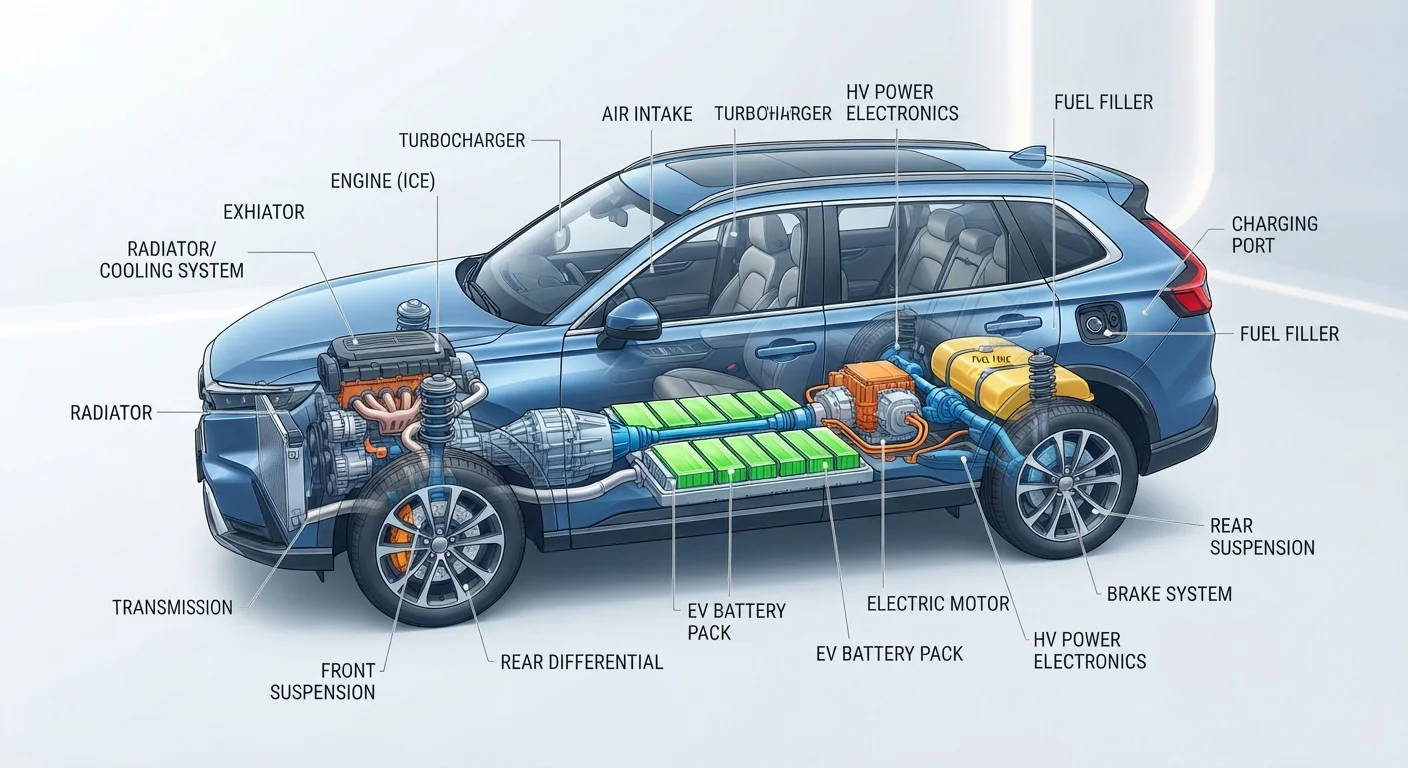
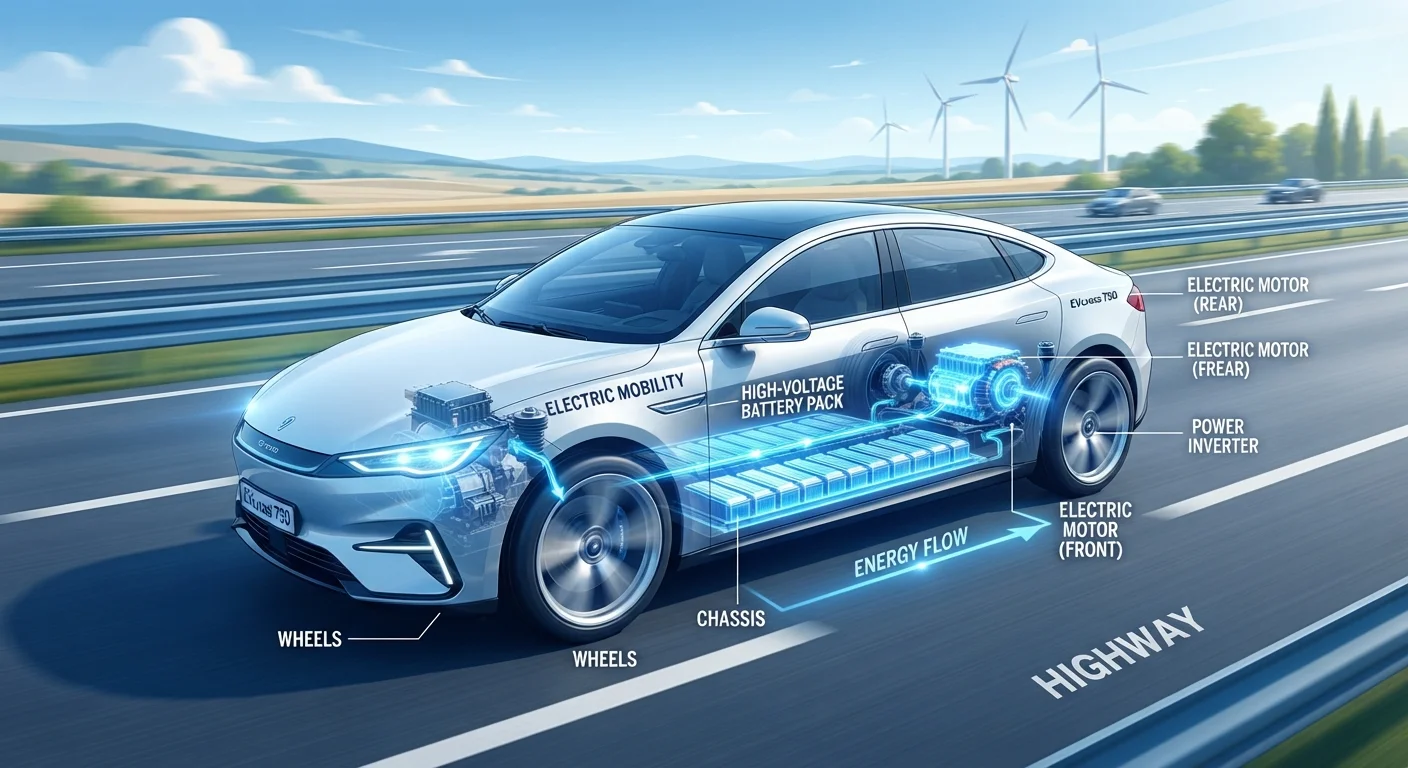
No pistons, no gearbox — electric vehicles use a fundamentally different system. Here's what actually propels an EV down…
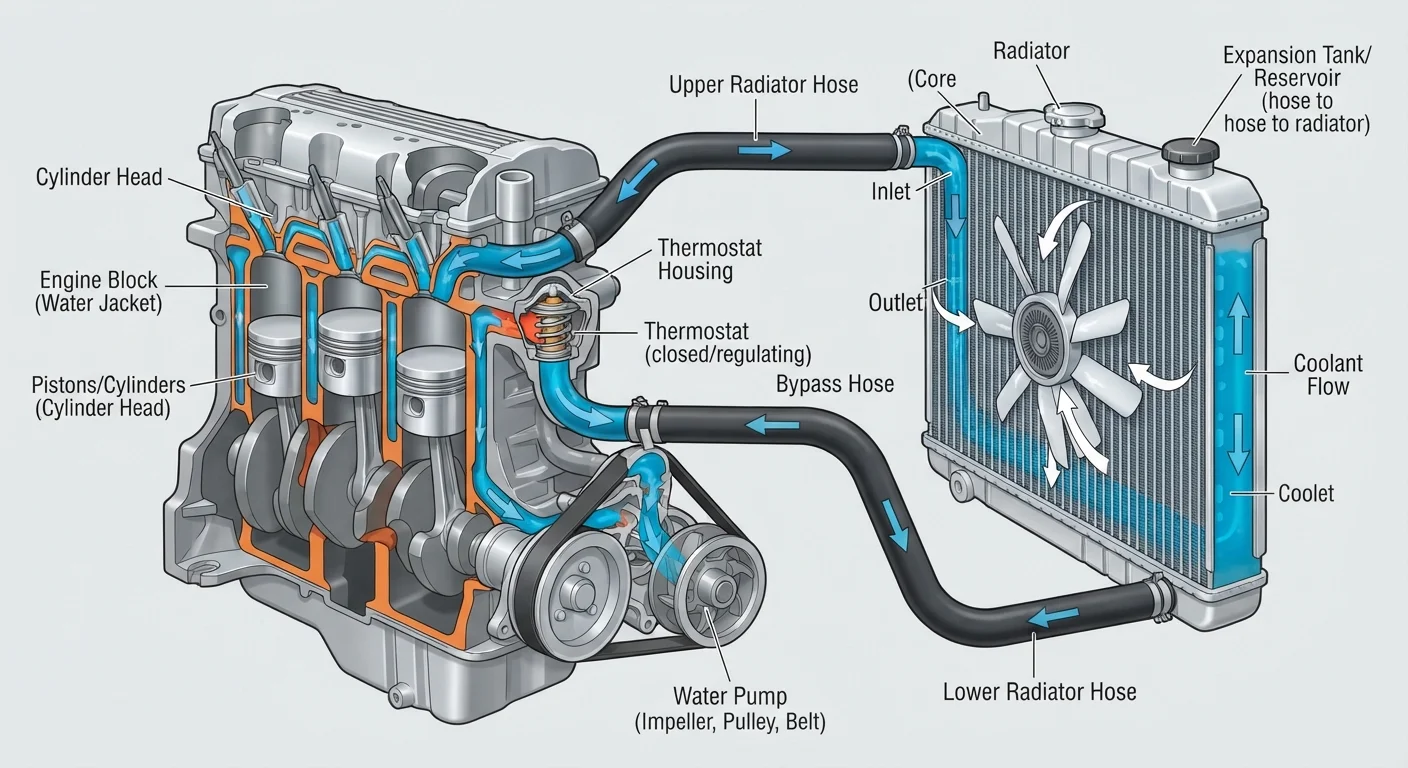
Engines generate enormous heat — here's how coolant, radiators, and thermostats work together to keep temperatures in ch…
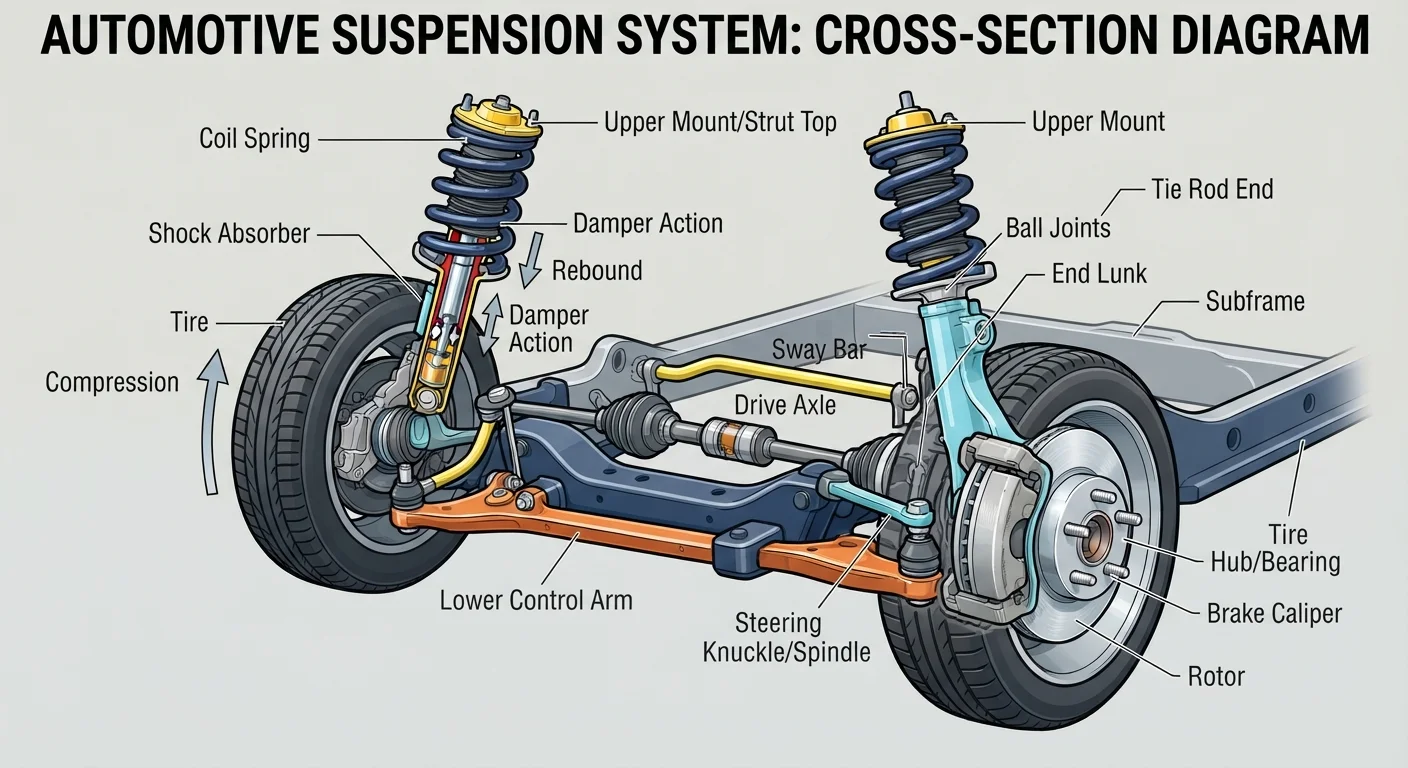
Springs, shock absorbers, and control arms all work together so passengers feel smooth — even on rough roads. Here's the…
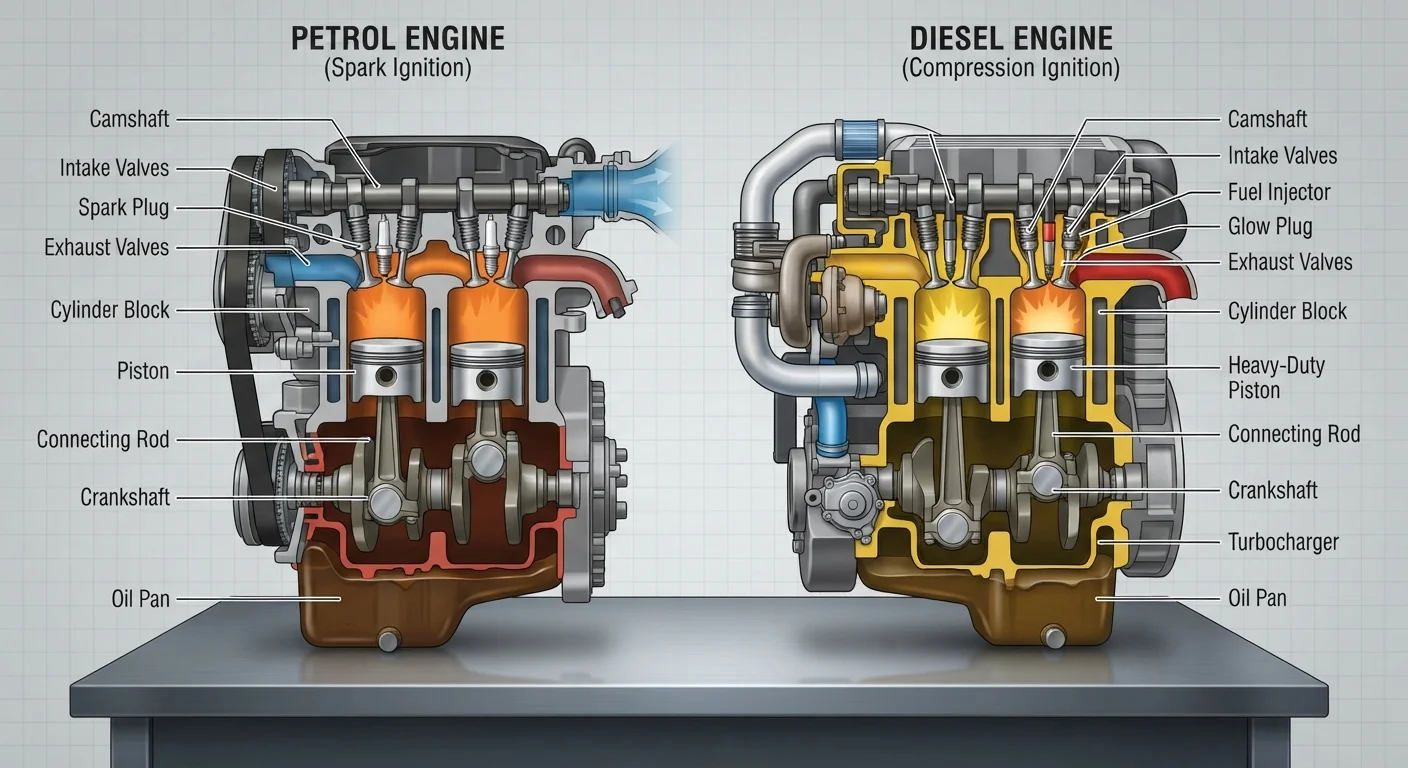
Both burn fuel to move a car, but the process is surprisingly different. Here's what sets petrol and diesel engines apar…
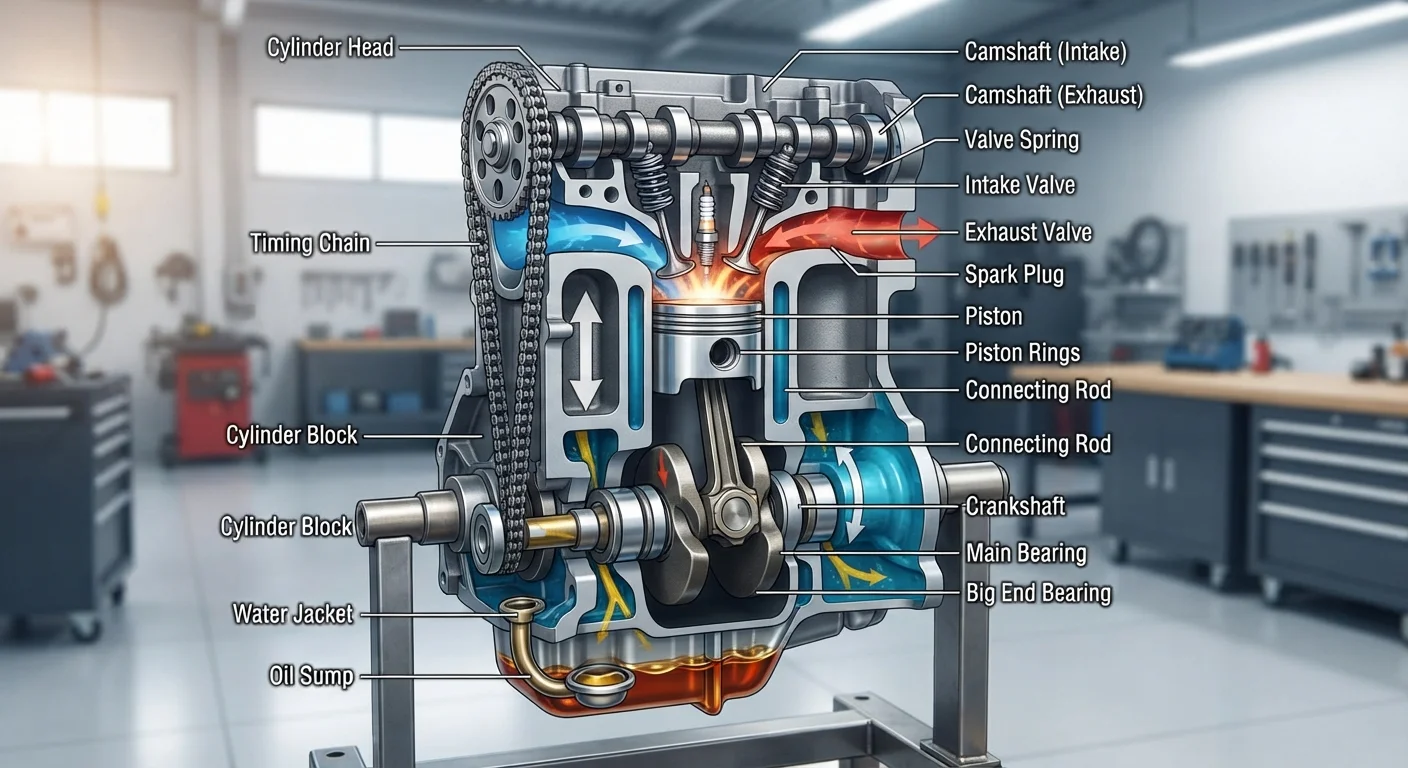
Intake, compression, combustion, exhaust — here's what's really happening inside your engine on every single revolution.…
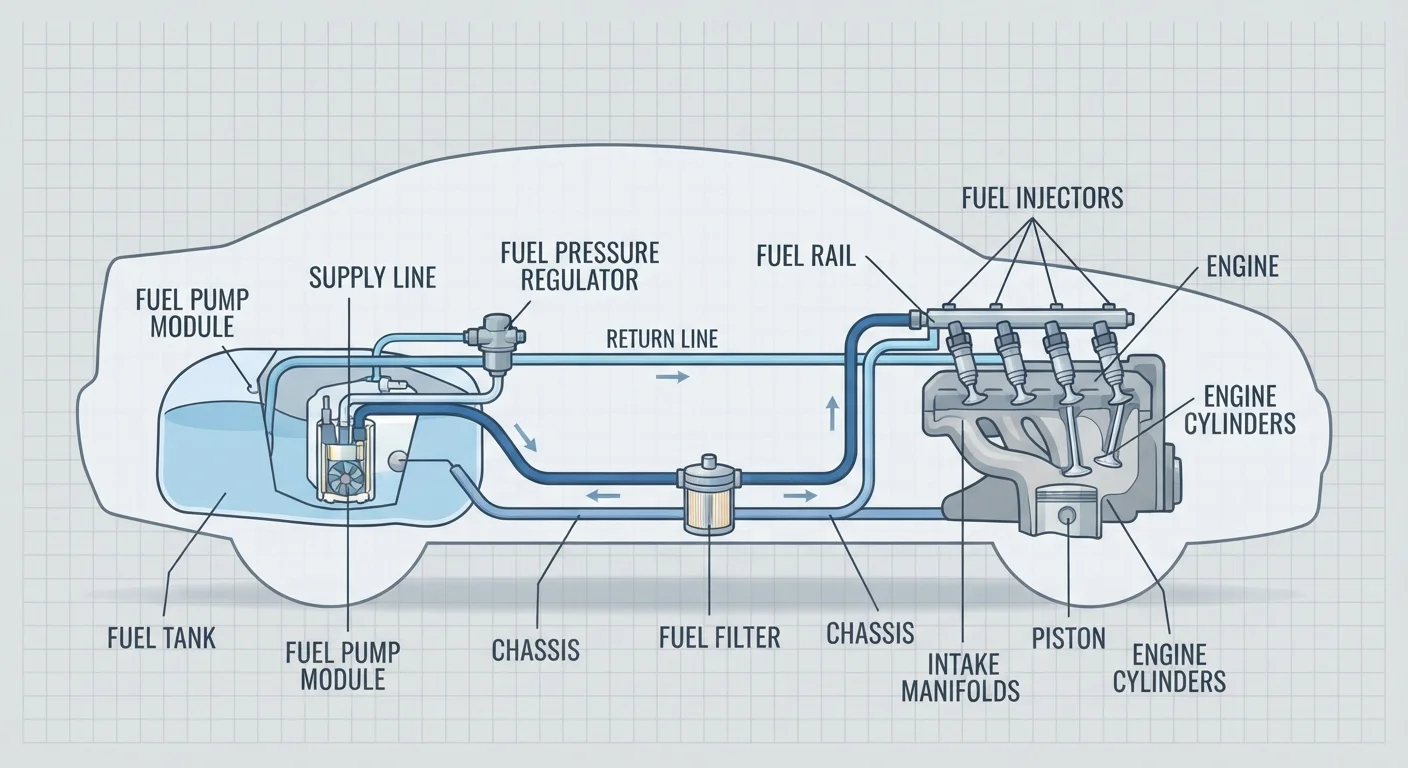
Fuel doesn't just flow from the tank to the engine by gravity. Here's the full path — pump, filter, injectors, and all —…
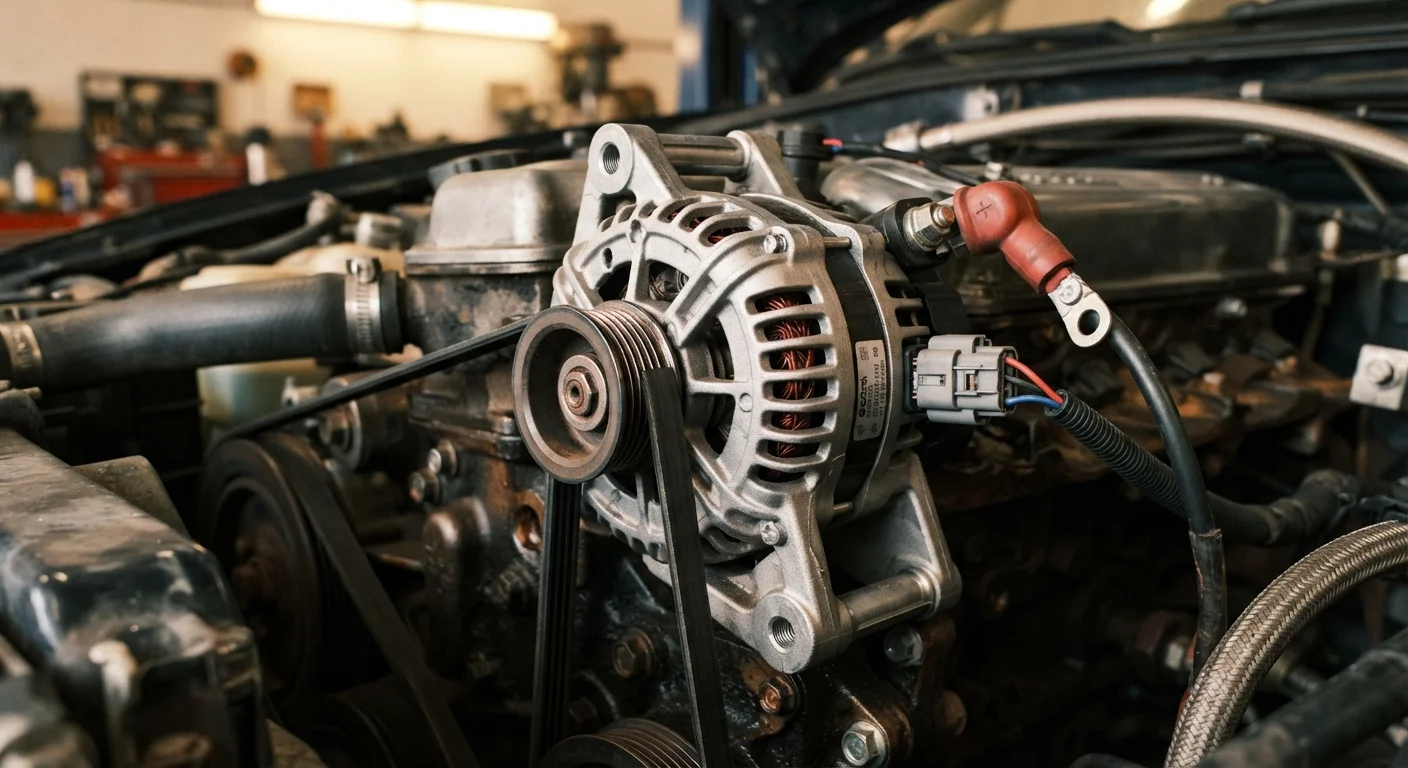
A battery starts the engine, but it's the alternator that keeps everything powered while you drive. Here's how it works.…
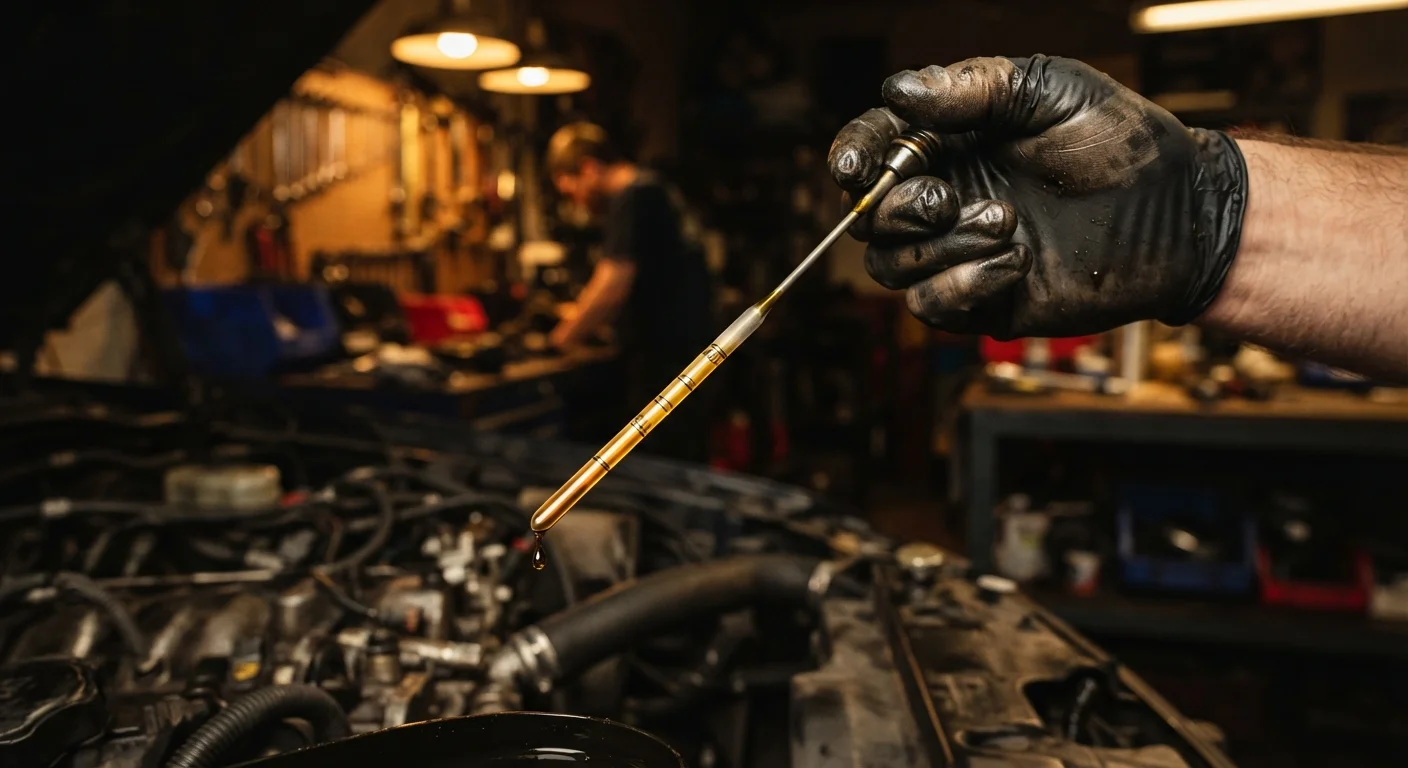
Must you change oil every 3,000 miles? Does colour tell you everything? Common engine oil myths unpacked with accurate c…
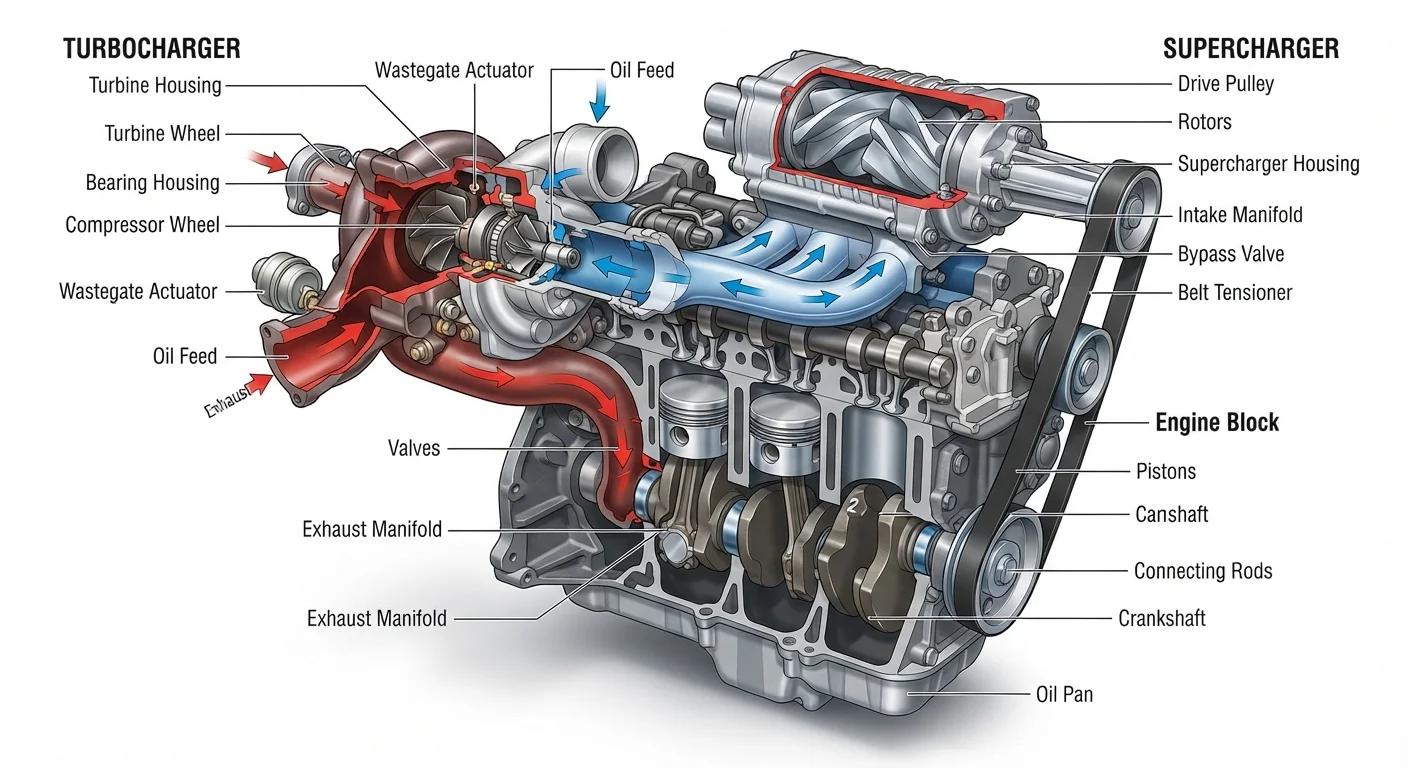
Both force extra air into an engine to produce more power, but they do it very differently. Here's a plain-language comp…
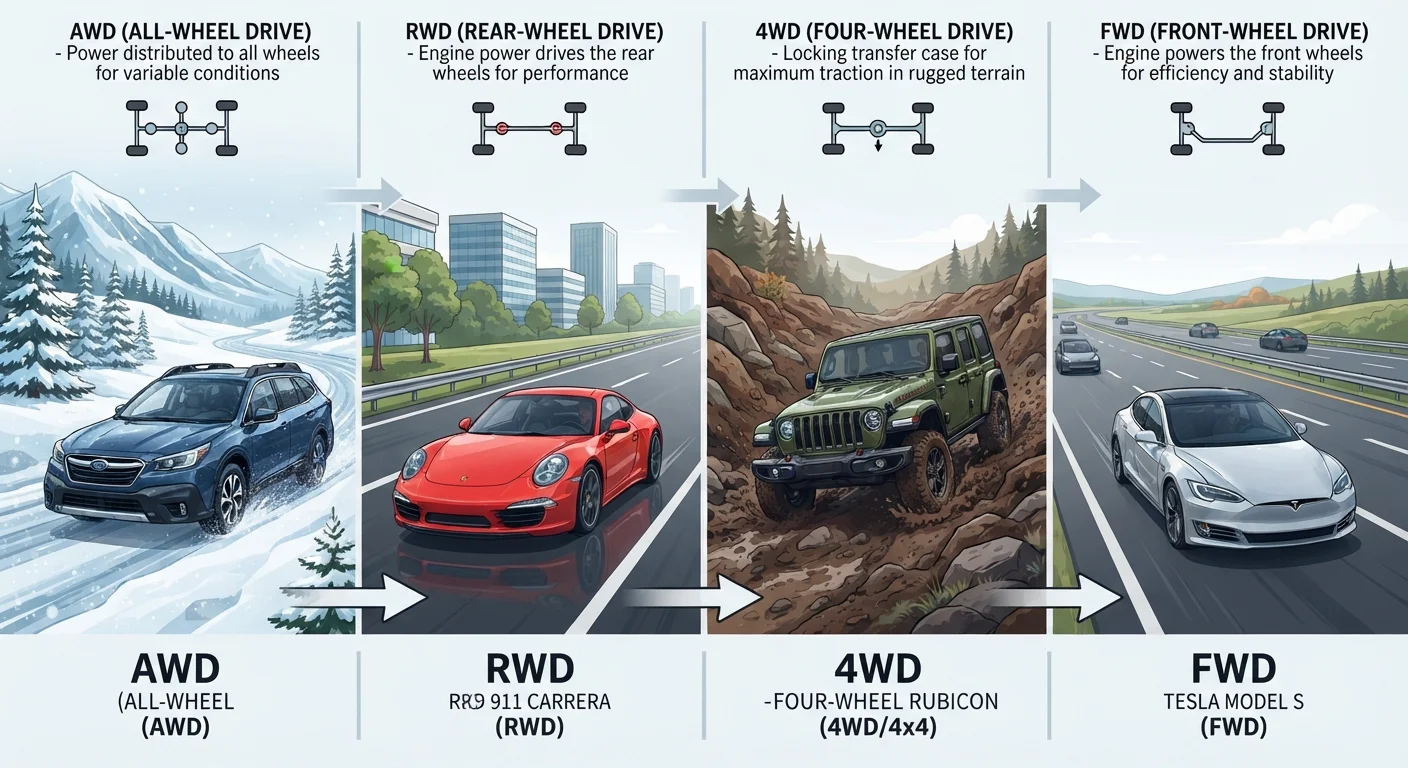
These four drivetrain layouts each send power to the wheels differently. Here's what each one means for traction, handli…
From battery spark to engine roar — a plain-language walkthrough of the ignition sequence most drivers never think about…