Topics
Search
Enter at least 3 characters
Clear explanations of why pets act the way they do.
Updated daily · 15 stories
By Pets & Animals Editorial Team · 6 min read
Decode your cat's signals with this reference guide to feline postures, tail positions, vocalizations, and facial expres…
The first weeks of a puppy's life shape behaviour for years. Understand what the socialisation window is and why early e…
Living environment significantly influences how cats behave, cope with boredom, and interact with humans. Explore the ke…
Yawning, licking, and even tail wagging can mean different things than owners assume. Here are the most frequently misre…
From guilty looks to dominant dogs, many widely repeated ideas about pet behaviour don't hold up to scrutiny. Here's wha…
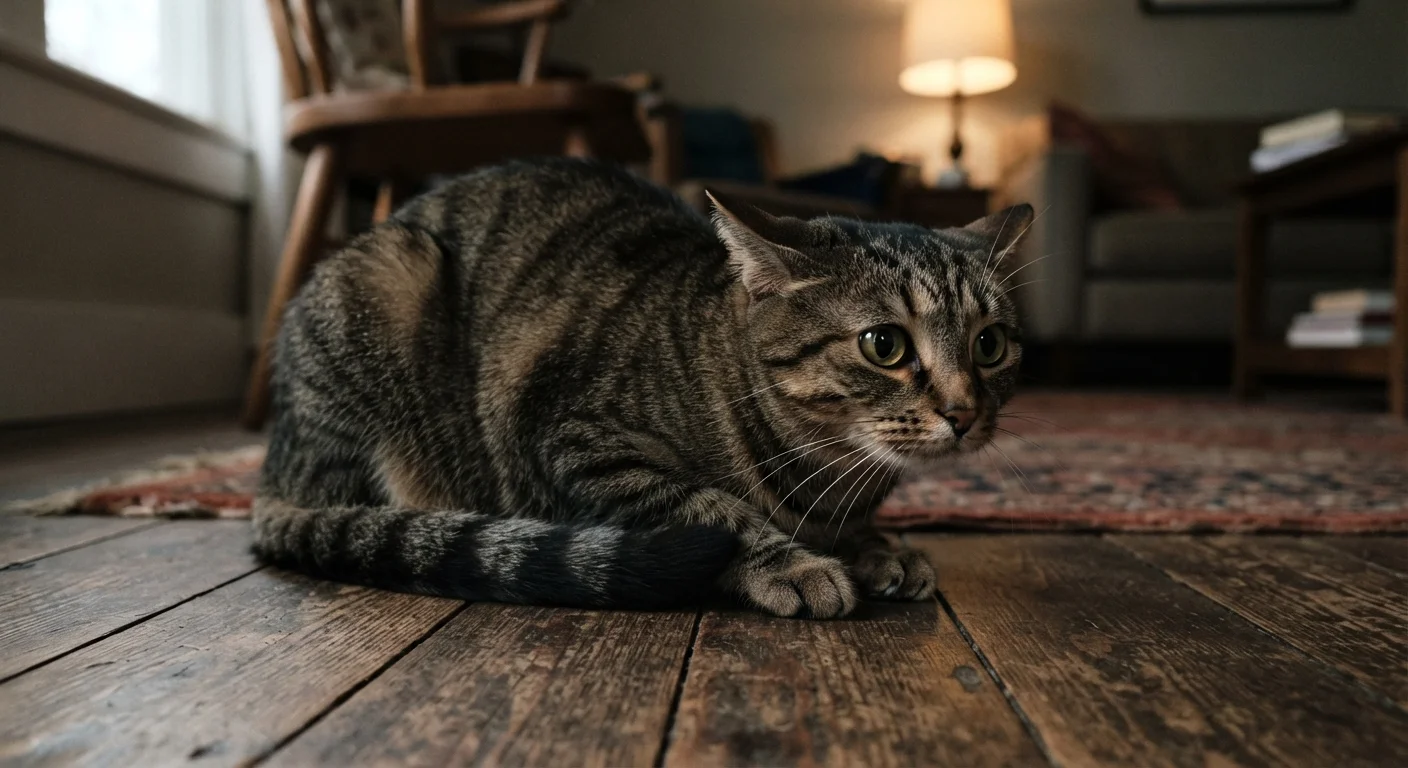
Cats rarely show distress loudly. This guide covers the subtle early warning signs of feline stress and what they mean f…
Tail chasing, excessive grooming, and pacing can signal boredom, anxiety, or an underlying issue. Learn what distinguish…
Destructive chewing, howling, and accidents when alone may signal separation anxiety. Learn what drives this behaviour a…
Boredom in pets shows up as destructive, attention-seeking, or repetitive behaviour. Discover how under-stimulation affe…
Both dogs and cats mark their space, but the motivations and methods differ. See how each species approaches territory a…
Those frantic laps around the living room have a name and a biological reason. Find out what's really happening when you…
Cat bites and scratches often have identifiable roots. This article explores the main drivers of feline aggression and h…
Curled up, sprawled flat, or pressed against you — dog sleep poses reflect comfort levels and environment, not always pe…
Dogs eating grass puzzles many owners. Explore what research and veterinary science say about this widespread canine beh…