
Why Cats Become Aggressive
Cat aggression is rarely random. Behind nearly every bite or scratch is a motivation — usually fear, physical discomfort, or the misfiring of a natural predatory instinct. Understanding which type is at play is the first step toward a calmer, safer household.
It helps to think of aggression as a spectrum of communication. Cats are not wired to fight unless necessary; most would prefer to retreat. When they cannot — or feel that they have no other option — behavior escalates. As owners, recognizing that escalation before it peaks makes an enormous difference.
Misreading common cat signals is one of the leading reasons aggression catches owners off guard. Body language cues like a low-held tail, flattened ears, or a rippling coat are meaningful warnings that a cat is approaching its threshold.
~400,000
Cat bites requiring medical attention annually in the U.S.
Data from U.S. emergency department records consistently places cat bites among the more common animal-related injuries treated in clinical settings.
~80%
Cat bites that can cause infection if untreated
Veterinary and medical literature notes that cat bite wounds are narrow and deep, making them prone to bacterial infection, particularly from Pasteurella species.
Top reason
Behavioral issues as a driver of cat relinquishment
Studies on shelter relinquishment consistently identify behavioral problems, including aggression, as among the leading reasons owners surrender cats to shelters.
Fear-Based Aggression: The Most Common Driver
Fear aggression occurs when a cat perceives a threat it cannot escape. The trigger might be an unfamiliar visitor, a new pet, a loud noise, or even being picked up unexpectedly. The cat's nervous system activates a fight-or-flight response — and when flight is blocked, fighting follows.
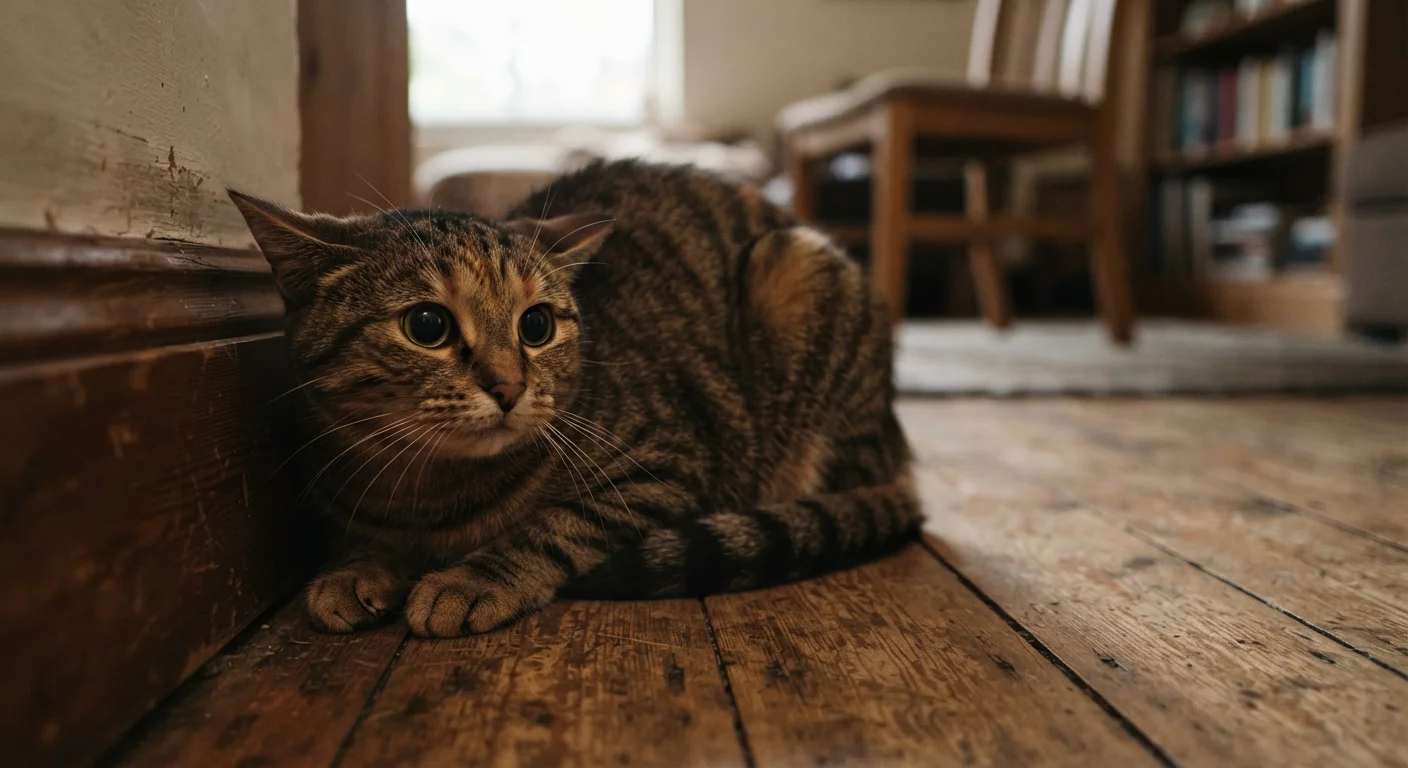
Typical postures include crouching, tucking the tail, flattening the ears, and hissing or spitting. These are defensive signals, not offensive ones. A fearful cat is not trying to dominate; it is trying to survive what it perceives as danger.
Owners can reduce fear aggression by giving the cat control over its environment — providing hiding spots, predictable routines, and gradual, low-pressure introductions to new people or animals. Forcing interaction almost always makes the situation worse. How a cat's living environment shapes its behavior can also influence its baseline stress level and reactivity.
Give Fearful Cats an Escape Route
When introducing a fearful cat to something new — a visitor, another pet, or a carrier — always ensure the cat has a visible path to retreat. Cats that feel cornered are far more likely to escalate to biting. Allowing the cat to approach on its own terms, even if that means staying hidden for hours, builds confidence over time.
Pain-Induced and Overstimulation Aggression
A cat in pain will bite or scratch to protect a sore area — even if the touch is gentle and well-intentioned. Pain aggression often appears suddenly in cats that have been handled without incident for years. Arthritis, dental disease, an injury, or an internal illness can all cause this shift. Any sudden behavioral change in an adult cat warrants a veterinary evaluation.
Equally common is petting-induced overstimulation aggression, sometimes called the "petting and biting syndrome." A cat that was happily being stroked can reach a sensory threshold — particularly around the base of the tail, belly, or whisker area — and respond with a sudden nip. This is not aggression in the traditional sense; it is the cat communicating that enough is enough. Common pet behavior myths include the idea that a purring cat is always comfortable being touched — purring can also occur in stressed or overstimulated cats.
Overstimulation Varies by Individual
Every cat has a different petting tolerance threshold, and it can change depending on mood, health, and the location being touched. Some cats enjoy long petting sessions; others prefer brief, targeted contact. Learning your individual cat's preferences — and respecting them — prevents most overstimulation incidents.
Play Aggression: When Instinct Misfires
Play aggression is most common in young cats and kittens, particularly those raised without littermates. It manifests as stalking, pouncing, biting hands and feet, and ambushing from behind furniture. To the cat, this is completely natural predatory behavior — it simply has the wrong target.
The solution is not punishment, which can increase anxiety and worsen aggression. Instead, redirect the behavior with appropriate toys — wand toys, puzzle feeders, and objects the cat can safely chase and bite. Providing two structured play sessions daily of 10–15 minutes each gives cats an outlet for their hunting drive.
Hands and feet should never be used as play objects, even with kittens. Teaching appropriate play boundaries from an early age prevents habits that become serious problems in adult cats. For context on how territory and instinct interact, see our piece on territorial marking in cats and dogs.
Responding Wisely to an Aggressive Cat
The safest immediate response to most feline aggression is to stop moving, avoid direct eye contact, and give the cat space. Do not attempt to restrain or comfort an aroused cat — this escalates the situation. Slow blinks and a turned profile signal non-threat to cats and can help de-escalate tension.
Long-term, focus on identifying patterns: What precedes the aggression? Are there specific times of day, people, or locations involved? Keeping a brief log can reveal triggers that are easy to modify once identified.
If aggression is frequent, severe, or worsening, consulting a veterinarian is an essential first step. They can rule out medical causes and, if needed, refer you to a veterinary behaviorist — a specialist in animal behavior with clinical training. Never attempt to manage serious aggression through punishment; it erodes trust and reliably makes behavior worse. And while aggression and contentment may seem opposite, understanding both is worthwhile — why cats purr offers useful insight into how cats signal their emotional states.
This article is for general informational purposes only and is not a substitute for professional veterinary or behavioral advice. If your cat's aggression poses a safety risk or appears suddenly, please consult a licensed veterinarian.