
Normal Habits vs. Something More
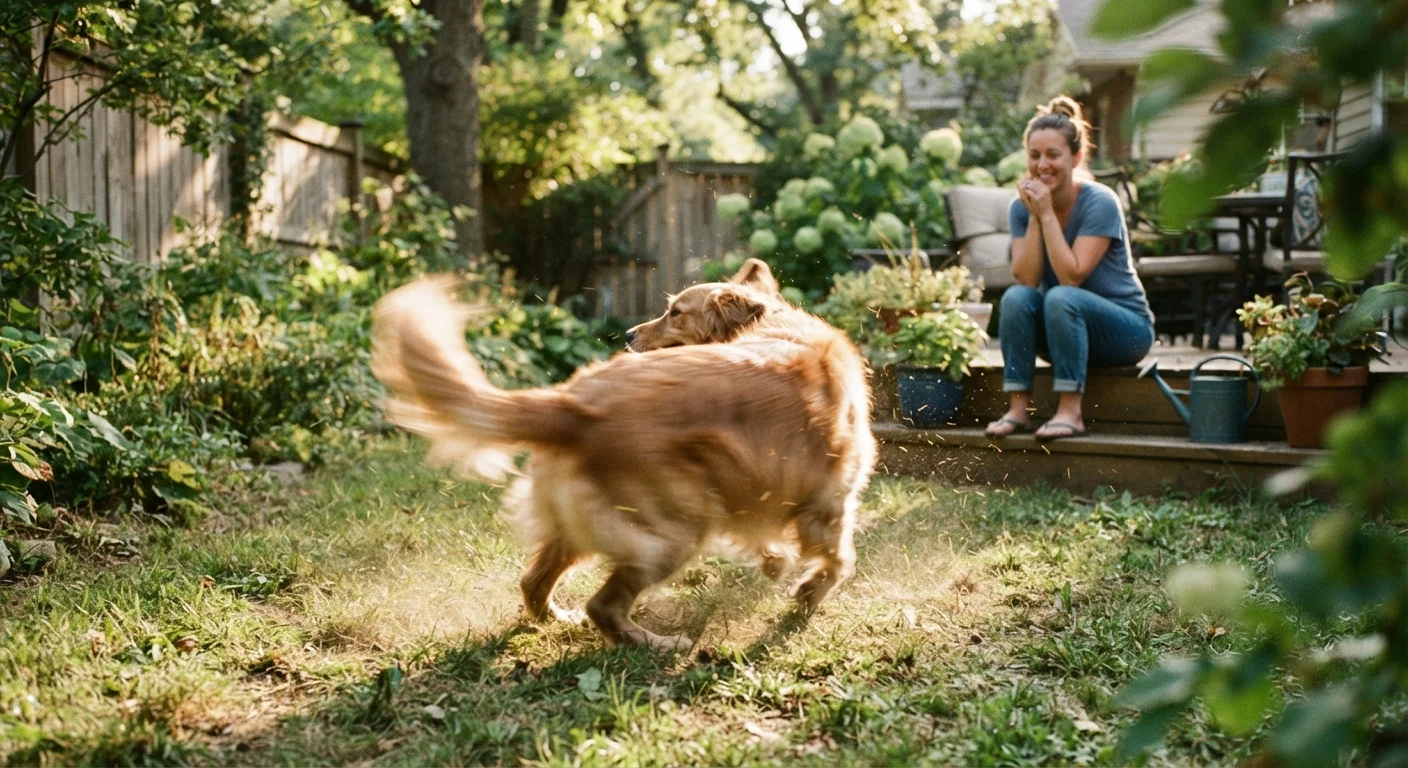
Pets are creatures of routine. A cat that grooms after every meal or a dog that circles before lying down isn't displaying anything unusual — these are predictable, functional behaviours. The concern arises when a behaviour becomes excessive, rigid, and hard to interrupt.
A useful rule of thumb: ask whether the behaviour is proportionate to its context. A dog that sniffs a spot on the floor for a moment is curious. One that sniffs the same patch for 20 minutes, returns to it compulsively, and ignores food or play is showing a different pattern entirely. Similarly, a cat that grooms is healthy; one that licks a patch of skin until it's raw is not.
Frequency, duration, and the pet's ability to be redirected are the three most practical measures owners can apply at home. That said, owners can easily misread what a behaviour actually signals, so a professional perspective is always valuable.
How to Track a Concerning Behaviour
Keep a simple log for one to two weeks noting when the behaviour occurs, how long it lasts, and what happened just before it started. This record is genuinely useful for your vet — patterns around feeding times, solitude, or specific environments can point toward causes that aren't obvious in a single consultation.
Common Repetitive Behaviours and What Drives Them
Repetitive behaviours span a wide range of species and actions. Some of the most frequently reported include:
- Tail chasing or spinning (dogs, particularly Bull Terriers and German Shepherds)
- Excessive licking or self-grooming (cats and dogs)
- Flank sucking or fabric chewing (Dobermans are notably prone)
- Fly snapping — a dog repeatedly snapping at invisible flies
- Pacing or circling in fixed patterns
- Shadow or light chasing
These behaviours typically have roots in natural activities — chasing, grooming, or foraging — that have become detached from their original purpose and are repeated out of context. Stress, confinement, lack of mental stimulation, and genetic predisposition all interact to shape whether a pet develops compulsive patterns. Research has identified specific gene variants linked to compulsive behaviour in some dog breeds, indicating a biological component that goes beyond simple boredom.
It's also important not to overlook boredom as a contributing driver — under-stimulated pets are significantly more likely to develop repetitive outlets.
~2–3%
Estimated prevalence of compulsive disorders in dogs
Veterinary behavioural researchers estimate compulsive disorders affect a small but significant proportion of the domestic dog population, with certain breeds showing much higher rates.
8+ breeds
Dog breeds with documented compulsive behaviour predispositions
Studies have identified breed-specific compulsive patterns, including flank sucking in Dobermans, tail chasing in Bull Terriers, and acral lick dermatitis in Labrador Retrievers.
Up to 70%
Feline over-grooming cases with an underlying medical cause
Research suggests the majority of cats presenting with over-grooming have an underlying dermatological or allergic condition rather than a purely behavioural disorder.
The Role of Anxiety and Environment
Chronic stress is one of the most well-documented contributors to compulsive behaviour. A pet that is regularly exposed to unpredictable environments, social conflict, or prolonged isolation may develop repetitive actions as a self-soothing mechanism. The behaviour provides a form of internal relief that temporarily reduces distress.
This is particularly relevant for dogs that spend long hours alone. Pets experiencing separation anxiety may pace, lick obsessively, or perform stereotyped movements as a response to that stress — and these patterns can persist even when the stressor is removed, because the behaviour has become self-reinforcing.
Environmental factors also include inadvertent reinforcement. If an owner laughs at a tail-chasing puppy or gives it attention, the behaviour may be encouraged before it becomes a problem. This doesn't mean owners are to blame — it simply highlights how behaviour is shaped by feedback loops over time.
Attention Can Accidentally Reinforce Behaviour
Even negative attention — saying 'no,' laughing, or picking a pet up mid-episode — can reinforce a repetitive behaviour by making it reliably produce a response. Where possible and safe, calmly redirect rather than react. A veterinary behaviourist can advise on the right approach for your pet's specific pattern.
When to Seek Professional Help
Any repetitive behaviour that meets the following criteria deserves veterinary attention:
- It occurs multiple times per day or lasts more than a few minutes at a time.
- The pet cannot be easily distracted or redirected away from it.
- It is causing physical damage — hair loss, skin wounds, worn teeth.
- It has been escalating in frequency or intensity over weeks or months.
- It is interfering with normal activities like eating, sleeping, or play.
The first priority is always to rule out a medical cause. Skin allergies, parasites, pain, and neurological conditions can all produce behaviours that appear compulsive but have a purely physical origin. A veterinarian will assess this before any behavioural label is applied.
If medical causes are excluded, a referral to a veterinary behaviourist may be recommended. Treatment typically involves a combination of environmental enrichment, structured behaviour modification, and in some cases, medication. There are no guaranteed outcomes, but early intervention generally leads to better management. It's also worth separating compulsive behaviour from high-energy episodes — the zoomies, for example, are a very different phenomenon and typically not a cause for concern.
This article provides general educational information about pet behaviour and is not a substitute for professional veterinary advice. If you are concerned about your pet's behaviour or health, please consult a licensed veterinarian or veterinary behaviourist.