
Why Symptoms Are the Body's Communication System
Symptoms are not random inconveniences - they are the body's structured way of signaling that something in its internal environment has shifted. Every major organ system has a repertoire of characteristic signals it produces when under stress, disrupted, or fighting off a challenge. Understanding those patterns helps people notice what is genuinely worth watching and what is a normal, transient fluctuation.
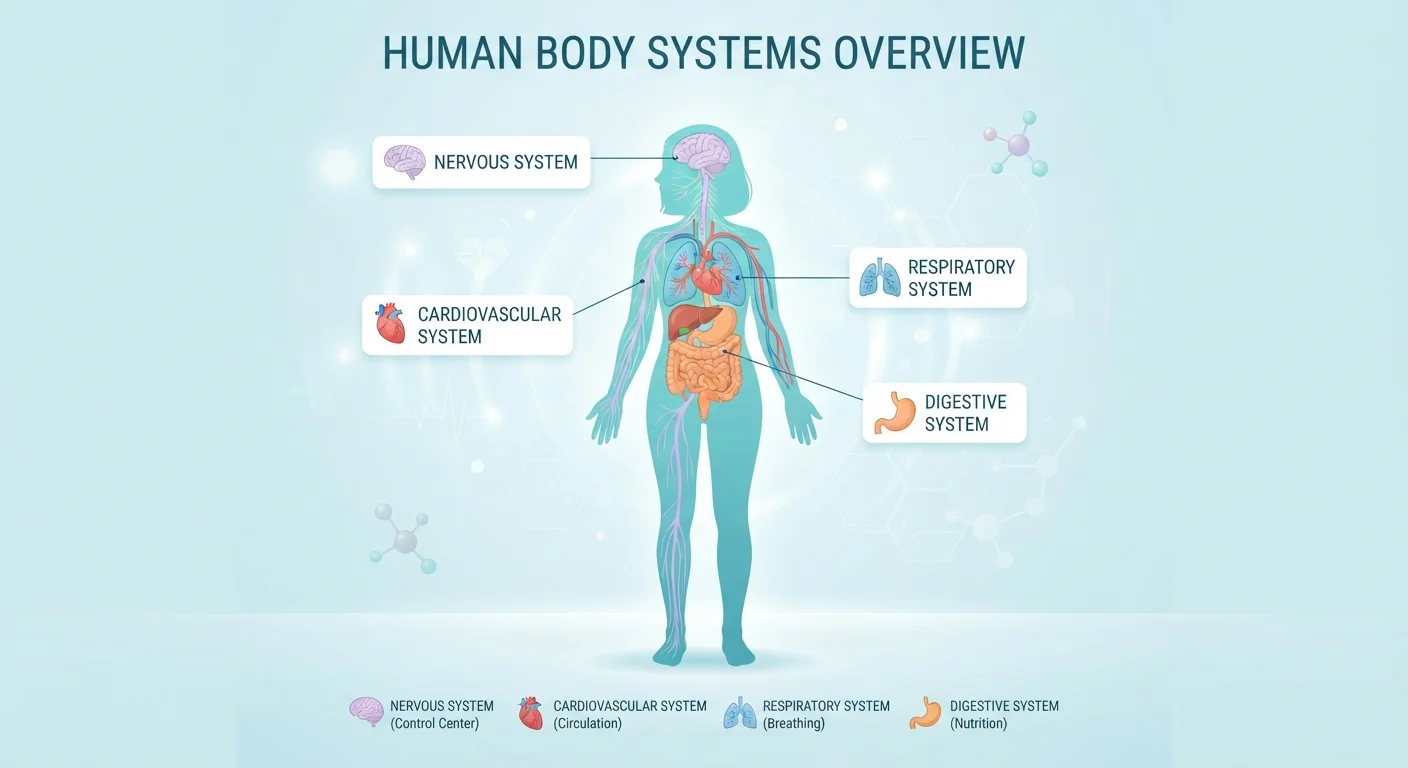
For a grounding overview of how these systems are organized, see our quick-reference guide to the human body. And because no system operates in isolation - the gut talks to the brain, the endocrine system influences immunity - a symptom in one area can originate in another. That interconnectedness is covered in depth in our article on how body systems communicate.
~75%
Adults reporting at least one recurring physical symptom
Population health surveys consistently find that the majority of adults experience at least one recurring physical complaint in any given month.
Top 3
Most common reasons for primary care visits
Fatigue, pain, and gastrointestinal complaints consistently rank among the leading reasons adults seek primary care consultations in the United States.
~40%
Medically unexplained symptoms in outpatient settings
Research published in general practice literature estimates that a substantial proportion of physical symptoms seen in outpatient clinics have no identifiable structural cause.
Digestive System Symptoms
The gastrointestinal (GI) tract - from the mouth to the colon - produces some of the most frequently noticed everyday symptoms. Common ones include bloating, nausea, heartburn, constipation, diarrhea, and abdominal cramping. These signals often reflect changes in gut motility (the speed food moves through the tract), stomach acid levels, or the balance of gut microbiota.
Heartburn, for example, occurs when stomach acid briefly moves into the esophagus - a muscular tube not designed to tolerate acid - causing a burning sensation behind the breastbone. Bloating typically reflects gas accumulation or slowed transit. For a detailed walkthrough of how digestion works, see Digestion from Start to Finish.
It is also worth noting that the gut and brain are in constant two-way communication. Stress, anxiety, and mood states can directly alter GI function - which is why nausea and stomach upset often appear alongside psychological stress. Our overview of the gut-brain connection explores this relationship further.
Track GI Symptoms Before Your Appointment
If you experience recurring digestive symptoms, keep a brief log of when they occur, what you ate beforehand, and how long they last. Even three to five days of notes can help a clinician identify patterns that a verbal description alone may miss.
Cardiovascular and Respiratory Symptoms
The cardiovascular system (heart and blood vessels) and respiratory system (lungs and airways) are closely linked - both serve the body's continuous need for oxygenated blood. Their symptoms frequently overlap.
- Palpitations: An awareness of the heartbeat, often described as fluttering or pounding. Usually benign and triggered by caffeine, dehydration, or stress, though persistent palpitations warrant evaluation.
- Shortness of breath: Can arise from exertion, anxiety, or reduced lung capacity. Sudden or unexplained breathlessness at rest is a signal to seek prompt care.
- Chest tightness: Experienced in both respiratory conditions (such as asthma) and cardiovascular events. Context and accompanying symptoms are critical for understanding what it means.
- Persistent cough: The respiratory tract uses coughing to clear irritants or mucus. A cough lasting more than three weeks is generally considered chronic and worth investigating.
Chest Pain Requires Immediate Evaluation
Chest pain or pressure, especially when accompanied by shortness of breath, sweating, nausea, or pain radiating to the arm or jaw, should be treated as a medical emergency. Do not attempt to self-diagnose these symptoms. Call emergency services immediately. Not all chest discomfort is cardiac, but the risk of delaying care when it is outweighs the inconvenience of an unnecessary visit.
Neurological and Musculoskeletal Symptoms
The nervous system - brain, spinal cord, and peripheral nerves - generates a wide range of symptoms when disrupted. Common neurological signals include headaches, dizziness, tingling or numbness in the limbs, and difficulty concentrating. Headaches are among the most universal human experiences and most often reflect muscle tension, dehydration, or disrupted sleep rather than a structural problem.
Musculoskeletal symptoms - joint pain, muscle stiffness, back discomfort - are similarly widespread. Morning joint stiffness that eases with movement often reflects normal inflammatory processes that accumulate overnight. Stiffness that does not improve, or is accompanied by swelling and warmth, is worth reporting to a clinician.
Some signals that seem purely physical - fatigue, brain fog, recurring headaches - are also heavily influenced by chronic stress. Our article on stress and physical health explains the physiological pathways involved.
When describing a neurological symptom like dizziness, note whether the room seems to spin (vertigo) or whether you feel lightheaded and faint - these are physiologically distinct and guide very different evaluations.
Vertigo typically implicates the inner ear or cerebellum, while lightheadedness more often reflects cardiovascular or blood pressure factors. This distinction alone can significantly narrow a clinical workup.
If you experience recurring muscle stiffness, note the time of day it peaks. Morning stiffness that improves within 30 minutes behaves differently from stiffness that worsens with activity.
The timing and pattern of musculoskeletal symptoms carry diagnostic weight; inflammatory joint conditions often produce prolonged morning stiffness, while mechanical causes tend to worsen with use.
Endocrine, Immune, and Skin Signals
The endocrine system regulates hormones, and hormonal fluctuations produce a broad spectrum of symptoms: fatigue, unexpected weight changes, mood shifts, sensitivity to temperature, and irregular menstrual cycles. Because hormones circulate through the bloodstream and affect nearly every tissue, endocrine symptoms are often diffuse and easy to attribute to other causes. For background on how this system works, see our overview of the endocrine system.
Immune system activity, meanwhile, produces symptoms that are often mistaken for the illness itself. Fever, fatigue, swollen lymph nodes, and general malaise are coordinated immune responses - not random effects of a pathogen. Our article on what the immune system does when you get sick covers this in detail.
The skin - the body's largest organ - reflects internal states visibly. Rashes, hives, dryness, and pallor can signal immune reactions, circulatory changes, or nutritional status. Skin changes that are sudden, spreading, or accompanied by other symptoms are worth professional assessment.
Skin Changes Can Signal Internal Conditions
A new rash, unusual skin discoloration, or sudden hair loss should not automatically be attributed to skincare products or seasonal dryness. Skin is frequently the first visible indicator of immune, endocrine, or circulatory changes. If skin symptoms are widespread, rapidly changing, or accompanied by fever or joint pain, seek medical advice promptly.
When to Seek Medical Attention
Most everyday symptoms resolve on their own and reflect normal physiological variation. But certain patterns consistently indicate that a healthcare provider should be consulted:
- Symptoms that are severe or sudden in onset - especially chest pain, difficulty breathing, sudden severe headache, or loss of consciousness.
- Symptoms that persist beyond expected timeframes - for example, a cough lasting more than three weeks or fatigue that does not improve with rest.
- Symptoms that cluster or progress - multiple simultaneous signals, or a single symptom that is steadily worsening.
- Symptoms that interfere with daily function - pain, dizziness, or cognitive symptoms that prevent normal activity.
When you do consult a professional, how you describe your symptoms matters. Vague or incomplete descriptions can complicate the consultation. See our guide on things people get wrong when describing symptoms to a doctor for practical communication tips. You may also find value in our piece on signals the body sends that people dismiss too quickly.
This article is for general informational and educational purposes only and does not constitute medical advice. Always consult a qualified healthcare professional for concerns about your own health, symptoms, or medical conditions.