
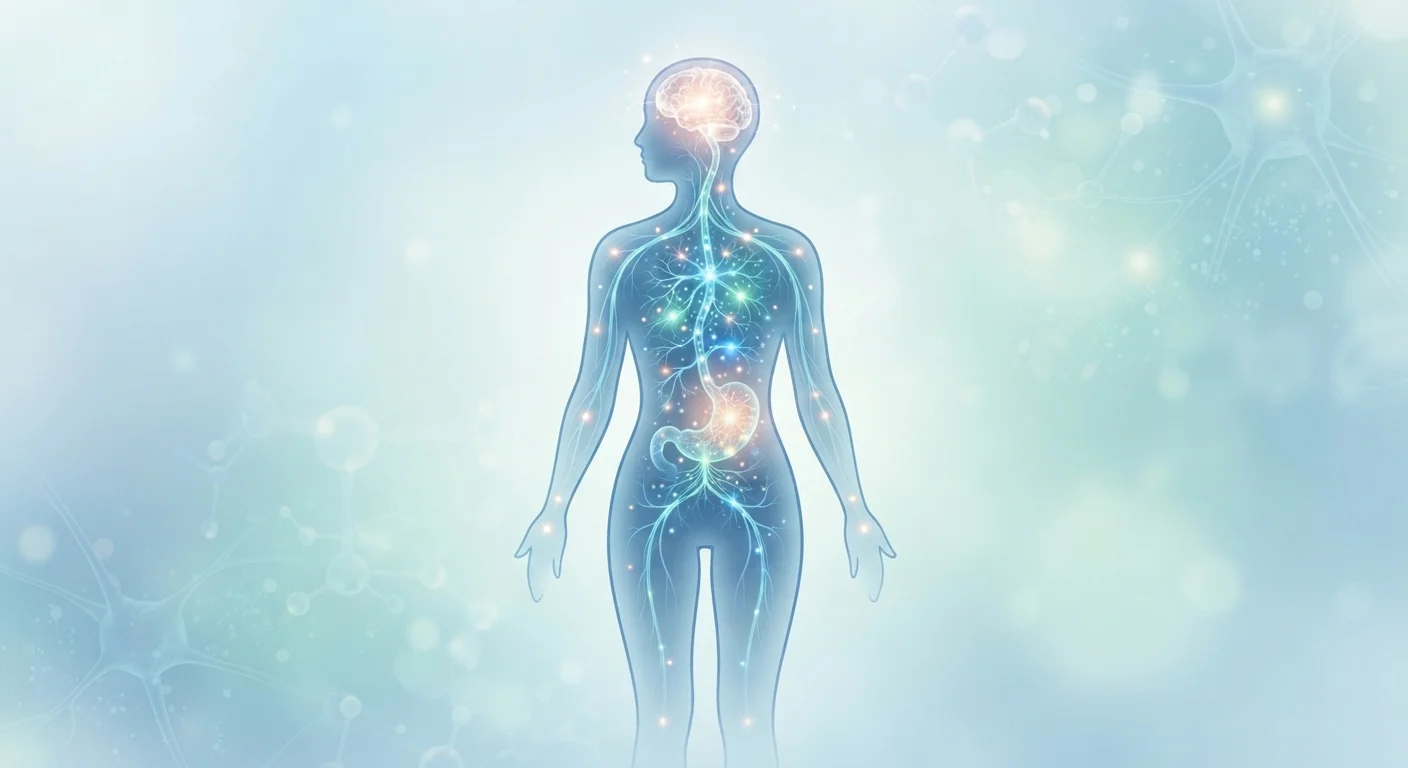
What Is the Gut-Brain Connection?
If you've ever felt butterflies before a big presentation or lost your appetite during a stressful week, you've experienced the gut-brain connection firsthand. This isn't just a figure of speech - it's a genuine, well-documented biological relationship.
Formally, scientists refer to this as the gut-brain axis: a bidirectional communication network linking the central nervous system (your brain and spinal cord) with the enteric nervous system (the 500-million-neuron network embedded in your gastrointestinal tract). The two systems exchange information continuously through nerve signals, hormones, and the immune system.
To understand how the body coordinates these messages, it helps to read our overview of how hormones, nerves, and feedback loops work together. For a closer look at how the digestive system operates on its own terms, see digestion from start to finish.
Gut-brain axis
The bidirectional communication network connecting the brain and the digestive system through nerves, hormones, and immune signals.
Enteric nervous system (ENS)
A network of about 500 million neurons lining the gastrointestinal tract that can regulate digestion independently of the brain, sometimes called the 'second brain.'
Vagus nerve
The longest cranial nerve in the body, serving as the primary physical highway for signals traveling between the brain and the gut.
Microbiome
The vast community of bacteria, fungi, and other microorganisms living in the digestive tract that influences digestion, immunity, and neurotransmitter production.
Serotonin
A chemical messenger involved in mood, sleep, and appetite regulation; the majority of the body's serotonin is produced in the gut.
Neurotransmitter
A chemical that carries signals between nerve cells. Some are produced in the gut as well as the brain and influence both physical and emotional states.
The Vagus Nerve: The Main Communication Highway
The vagus nerve is the longest cranial nerve in the body, running from the brainstem all the way down to the abdomen. It acts as a major two-way cable between the brain and the gut, carrying signals in both directions simultaneously.
Remarkably, research indicates that roughly 80-90% of the fibers in the vagus nerve carry information from the gut to the brain - not the other way around. This means the gut is doing a substantial amount of talking. The brain, in turn, responds by regulating digestion, inflammation, and even emotional processing.
The vagus nerve is a central component of the parasympathetic nervous system, which governs the body's rest-and-digest state. To understand more about how the nervous system sends and receives signals across the body, see your nervous system's two-way street.
Support Your Vagus Nerve With Simple Habits
Activities that engage the parasympathetic nervous system - such as slow, diaphragmatic breathing, gentle exercise, and adequate sleep - can support healthy vagal tone. Good vagal tone is associated with more effective gut-brain communication and a calmer stress response. These are general wellness habits, not treatments for any specific condition.
How Your Gut Affects Your Mood
One of the most striking discoveries in gut-brain research is the gut's role in producing neurotransmitters - chemical messengers traditionally associated with the brain. Approximately 90% of the body's serotonin is manufactured in the gut, not the brain. Serotonin influences mood, sleep, and appetite, and its production in the gut is closely tied to the composition of the gut microbiome: the diverse community of bacteria, fungi, and other microorganisms living in your digestive tract.
When the microbiome is disrupted - by illness, antibiotics, poor diet, or prolonged stress - neurotransmitter production and gut-brain signaling can be affected. Scientists are actively studying how these disruptions relate to mood disorders and cognitive function, though much of this research is still emerging and causal links are not fully established.
The gut also interacts with the endocrine system, which plays its own role in mood and stress regulation. Our article on the endocrine system's chemical messaging network explains how these hormonal signals work alongside gut-brain communication.
How Stress Disrupts Your Gut
The relationship runs in both directions. Just as the gut influences mood, stress and emotional states can produce measurable changes in gut function. When the brain perceives a threat, it triggers the fight-or-flight response, flooding the body with stress hormones like cortisol and adrenaline. These hormones alter gut motility, reduce blood flow to digestive organs, and can change the permeability of the intestinal lining.
The result: nausea, cramping, diarrhea, constipation, or a general sense of digestive discomfort - all real, physiological responses to psychological stress. Over time, chronic stress may contribute to more persistent gut issues. This is a well-recognized mechanism explored in our article on how chronic tension affects the body over time.
Persistent Gut Symptoms Deserve Medical Attention
Digestive symptoms that are frequent, severe, or significantly affecting your quality of life should always be evaluated by a qualified healthcare professional. Stress is one of many possible contributing factors, and a doctor can help identify what's actually going on. Do not rely on general information alone to manage ongoing symptoms.
Everyday Habits That Support Both Systems
While this is an emerging and complex field of research, there are well-supported general habits that appear to benefit both gut function and mental wellbeing simultaneously:
- Eat a varied, fiber-rich diet. Dietary fiber feeds beneficial gut bacteria. Foods like vegetables, legumes, whole grains, and fruits support microbiome diversity.
- Include fermented foods. Yogurt, kefir, kimchi, and similar foods introduce live microorganisms that may contribute to microbiome health, though individual responses vary.
- Prioritize sleep. The gut microbiome follows circadian rhythms; poor sleep can disrupt both microbiome balance and emotional resilience.
- Manage stress actively. Practices such as mindful breathing, regular physical movement, and adequate rest support the parasympathetic nervous system and reduce the frequency of stress-driven gut disruption.
- Limit unnecessary antibiotic use. Antibiotics are sometimes essential and life-saving - but when not medically necessary, they can significantly reduce microbiome diversity. Always follow a healthcare provider's guidance.
If you're noticing ongoing symptoms that cross both digestive and neurological territory, our overview of common symptoms across body systems may help you recognize patterns worth discussing with a doctor.
This article is for general informational and educational purposes only. It is not medical advice and should not be used as a substitute for consultation with a qualified healthcare professional. Always speak with your doctor or another licensed provider about any health concerns, symptoms, or questions about your personal health.
Body Systems Hub
A structured overview of how your major organ systems - including the nervous and digestive systems - work together. A useful starting point for readers who want broader physiological context for the gut-brain connection.
Common Symptoms Across Body Systems
A practical reference mapping everyday symptoms to the body systems they involve, including both digestive and neurological signals - helpful for spotting patterns worth raising with a healthcare provider.