
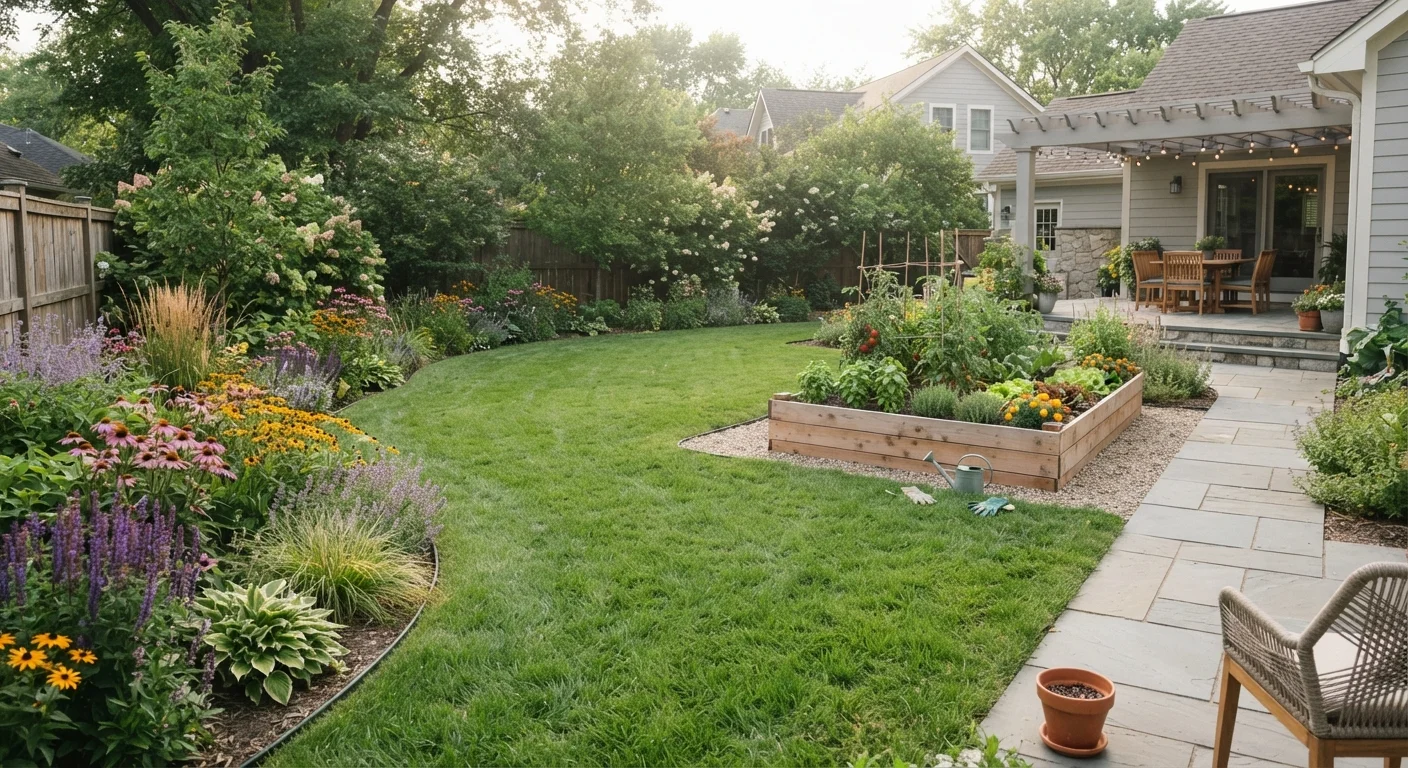
What We Mean by 'Lawn Grass'
A traditional lawn is a cultivated expanse of closely cut grass - typically a single species or blend - maintained at a uniform height. Common varieties in the US include Kentucky bluegrass, Bermuda grass, tall fescue, and zoysia, each suited to different climate zones. Lawns have been a fixture of American residential landscapes for generations, but in recent years their environmental and practical costs have come under closer scrutiny. This article weighs the honest pros and cons so you can make an informed decision about your own yard.
Grass Variety Matters for Your Climate
Not all lawn grasses are equal in their demands. Cool-season grasses like tall fescue and Kentucky bluegrass grow best in northern states and need more water in summer. Warm-season varieties like Bermuda and zoysia are better adapted to the South and Southwest. Choosing a grass species matched to your local climate is one of the most effective ways to reduce water and maintenance needs from the start.
The Case For Keeping a Lawn
Lawn grass offers genuine advantages that are easy to overlook when critiques dominate the conversation.
Cools outdoor surfaces on hot days
Grass transpires moisture, making turf areas noticeably cooler than paved alternatives - a real benefit in warm climates and urban heat islands.
Reduces soil erosion effectively
Dense grass roots bind topsoil and slow water runoff, making lawns particularly useful on slopes or in areas prone to heavy rain.
Provides soft, safe space for recreation
A grassed area is practical for children and pets, offering a cushioned surface that hard landscaping simply cannot replicate.
Predictable, familiar maintenance routine
Once established, a lawn follows a consistent care cycle that most homeowners can manage without specialist knowledge or equipment.
A healthy grass lawn acts as a natural coolant - turf surfaces can be noticeably cooler than concrete or gravel on hot days, which matters in urban neighborhoods with limited shade. Grass roots also hold topsoil in place effectively, reducing runoff during heavy rain and preventing erosion on sloped properties. For families with young children or dogs, a soft, even lawn surface is simply practical.
From a maintenance standpoint, established lawns are fairly forgiving. A single grass species is predictable - you mow, water, and feed on a known schedule, and seasonal care becomes routine. Our year-round maintenance checklist can help you stay on top of those tasks efficiently.
The Case Against Lawn Grass
The criticisms of traditional lawns are grounded in measurable realities, not just gardening trends.
High water consumption, especially in summer
Lawns often need one inch of water per week during the growing season, which adds up significantly in drier climates and during drought conditions.
Monoculture offers little wildlife value
A single-species grass lawn provides minimal food or habitat for pollinators, birds, or beneficial insects compared to diverse plantings.
Ongoing time commitment for mowing and care
Regular mowing, aerating, and patching bare spots throughout the growing season can consume several hours of effort each month.
Fertilizer and pesticide runoff risks
Synthetic inputs used to maintain a lush lawn can leach into groundwater or nearby waterways, affecting local ecosystems over time.
Poor performance in shade or drought
Most grass varieties struggle under dense tree canopy or through extended dry periods, leading to patchy, bare, or yellowed areas that require active intervention.
Water use is the most frequently cited issue. Lawn irrigation accounts for a substantial portion of residential outdoor water consumption across the US, and in drought-prone regions, maintaining green grass through dry summers can strain local water supplies. If your region is prone to dry spells, our guide to making your garden more resilient to drought covers practical alternatives.
Ecological cost is another consideration. A monoculture grass lawn offers very little habitat for pollinators, birds, or beneficial insects compared to a mixed planting. Pesticide and synthetic fertilizer runoff from lawns can also affect waterways and soil health over time.
Finally, lawns require consistent time investment - mowing every one to two weeks during the growing season, aerating annually, and reseeding bare patches. That's not a dealbreaker, but it's worth accounting for honestly. For context on what garden tasks really pay off, see garden myths that waste your time and money.
~30%
Share of US residential water used outdoors
The US Environmental Protection Agency estimates that roughly 30% of household water use is for outdoor purposes, with lawn irrigation making up the largest portion.
40M+ acres
Estimated US lawn coverage
Various environmental researchers have estimated that turf grass covers over 40 million acres across the continental United States, making it one of the most widely cultivated plants in the country.
Middle-Ground Options Worth Considering
The choice doesn't have to be all lawn or no lawn. Many homeowners are finding success with hybrid approaches.
- Shrink the lawn footprint: Keep a smaller grassed area for recreation and replace edges with native ground covers or flowering borders that require far less water and care.
- Overseed with clover: Mixing white clover into your existing grass reduces the need for nitrogen fertilizer (clover fixes its own), attracts pollinators, and stays green longer into dry periods.
- Consider raised beds for productive growing: If you want more from your yard than a green surface, converting a lawn section to productive planting can be very rewarding. Our comparison of raised beds vs. in-ground planting explains what's involved.
Whatever you decide, preparing your garden for winter properly will protect any investment you make in new plantings or lawn renovations.