
Why Garden Myths Stick Around
Gardening advice travels fast - from neighbors, social media, and decades-old books - and much of it gets repeated simply because it sounds logical. If something seems natural or thrifty, it can feel like it must work. The problem is that many of these tips either do nothing or quietly set your garden back.
Understanding where the evidence actually points helps you spend less time on rituals that don't deliver and more time on practices that do. The myth-and-fact pairs below cover some of the most widely repeated gardening misconceptions, along with what research and horticultural experience suggest instead.
Myth
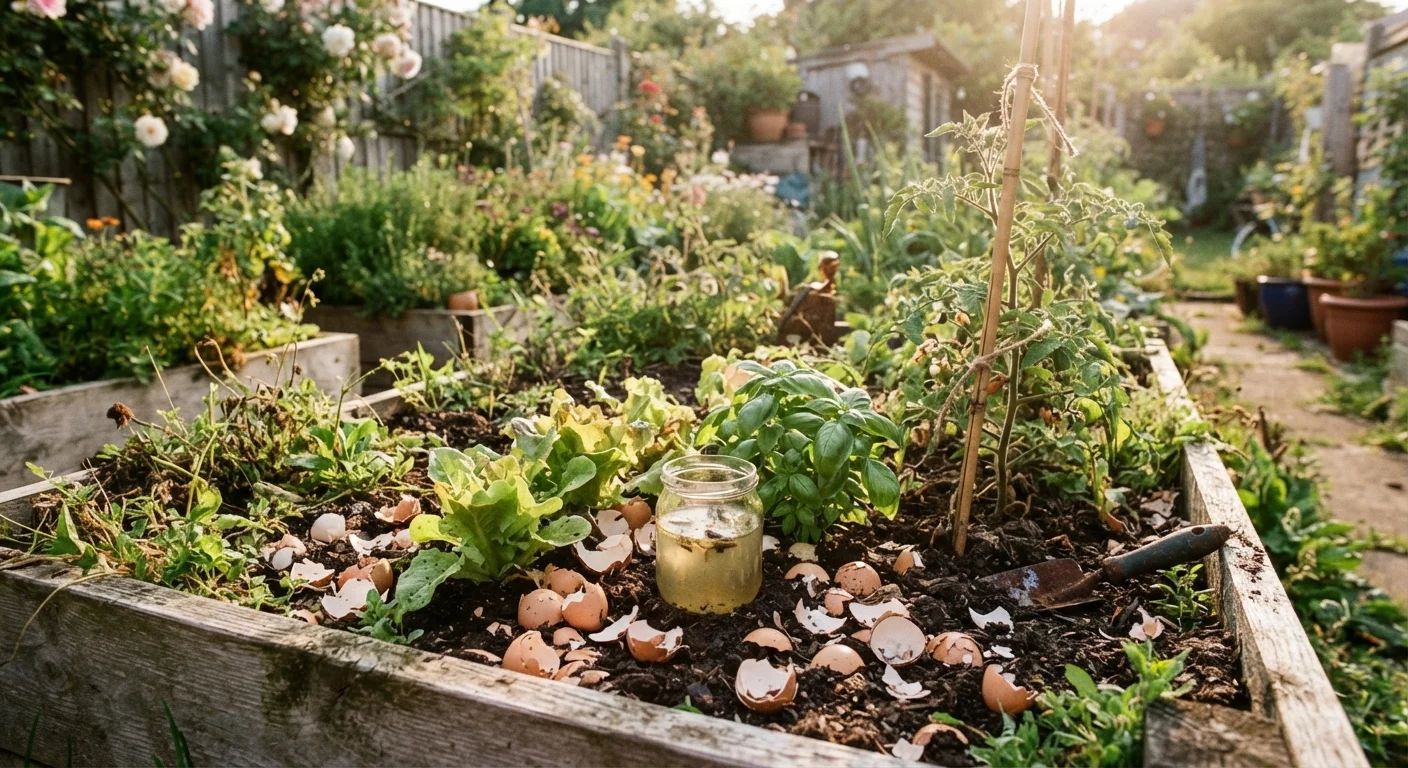
Spreading eggshells around plants keeps slugs away and improves soil calcium.
Fact
Eggshells decompose too slowly to affect soil pH or calcium meaningfully, and slugs cross them without difficulty in typical garden conditions.
The idea is appealing - recycled kitchen waste doing double duty as pest barrier and soil amendment. In practice, eggshells take years to break down enough to release usable calcium, and garden soils in most of the US already have adequate calcium levels. As a slug deterrent, studies observing slug behavior on eggshell barriers have found slugs will readily cross them, especially once the shells flatten or get wet. Composting eggshells is fine, but expecting barrier-level pest control is not realistic.
Myth
A layer of gravel at the bottom of a pot improves drainage.
Fact
A gravel layer actually raises the perched water table inside the pot, keeping the root zone wetter for longer - the opposite of the intended effect.
This is one of the most persistent myths in container gardening. Water moving through soil doesn't simply fall into the gravel and drain away; it resists moving from fine-textured soil into coarser material until the finer layer is saturated. Adding gravel reduces the usable soil volume and creates a zone where roots are more likely to sit in moisture. A correctly sized pot with adequate drainage holes and well-structured potting mix is far more effective than any gravel layer.
Myth
Watering plants in direct sunlight burns the leaves.
Fact
Water droplets on leaves in sunlight do not cause burning - this mechanism has not been supported by controlled research.
The idea that water acts as a magnifying lens on leaves sounds plausible, but experiments testing this under realistic conditions have not produced leaf scorch. That said, watering in the heat of the day is still less efficient because water evaporates quickly from both the soil surface and foliage, reducing how much actually reaches the roots. Early morning watering is genuinely better - but for efficiency and disease prevention (wet foliage overnight can encourage fungal issues), not because midday sun will burn your plants.
Myth
Beer traps are an effective, low-cost way to control slug populations.
Fact
Beer traps may attract more slugs from surrounding areas than they kill, and they require frequent, labor-intensive maintenance to have any measurable impact.
Beer traps do catch and drown slugs, but research on their effectiveness as a control method shows a consistent problem: the fermentation scent draws slugs in from a wider radius, which can increase the slug presence in your garden overall. Traps also need to be checked and emptied regularly - a neglected trap stops working quickly. For gardens with serious slug pressure, iron phosphate-based slug baits (considered lower-risk to wildlife and pets than metaldehyde) or encouraging natural predators like ground beetles and hedgehogs are generally more reliable strategies.
Myth
Native plants don't need watering once they're in the ground.
Fact
Native plants still require regular watering during their establishment period, which typically lasts one to three growing seasons.
Native plants are well-suited to local conditions once established, but "established" is the key phrase. A newly planted native shrub or perennial is working to build a root system from scratch in disturbed soil, and that process requires consistent moisture. Skipping water during the first season - especially in summer - is a common reason native plantings fail. Once roots have spread and deepened over one to several seasons, water needs drop substantially. Until then, treat native plants similarly to non-natives when it comes to watering schedules.
What These Myths Cost You
Beyond wasted effort, gardening myths can mean real money spent on materials that don't work - bags of grit, boxes of eggshells saved for months, or gallons of beer repurposed as pest traps. They can also lead to plant loss when a myth actively harms rather than simply fails to help.
Myths That Can Actively Harm Your Plants
Some myths are simply ineffective - others can set plant health back. Adding gravel to pots, applying undiluted coffee grounds directly to soil (which can inhibit germination in some species), or repeatedly applying lime without a soil test can create real problems. When in doubt, a basic soil test from a local cooperative extension office is a low-cost way to understand what your garden actually needs before adding anything to it.
A more evidence-informed approach starts with your soil. Most garden problems - poor growth, pest pressure, disease - trace back to soil health, drainage, or watering habits rather than the absence of a folk remedy. Our guide to garden watering explains how to read your soil and plants before reaching for any quick fix. And if drought resilience is a concern, making your garden more resilient to drought covers mulching, plant selection, and soil improvement that genuinely hold up under pressure.
It's also worth noting that garden myths are not unique to gardening. Home maintenance carries its own set of expensive misconceptions - from bleach and mold to running hot water with your garbage disposal. The pattern is the same: inherited wisdom that feels right but turns out to be wrong. Skepticism, paired with a willingness to test ideas in your own yard, is one of the most useful tools a gardener can develop.
~90%
Of houseplant deaths attributed to overwatering
Horticultural educators and extension services consistently cite overwatering as the leading cause of container plant death, outpacing underwatering and pest damage.
1-3 seasons
Typical establishment period for native plants
University cooperative extension programs across the US generally recommend consistent supplemental watering for native plantings throughout their first one to three growing seasons.