
Why 'Water Regularly' Isn't Enough Advice
Most gardening guidance tells you to water regularly - but it rarely tells you what that actually means in practice. The result? Many home gardeners either drown their plants with good intentions or underwater them out of uncertainty. Neither extreme is great, and both are easy to avoid once you understand what plants actually need.
The basic target for most garden plants is approximately 1 inch of water per week, counting rainfall. But that figure is a starting point, not a rule. Your soil type, local climate, sun exposure, and the specific plants you're growing all shift the equation. A tomato plant in a sandy, sun-baked bed in Arizona needs water far more often than a shade garden in the Pacific Northwest.
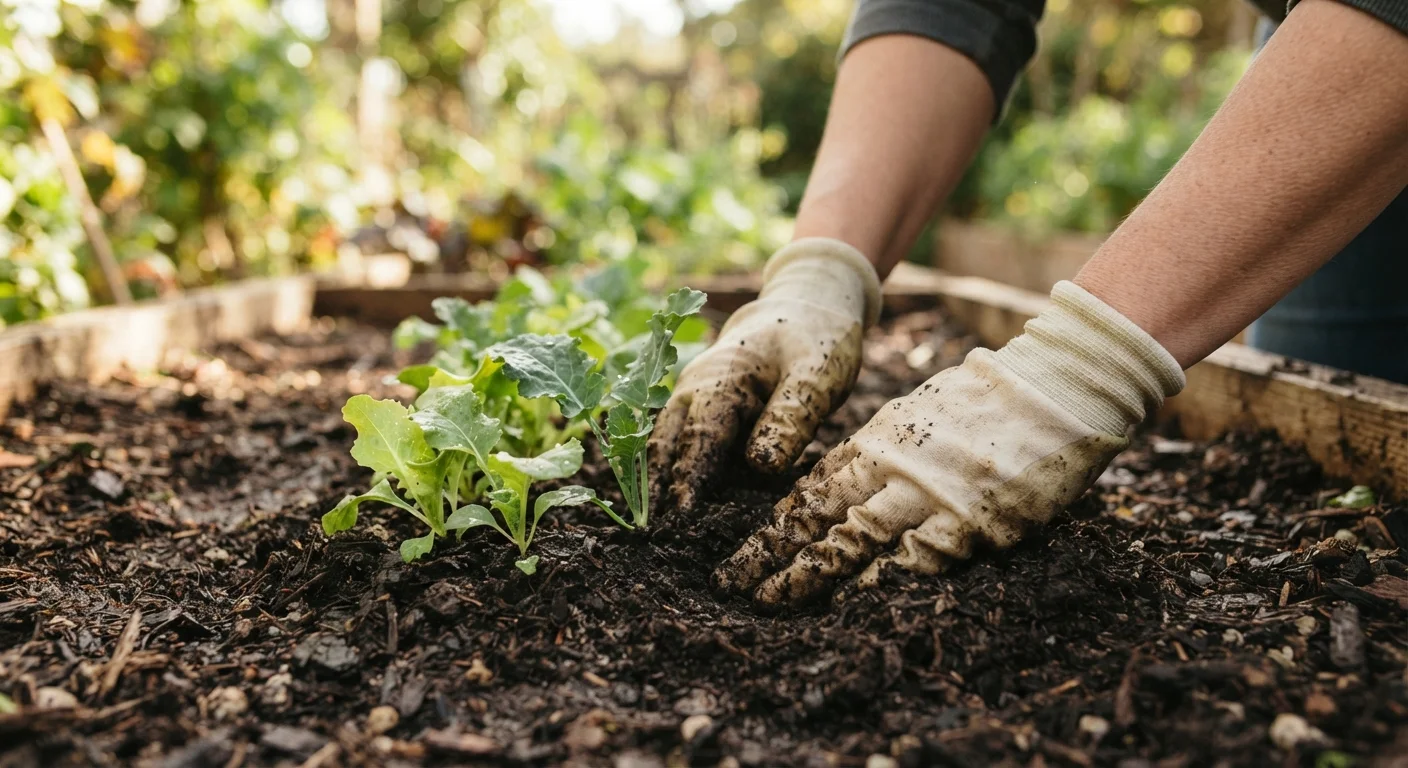
The most reliable tool you have costs nothing: your finger. Press it about 2 inches into the soil near your plants. If it feels dry at that depth, it's time to water. If it still feels moist, wait. This simple check beats any watering schedule because it reflects your actual garden conditions - not a generic recommendation. Common gardening myths often include rigid watering rules that don't account for these real-world variables.
How Soil Type Changes Everything
Understanding your soil is arguably more important than counting watering days. The three main types behave very differently:
- Sandy soil drains quickly, which means water moves past the root zone fast. You'll likely need to water more often - sometimes every 2 to 3 days in warm weather - but in smaller amounts each time.
- Clay soil holds moisture for a long time, which sounds convenient but creates a real risk of waterlogging. Roots sitting in saturated clay can rot within days. Water less frequently and check before you add more.
- Loamy soil is the gardener's gold standard - it drains well but also retains enough moisture for steady plant uptake. It requires the least amount of guesswork.
If you're gardening in raised beds, your soil mix plays a key role too. Raised beds and in-ground plots have different drainage characteristics that affect how you should approach watering.
~1 inch
Water most gardens need per week
A widely cited benchmark in cooperative extension guidance across the US; actual needs vary by plant, soil, and climate.
2-3 inches
Recommended mulch depth to reduce evaporation
University extension programs commonly recommend this depth of organic mulch to help retain soil moisture between waterings.
2 inches
Soil depth for the finger moisture test
Pressing a finger 2 inches into the soil is a standard recommendation from gardening extension educators for gauging when to water.
Reading Your Plants for Watering Cues
Plants signal their needs if you know what to look for. Wilting is the most obvious sign, but it's not always a sign of drought - overwatered plants can wilt too, because waterlogged roots can't deliver moisture effectively. Context matters.
Look for these indicators:
- Dry wilt: Leaves look dull, feel papery, and the soil is visibly dry or cracked at the surface.
- Wet wilt: Leaves droop despite wet soil, often with yellowing at the base or a musty smell near the roots.
- Healthy hydration: Leaves are firm and slightly glossy in the morning; the soil is moist (not wet) 2 inches down.
Established perennials and shrubs generally tolerate dry spells better than annuals or vegetables, which have shallower root systems and need more consistent moisture. Newly planted anything - including transplants and seedlings - needs attentive watering until roots establish, typically for the first few weeks.
The Rain Gauge Trick
Place a simple rain gauge - or even an empty tuna can - in your garden to measure how much water your sprinkler or rainfall actually delivers. Once the can collects about 1 inch of water, you've hit the weekly target. This takes the guesswork out of calibrating any sprinkler or hose routine.
Watering Smarter: Timing, Technique, and Mulch
When and how you water matters as much as how much. A few evidence-backed habits make a real difference:
- Water in the morning. Soil absorbs water before the heat of the day drives evaporation, and foliage has time to dry, which reduces the risk of fungal problems.
- Water at the base, not the leaves. Directing water toward the root zone - where it's actually needed - also keeps leaves drier and less disease-prone.
- Water deeply and less often. A thorough soak every few days encourages roots to grow deeper than a light daily sprinkle. Deeper roots access more moisture and make plants more resilient.
- Use mulch. A 2-3 inch layer of organic mulch around your plants slows evaporation and keeps soil temperature stable. It's one of the highest-impact, lowest-effort things you can do. For more approaches to reducing water needs, see our guide to drought-resilient gardening.
If you're weighing whether a hand watering routine or a drip irrigation setup makes more sense for your garden, comparing both methods can help you decide based on your garden size and schedule.