
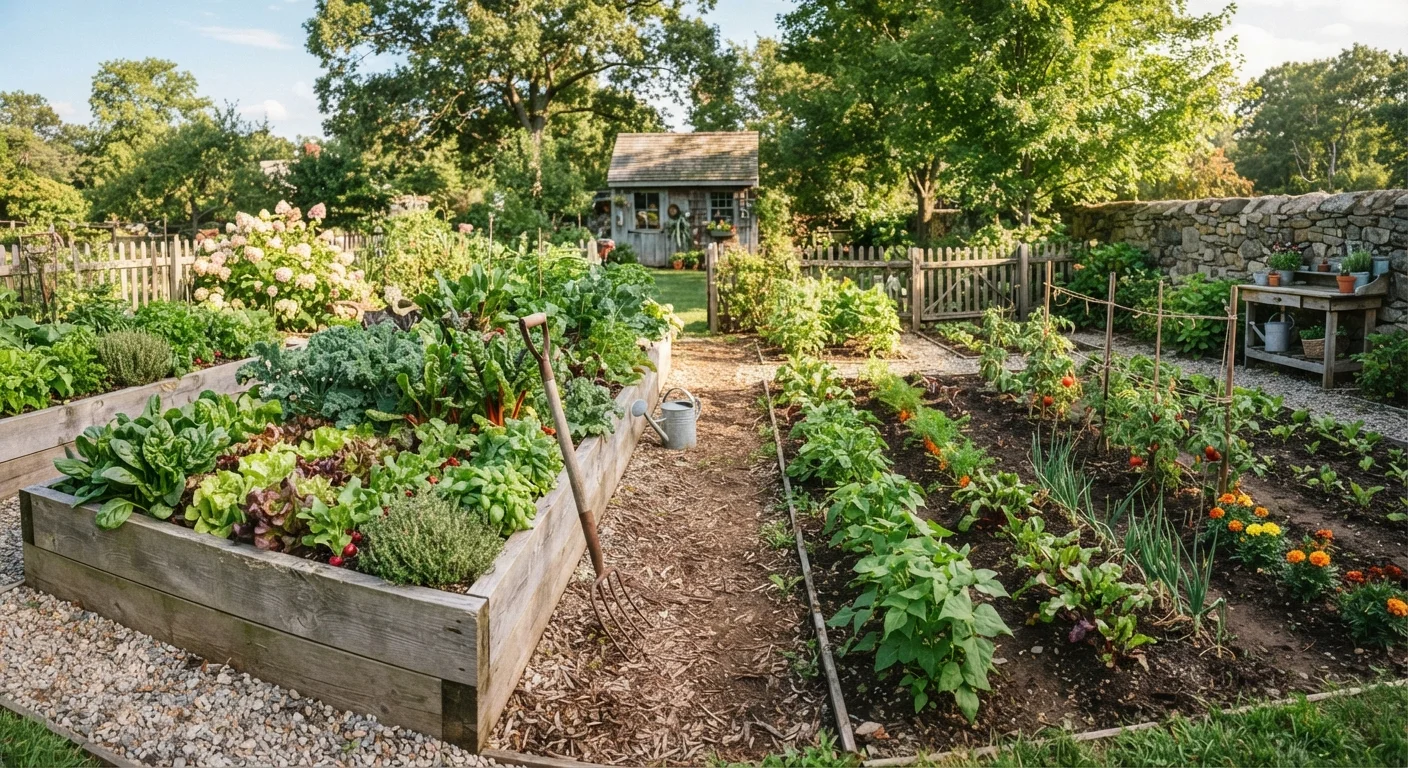
The Core Differences Worth Understanding
Both raised beds and in-ground plots grow the same plants, use the same sunlight, and need the same basic attention. The differences are largely about setup, access, and soil management - not gardening ability. If you're just getting started, our beginner's garden roadmap covers the foundational principles that apply to either approach.
The most important distinction is soil control. In a raised bed, you fill the structure with a mix you choose - typically a blend of topsoil, compost, and other amendments. In-ground planting means working with what's already there, then improving it over time. If your native soil is compacted, heavy clay, or low in nutrients, in-ground gardening requires patience and consistent amendment before plants truly thrive.
| Criterion | Raised Beds | In-Ground Planting |
|---|---|---|
| Upfront cost | Higher (materials + soil mix) | Lower (amendments only) |
| Soil control | Full - you choose the mix | Gradual improvement over time |
| Drainage | Faster draining | Varies with native soil |
| Weed pressure | Lower at the start | Higher, especially early on |
| Spring warm-up | Earlier - extends season | Slower, more stable temperature |
| Scalability | Costly to expand | Easier to scale up |
| Physical accessibility | More comfortable with right height | Requires bending and kneeling |
| Long-term soil improvement | Annual topping up needed | Builds naturally over seasons |
Drainage, Warmth, and Growing Conditions
Raised beds drain more freely than in-ground plots, which benefits most vegetables and herbs that dislike waterlogged roots. In heavy-rain regions or low-lying yards, this advantage is significant. The trade-off: raised beds also dry out faster during dry spells, meaning more frequent watering may be needed. Pairing either method with smart watering habits helps - see our comparison of hand watering versus irrigation systems for practical options.
Raised beds also warm up earlier in spring because the soil mass is smaller and more exposed to air temperature. This can give you a head start on planting by a week or two depending on your climate. In-ground soil retains temperature more steadily, which can be an advantage during unexpected late-season cold snaps.
6-8 inches
Minimum raised bed depth for most vegetables
Most cooperative extension services recommend at least 6 inches of growing medium for shallow-rooted crops, and 12 inches or more for root vegetables.
2-4°F
Average soil temperature advantage in raised beds
Raised bed soil typically warms faster in spring than in-ground soil, according to general horticulture guidance, which can advance planting dates.
3-5 years
Typical timeline to improve poor in-ground soil significantly
Consistent addition of compost and organic matter can transform compacted or depleted soil, though meaningful improvement is usually seen after multiple growing seasons.
Cost, Setup, and Long-Term Maintenance
Building a raised bed involves real upfront costs: lumber or other framing material, hardware, and enough quality growing mix to fill the structure. A single 4×8-foot bed can require 8 to 12 cubic feet of soil mix. Multiply that across several beds and the investment grows quickly. In-ground planting sidesteps that cost but often requires renting or borrowing a tiller, purchasing soil amendments like compost, and more time in preparation. Understanding the role of compost, mulch, and fertiliser is useful for both setups.
Over time, raised beds need periodic topping up as the soil mix settles and breaks down - typically adding a few inches of fresh compost each year. In-ground plots benefit from the same inputs, but the ground naturally replenishes some organic matter as plant matter decomposes. Weed management tends to be easier in raised beds early on, but neither method eliminates weeds entirely.
Choosing Your Raised Bed Material
Untreated cedar and redwood are popular lumber choices because they resist rot naturally without chemical treatment. Avoid wood treated with older preservatives that may leach compounds into soil. Composite lumber, galvanized metal, and food-safe plastics are other options, each with different lifespans and costs. Local extension services or gardening centers can advise on materials suitable for your climate.
What Stays the Same Regardless of Method
Whichever approach you choose, the fundamentals of gardening don't shift. Plants still need adequate sunlight (most vegetables want at least six hours daily), consistent moisture, nutrients, and protection from pests. Soil health is central to both systems - improving it with organic matter remains the single most effective thing any gardener can do, whether the soil is inside a wooden frame or open ground.
Drought resilience strategies apply equally to both. Mulching the surface, choosing appropriate plants for your climate, and grouping moisture-loving plants together all help - our guide to building a drought-resilient garden goes deeper on these tactics. If space is the limiting factor rather than soil type, growing vegetables in a small space offers approaches that complement both raised and in-ground methods.