
Your Paint Is Talking - Are You Listening?
Paint does more than make your home look good. On exterior surfaces especially, it forms a protective layer that keeps moisture, UV rays, and temperature swings from degrading the materials underneath. When that layer starts to fail, it gives off recognizable signals - and ignoring them long enough usually turns a straightforward painting project into a more expensive repair. For a broader look at how overlooked maintenance tasks compound over time, see our guide to the hidden costs of skipping routine upkeep.
The good news: most of these warning signs are easy to spot on a slow walk around your home or a careful look at your interior walls. Below are the clearest indicators that a fresh coat of paint is overdue.
Peeling or Flaking Paint
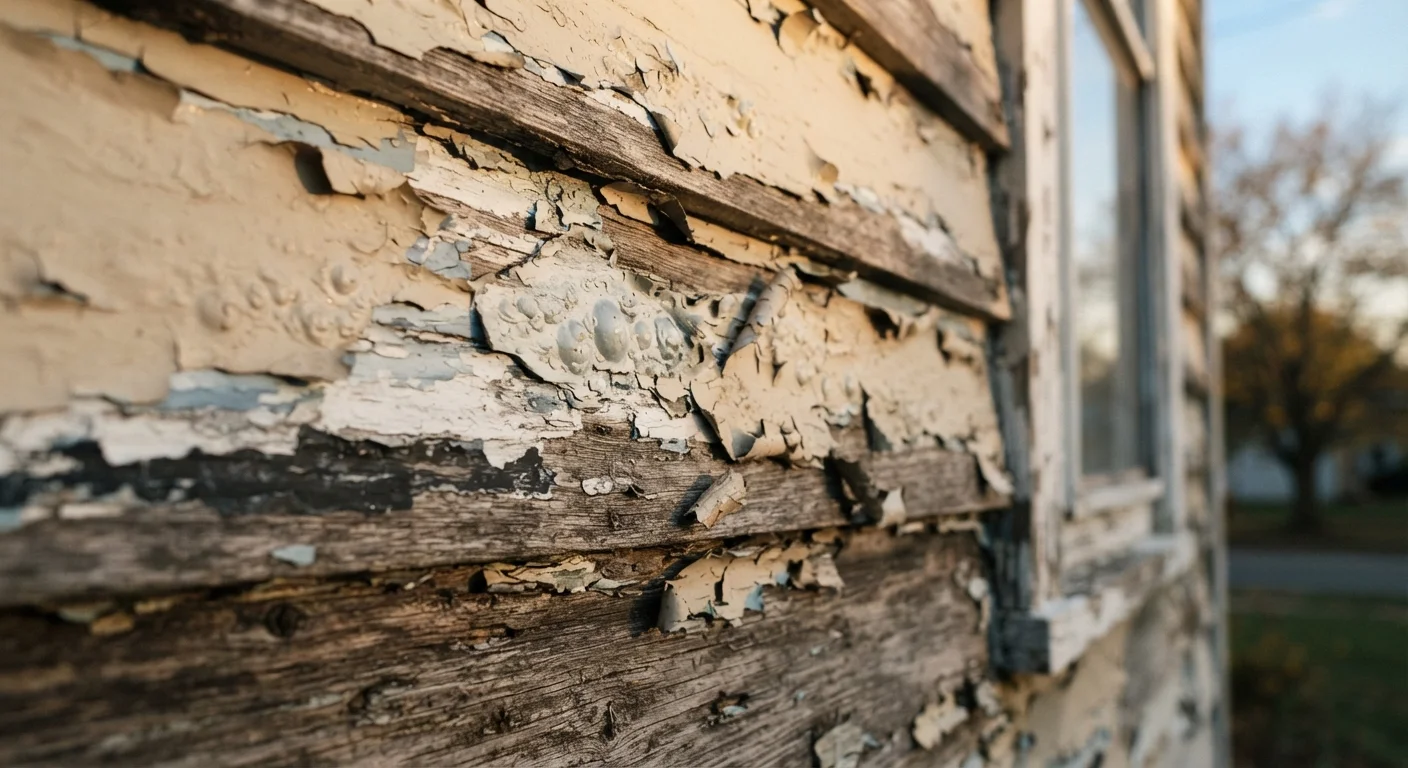
This is the most obvious sign and one of the most urgent. Peeling happens when paint loses adhesion to the surface beneath it - usually because moisture has worked its way in, the surface wasn't properly prepared before the last application, or the paint has simply reached the end of its lifespan. Once paint begins lifting at the edges, water can penetrate more easily, putting the underlying wood or drywall at risk of rot or swelling.
Once paint starts lifting, water can reach the material underneath and cause real structural damage.
Bubbling or Blistering Surfaces
Bubbles or blisters under a paint film almost always point to a moisture problem - either trapped humidity during application or ongoing water intrusion from outside. On exterior walls, this can signal a drainage or caulking issue. On interior walls, it sometimes indicates a plumbing leak behind the surface. Paint can be reapplied, but without fixing the moisture source, the new coat will blister just as quickly.
Bubbles under paint almost always signal a moisture source that must be fixed before repainting.
Chalky or Powdery Residue
Run your hand across an exterior wall and come away with a chalky white powder? That's called chalking - a natural weathering process where UV exposure breaks down the paint's binder and releases pigment particles to the surface. Mild chalking is normal, but heavy chalking means the paint is well past its protective prime. Rain can carry this chalk down the siding and stain surfaces below, and the underlying wall is no longer adequately shielded.
Heavy chalking means the paint's protective binder has broken down and the surface is exposed.
Faded or Uneven Colour
Significant colour fade - especially where the home gets the most sun - is a reliable visual cue that UV rays have degraded the paint film. Beyond aesthetics, faded paint often means reduced resistance to moisture and temperature changes. Uneven fading or patchwork discoloration can also suggest earlier repairs were done with mismatched paint, leaving sections with very different levels of protection.
Heavy UV fade signals reduced moisture resistance, not just a cosmetic issue.
Visible Cracking or Crazing
Hairline cracks in a grid-like pattern - sometimes called alligatoring because it resembles reptile skin - occur when paint loses elasticity over time or was applied over an incompatible coat. As it can no longer flex with temperature changes, it fractures. Small cracks let water in; larger ones can eventually allow enough moisture to damage the substrate beneath. Cracking on interior walls can also indicate settling or humidity fluctuations.
Alligator-pattern cracking means paint has lost flexibility and can no longer protect the surface beneath.
Stains, Mold, or Mildew Showing Through
Dark or discolored patches - especially in bathrooms, basements, or on north-facing exterior walls - can indicate mold or mildew growth. Paint can slow surface mold, but once it appears through the finish, you're likely dealing with more than a cosmetic issue. Similarly, water stains that bleed through paint (yellowish or brown rings) mean moisture has saturated the wall. Both require investigation before repainting, not just a fresh topcoat.
Stains or mold bleeding through paint mean moisture has already reached behind the surface.
Paint That Looks Dingy Despite Cleaning
Interior paint that stays dull, streaky, or grimy even after a thorough wash has likely reached the end of its washability. Lower-sheen paints - matte and flat finishes especially - have limited scrub resistance and simply wear out. If you find yourself repainting patches that look noticeably different from the surrounding wall, or cleaning no longer refreshes the surface, a full repaint will give better, more consistent results than continued spot repairs.
If cleaning no longer refreshes a painted wall, the finish itself has worn out rather than just gotten dirty.
What to Do Once You've Spotted the Signs
Identifying the problem is step one. Before you open a paint can, it's worth understanding what went wrong so you can correct it - not just cover it. If moisture is the culprit behind bubbling or mold, that source needs to be addressed first, or the new paint will fail just as quickly.
Address the Root Cause First
Repainting over a failing surface without fixing the underlying problem - moisture intrusion, poor ventilation, or caulking gaps - guarantees the new coat will fail prematurely too. Before buying paint, inspect the area carefully and resolve any moisture or adhesion issues. This step is especially important on exterior walls, where seasonal weather will test the new finish immediately.
When you're ready to repaint, choosing the right product matters. Exterior and interior paints are formulated differently; using the wrong one accelerates failure. Our article on why swapping interior and exterior paint creates problems explains how their formulas differ. You'll also want to consider finish: understanding paint finish types helps you match sheen level to surface and use. And if you're painting over bare wood, heavily patched drywall, or a dramatically different colour, know when priming is essential before you start. For ongoing home care beyond paint, the Home Maintenance hub is a useful starting point.