
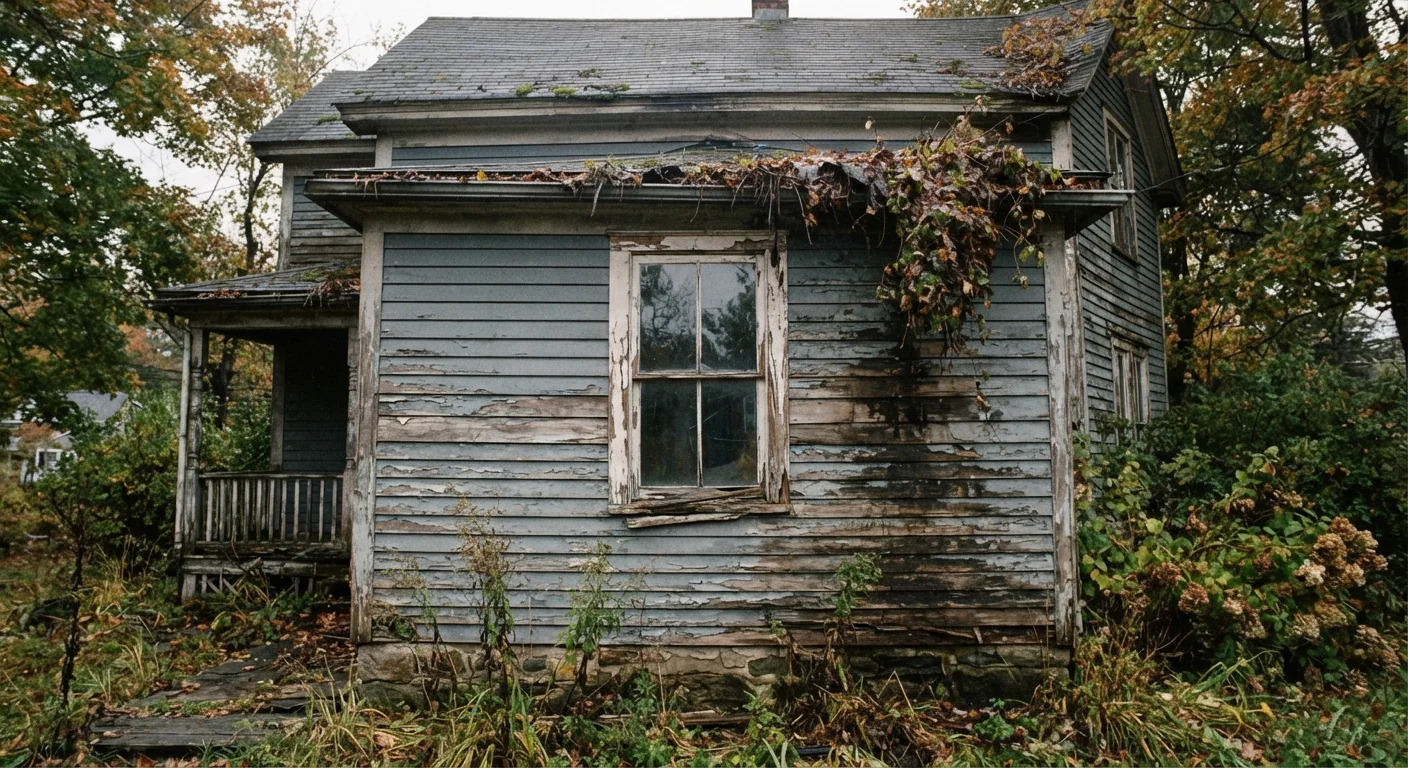
Why Small Maintenance Gaps Become Big Bills
Deferred maintenance is rarely a single dramatic failure. It's usually a quiet accumulation - a clogged gutter here, a degraded door seal there - until one day a ceiling stain appears or a drain backs up completely. Each skipped task carries compounding risk, and the financial consequences almost always grow the longer action is delayed.
Understanding why these mistakes happen is just as important as knowing what to do instead. Most deferred maintenance isn't the result of negligence; it's the result of competing priorities, unclear urgency, and tasks that are genuinely easy to forget. The goal here is to name the most consequential ones so they stay on your radar.
For a structured way to track what needs doing and when, the Seasonal Home Maintenance checklist provides a practical room-by-room framework worth bookmarking.
1%-4%
Of home value recommended annually for maintenance
A widely cited rule of thumb among housing advisors suggests budgeting roughly 1-4% of your home's value each year for routine upkeep and repairs.
~10x
Cost multiplier for deferred water damage repairs
Industry estimates from home inspection and restoration professionals suggest that water damage left unaddressed can cost roughly ten times more to fix than if caught early.
The Most Costly Upkeep Mistakes - and How to Avoid Them
The mistakes below consistently appear in home inspection reports and contractor estimates. They share a common thread: each starts as a low-cost fix and graduates to an expensive repair purely through delay.
Ignoring clogged gutters season after season.
Why it happens: Gutters are out of sight and easy to forget, especially if water seems to be flowing during rain. Many homeowners assume a clog is a nuisance, not a structural risk.
Skipping caulk and weatherstripping replacement around windows and doors.
Why it happens: Caulk degradation is gradual and nearly invisible until gaps are obvious. Homeowners often assume original sealants last indefinitely.
Replacing HVAC filters far less often than recommended.
Why it happens: Filter changes feel like a minor optional chore. Without a set reminder, months pass unnoticed.
Letting minor roof damage go uninspected after storms.
Why it happens: Climbing on a roof feels risky, so homeowners delay. Damage also isn't visible from the ground.
Ignoring slow drains until a full blockage occurs.
Why it happens: A slow drain still works, so the urgency feels low. Homeowners often use chemical drain cleaners repeatedly rather than investigating the underlying cause.
Water Damage Moves Fast
Even a slow, minor leak can cause hidden mold growth, rot structural framing, and damage insulation within weeks. If you spot staining on ceilings, walls, or under sinks, treat it as urgent - not something to monitor. Addressing the source quickly is almost always far less expensive than remediating the damage left behind.
It's also worth questioning assumptions about what's safe to skip. Some widely repeated home maintenance beliefs are simply wrong - the Home Maintenance Myths article walks through several that could be quietly costing you.
Renters are not off the hook here either. While structural repairs typically fall to landlords, tenants are often responsible for reporting problems promptly. Delayed reporting of a slow leak or a failing seal can, in some lease agreements, shift liability. When in doubt, document and notify in writing.
Building a Habit That Sticks
The most effective maintenance approach isn't a single annual blitz - it's a steady rhythm of small, regular checks. Setting calendar reminders for filter changes, gutter clearing, and caulk inspections takes minutes to schedule and prevents the cognitive load of trying to remember everything at once.
HVAC and Electrical Work Requires a Licensed Professional
Tasks like inspecting your electrical panel, repairing gas lines, or servicing central HVAC systems go beyond typical DIY scope. Attempting these without proper licensing can create safety hazards and may void insurance coverage. Always hire a qualified, licensed contractor for regulated or high-risk systems.
Budgeting also matters. Skipped maintenance often reflects financial pressure, not carelessness. Treating upkeep as a non-negotiable household expense - rather than a discretionary one - shifts the framing usefully. The same discipline that protects your home's condition protects your finances; the Everyday Money Tips hub explores practical habits that support that kind of consistent, proactive spending.
If you're planning any improvements alongside routine upkeep, preparation matters as much as execution. The renovation readiness checklist helps ensure you're not compounding deferred maintenance with an under-planned project.
Routine home upkeep isn't glamorous, but it's one of the more reliable ways to protect both the livability of your space and the investment your home represents - whether you own or rent.