
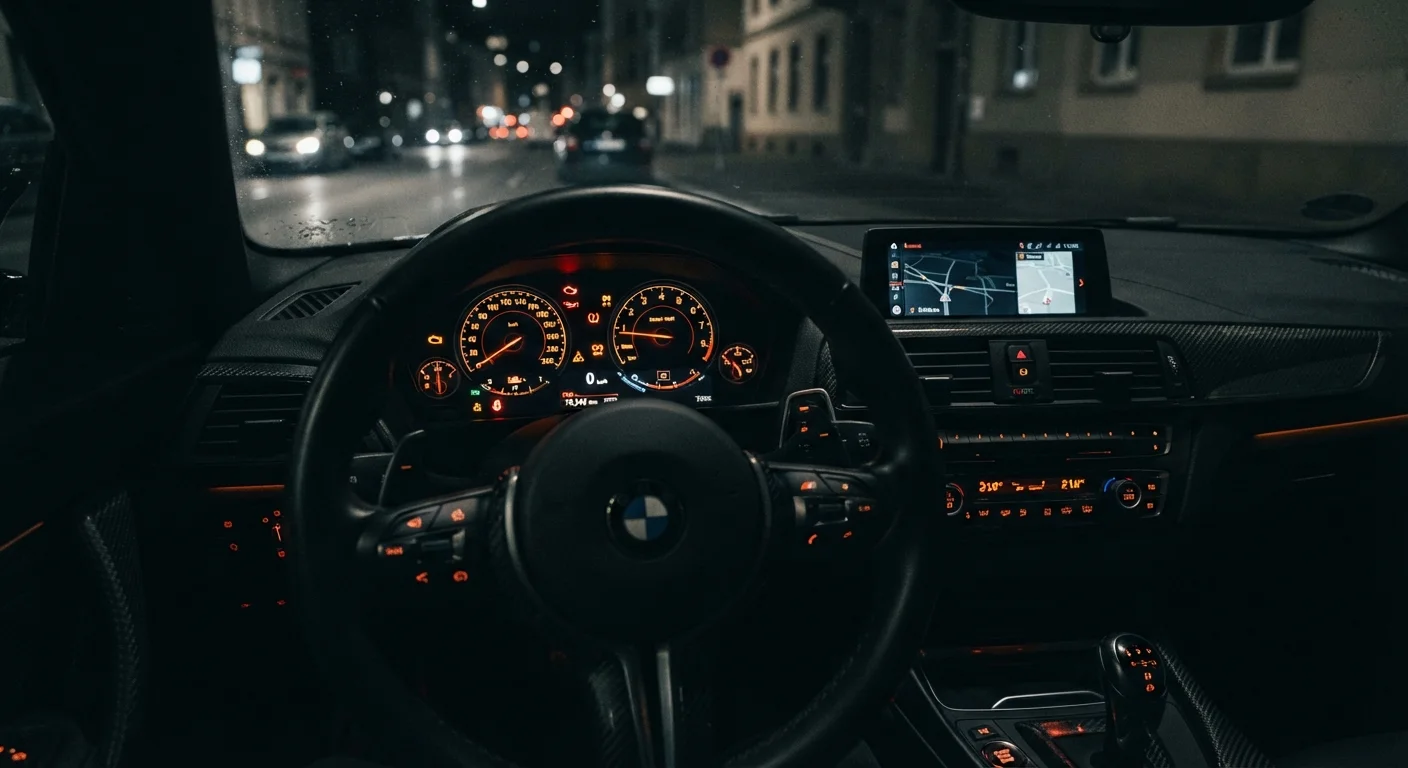
Why Dashboard Warning Lights Exist
Modern vehicles are packed with sensors that constantly monitor dozens of systems - from oil pressure and engine temperature to brake fluid and tire inflation. When something falls outside normal operating range, the vehicle's onboard diagnostic system (OBD) triggers a warning light on your dashboard to alert you.
Think of warning lights as your car's way of speaking to you. The challenge is that many drivers either ignore them entirely or assume the worst without knowing which lights demand immediate action and which can wait until your next service appointment. This guide cuts through the confusion.
Before diving in, one useful habit: pair your dashboard knowledge with a pre-drive safety check so you catch issues before they escalate on the road.
| Number of warning symbols | Most modern vehicles have 50-100+ possible warning lights (Varies by make, model, and trim level) |
| Red light meaning | Urgent - stop or seek immediate service |
| Amber/yellow light meaning | Caution - service needed soon, monitor closely |
| Check engine light causes | Hundreds of possible fault codes (Readable via OBD-II scanner at most auto shops) |
| TPMS threshold (US standard) | Activates when pressure is 25% below recommended PSI (Required on US vehicles manufactured after 2008) |
The Most Common Warning Lights Decoded
Warning lights generally fall into two categories by color: red lights signal urgent problems that may require you to stop driving immediately, while yellow or amber lights indicate something needs attention soon but isn't necessarily an emergency.
Red Lights - Act Immediately
- Oil Pressure Warning (oil can symbol): Low oil pressure can destroy an engine within minutes. Pull over safely, shut off the engine, and check the oil level before proceeding. Do not continue driving until the cause is identified.
- Engine Temperature (thermometer in liquid): Your engine is overheating. Pull over promptly, turn off the engine, and allow it to cool. Check coolant levels only after the engine is fully cool. For more on what coolant does, see identifying car fluids.
- Battery Warning (battery symbol): The charging system has failed. Your car is running on battery power alone and may stall. Head to a mechanic as soon as safely possible.
- Brake Warning Light: Could indicate low brake fluid, a parking brake left on, or a more serious brake system fault. If the parking brake is off and this light is on, treat it seriously - consider brake warning signs as context for what might be happening.
Amber Lights - Service Soon
- Check Engine Light (engine outline): One of the most misunderstood lights. It can mean anything from a loose gas cap to a misfiring cylinder. A mechanic can read the error code with a diagnostic scanner to pinpoint the cause.
- TPMS (tire with exclamation mark): Tire Pressure Monitoring System alert. One or more tires are significantly under-inflated. Check pressure at your next opportunity - tire pressure basics explains how to do it correctly.
- Traction Control / Stability Control: When flashing, it means the system is actively working to prevent wheel slip - this is normal on slippery roads. A steady light means the system is off or has a fault.
- Service Required / Wrench Symbol: A scheduled maintenance reminder, typically for an oil change or inspection. Not an emergency, but don't ignore it indefinitely.
OBD (Onboard Diagnostics)
A standardized system built into vehicles since 1996 that monitors engine and emissions performance. When a fault is detected, it stores a diagnostic trouble code (DTC) and triggers a warning light.
TPMS
Tire Pressure Monitoring System. A sensor-based system that alerts the driver when one or more tires drops significantly below the recommended inflation pressure.
Oil Pressure
The force at which engine oil is circulated through the engine. Inadequate oil pressure means moving parts are not being lubricated, which can cause rapid and severe engine damage.
Charging System
The combination of the alternator and battery that powers a vehicle's electrical systems while the engine runs. A failing charging system means the battery is draining without being replenished.
Traction Control System (TCS)
An active safety system that detects and reduces wheel spin during acceleration, particularly on slippery surfaces, by limiting engine power or applying brake pressure to individual wheels.
When to Pull Over Immediately vs. Drive to a Shop
Not every warning light is equal. Use this simple rule of thumb:
- Pull over immediately if you see a red warning light, notice smoke, smell burning, hear unusual noises, or feel changes in steering or braking. Continuing to drive risks serious engine or safety-system damage.
- Drive carefully to a mechanic if an amber light appears without any accompanying symptoms. Monitor the situation and schedule service promptly - within a day or two.
- Check your owner's manual if you see an unfamiliar symbol. Every vehicle is different, and your manual contains the definitive guide to your specific car's warning system.
Your Owner's Manual Is the Final Word
Warning light symbols are not fully standardized across all manufacturers. A symbol that means one thing on a Honda may differ slightly on a Ford or Toyota. Your vehicle's owner's manual - often available as a free PDF download from the manufacturer's website - contains the definitive key to every light on your specific dashboard. Keep a digital or physical copy accessible.
For situations where a light appears during low-visibility conditions - like at night - the added stress of reduced sight lines compounds the challenge. Our guide on night driving risks covers how to handle unexpected situations after dark.