
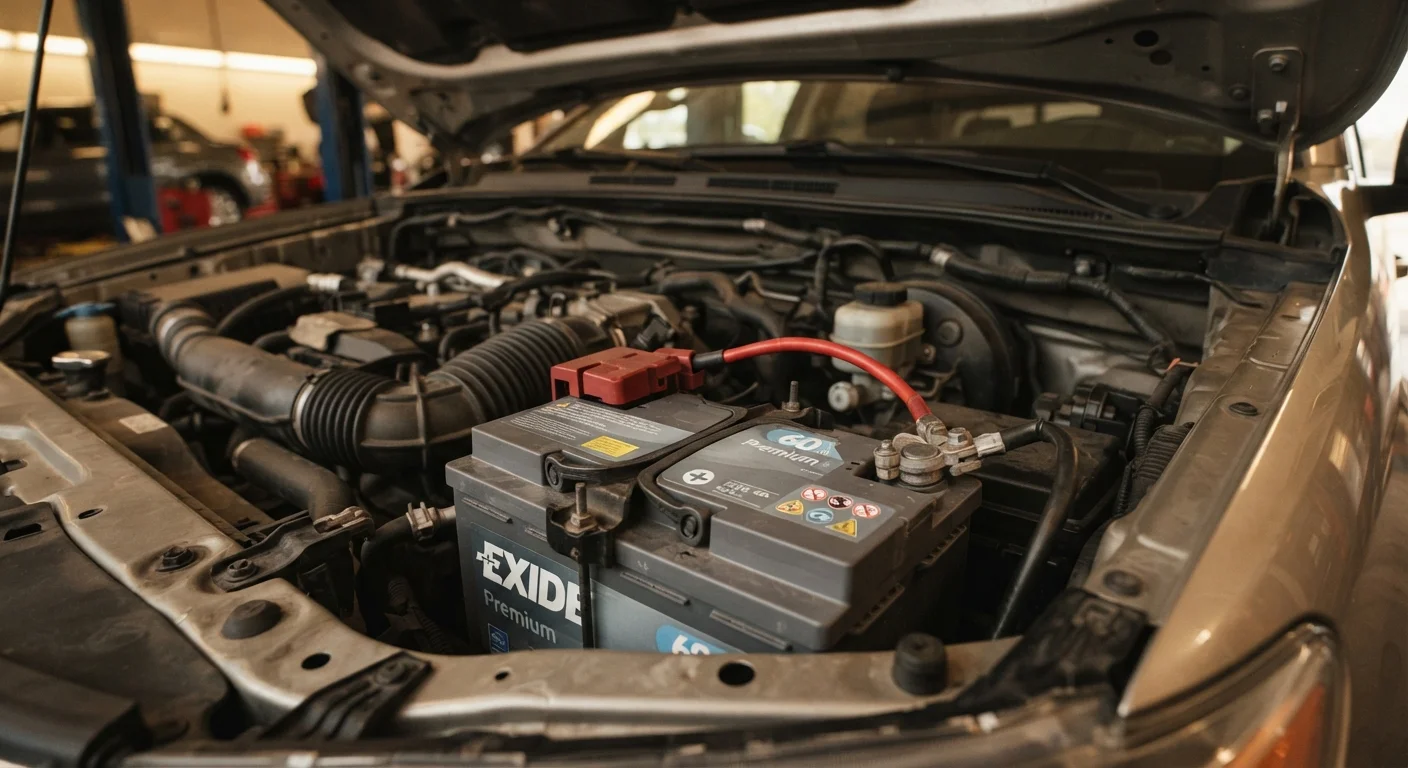
How Your Car Battery Actually Works
Your car battery is a 12-volt lead-acid unit (in most conventional vehicles) that stores chemical energy and converts it to electrical energy on demand. Its primary job is to deliver a powerful burst of electricity to the starter motor, cranking the engine to life. Once the engine is running, the alternator - a generator driven by the engine - takes over, powering the car's electronics and simultaneously recharging the battery.
Understanding this handoff is key. The battery isn't meant to run your car continuously; it's meant to start it. When the alternator can't keep up, or when you draw power without the engine running, the battery shoulders the full load - and that's when problems start. For a deeper look at how these two components work together, see how the alternator supports your battery.
What Drains and Damages a Car Battery
Several common habits and conditions quietly shorten battery life. Knowing them puts you ahead of most drivers.
3-5 years
Typical car battery lifespan
Most automotive sources and battery manufacturers cite three to five years as the average service life under normal driving conditions in the US.
~50%
Capacity lost in extreme cold
At 0°F (−18°C), a fully charged lead-acid battery may deliver only around half its rated capacity, according to general battery engineering data.
- Parasitic drain: Even when your car is off, certain systems - clocks, alarm modules, onboard computers - draw a small, continuous current. A faulty module or aftermarket accessory can turn that trickle into a flood, depleting the battery overnight.
- Lights and accessories left on: Interior lights, headlights, or a phone charger left plugged in with the engine off are classic culprits. A fully charged battery can go flat in as little as a few hours under load.
- Extreme temperatures: Heat accelerates internal chemical reactions, causing faster self-discharge and plate corrosion. Cold thickens engine oil and demands more cranking power, stressing an already weakened battery. Winter and summer both take a toll - something worth folding into your seasonal car maintenance checklist.
- Short, infrequent trips: Every engine start draws a significant charge. A trip of less than 10-15 minutes may not give the alternator enough time to fully replenish what was used. Frequent short trips add up to a chronically undercharged battery.
- Age and sulfation: Over time, lead sulfate crystals build up on battery plates, reducing capacity. This process - called sulfation - is natural but accelerates when a battery is repeatedly discharged and left uncharged.
Best Practices to Extend Battery Life
A few consistent habits make a measurable difference in how long your battery lasts.
Check battery terminals every six months for corrosion and clean them promptly.
Corrosion - the white or bluish powder that builds up around terminals - increases electrical resistance, making it harder for current to flow in or out. Left unchecked, it can prevent the car from starting entirely.
Use a trickle charger or battery maintainer if the vehicle sits unused for more than two weeks.
A battery naturally self-discharges over time, even with nothing connected. Allowing it to sit in a deeply discharged state accelerates sulfation and shortens its usable life significantly.
Always double-check that all lights and accessories are off before leaving the vehicle.
Interior dome lights, trunk lights, and even a USB charger can drain a battery flat within hours. Developing a quick walk-around habit before locking up takes seconds and prevents dead-battery surprises.
Take a longer drive periodically if you mainly use your car for short trips.
Short trips don't give the alternator enough running time to fully recharge the battery. A sustained 20-30 minute highway drive allows the charging system to top the battery off properly.
Have the battery tested at least once a year, especially after three years of use.
Battery capacity degrades gradually and isn't always obvious until failure. A load test - available free at many auto parts stores and service centers - measures actual capacity rather than just voltage, giving a true picture of battery health.
Warning Signs Your Battery Is Failing
Catching a weak battery early prevents being stranded. Watch for these indicators:
When to See a Mechanic
If your battery warning light comes on, or you notice any swelling or leaking around the battery case, stop driving and have the vehicle inspected by a qualified mechanic as soon as possible. Attempting to handle a damaged or leaking battery without proper training and protective equipment can be hazardous. Battery acid is corrosive and requires careful handling.
- Slow engine crank: If the engine turns over sluggishly before starting, the battery may not be delivering full voltage.
- Dashboard warning light: A battery-shaped icon or a charging system light signals something is off - either the battery or alternator needs attention.
- Swollen or misshapen battery case: Excessive heat can cause the casing to bulge. This is a sign the battery should be inspected by a mechanic promptly.
- Frequent jump-starts needed: Needing a jump-start more than once is a clear signal the battery isn't holding a charge. If you do find yourself in this situation, jump-starting safely and in the correct cable order is essential to avoid electrical damage.
If you're new to monitoring your vehicle's health overall, the first-timer's guide to car maintenance covers what to watch for across all the key systems.
“The battery is one of the most neglected components in a vehicle, yet it's the one most likely to leave you stranded. A simple annual test is cheap insurance against an inconvenient failure.”
— Cars Explained Editorial Team, Automotive education writers