
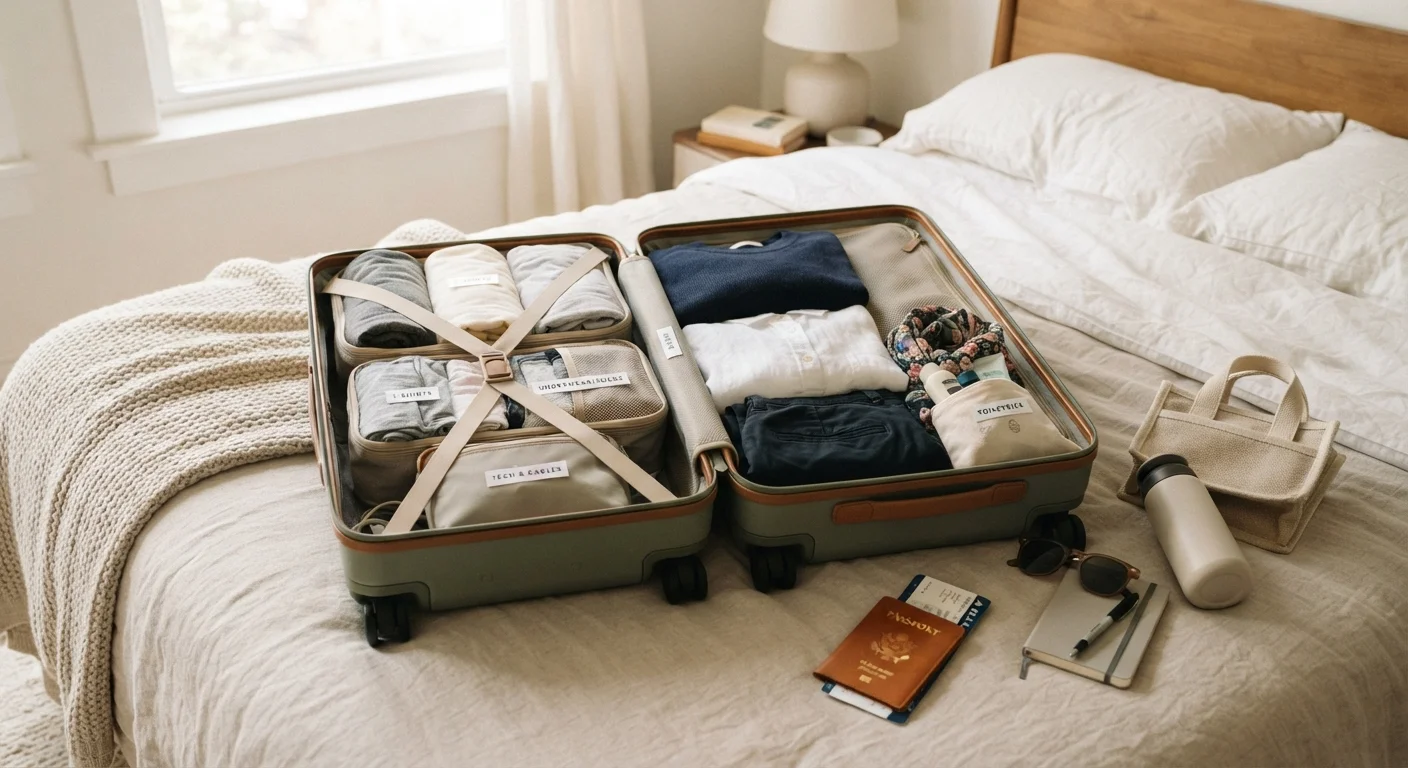
Why a Packing Strategy Matters
Most packing mistakes don't happen in the bag — they happen before a single item is placed inside. Without a deliberate approach, travelers tend to over-pack for unlikely scenarios and under-pack for daily realities. The result is a bag that's heavy, disorganized, and still somehow missing something critical.
A structured packing approach reduces that friction significantly. It's worth noting that your packing decisions interact directly with how your trip is planned. If you've mapped out your daily itinerary, you'll know exactly which activities, climates, and dress codes you're packing for — making every item easier to justify or cut.
The practices below apply regardless of whether you're taking a three-day domestic trip or a two-week international journey.
Core Packing Practices
These principles are grounded in what experienced travelers consistently apply across different trip types and destinations.
Build your list from your itinerary, not from habit
Packing from memory or routine leads to carrying items suited to a generic trip rather than the one you're actually taking. Matching each item to a planned activity forces intentionality and exposes gaps early.
Choose clothing that works across multiple occasions
Versatile pieces — neutral colors, packable fabrics, items that can be dressed up or down — multiply outfit combinations without adding weight. This is the single most effective way to reduce bag size.
Use the layering system instead of packing for worst-case weather
Packing a heavy jacket for a single cold evening wastes significant space. Layering — a moisture-wicking base, an insulating mid-layer, and a packable outer shell — covers a wide temperature range with less bulk.
Always pack critical items in your carry-on
Checked baggage, while convenient, can be delayed or temporarily misrouted — particularly on itineraries with tight connections or multiple transfers. Medications, travel documents, chargers, and a day's worth of clothing should always travel with you in the cabin.
Cut your initial list by at least 20% before packing
First-draft packing lists almost always contain redundant or precautionary items that won't be used. A deliberate reduction step trains you to distinguish between what you might want and what you will actually need.
Quick Wins Before You Zip Up
Before you close your bag, a few fast checks can prevent the most common packing regrets.
For a broader pre-departure review — covering documents, bookings, and home arrangements — see our pre-trip checklist.
Thinking About Carry-On vs. Checked Luggage
One of the most consequential packing decisions is where your items actually travel. What goes in the cabin with you versus what goes in the hold affects both convenience and risk. Checked bags can be delayed or misrouted — and the factors that raise that risk are worth understanding before you pack.
Pack Essentials as If Your Checked Bag Won't Arrive
Even with a low probability of loss or delay, it's practical to treat your carry-on as a 24-hour survival kit. Include at minimum: any prescription medication, a change of clothes, your phone charger, and copies of key travel documents. This habit costs almost no extra effort and eliminates a major source of travel stress if something does go wrong.
For a detailed breakdown of size limits, restrictions, and fee considerations, our guide on carry-on vs. checked luggage covers the full picture. If you're moving through security, what's inside your bag also affects how quickly you get through — see common security slowdowns to stay ahead of them.