
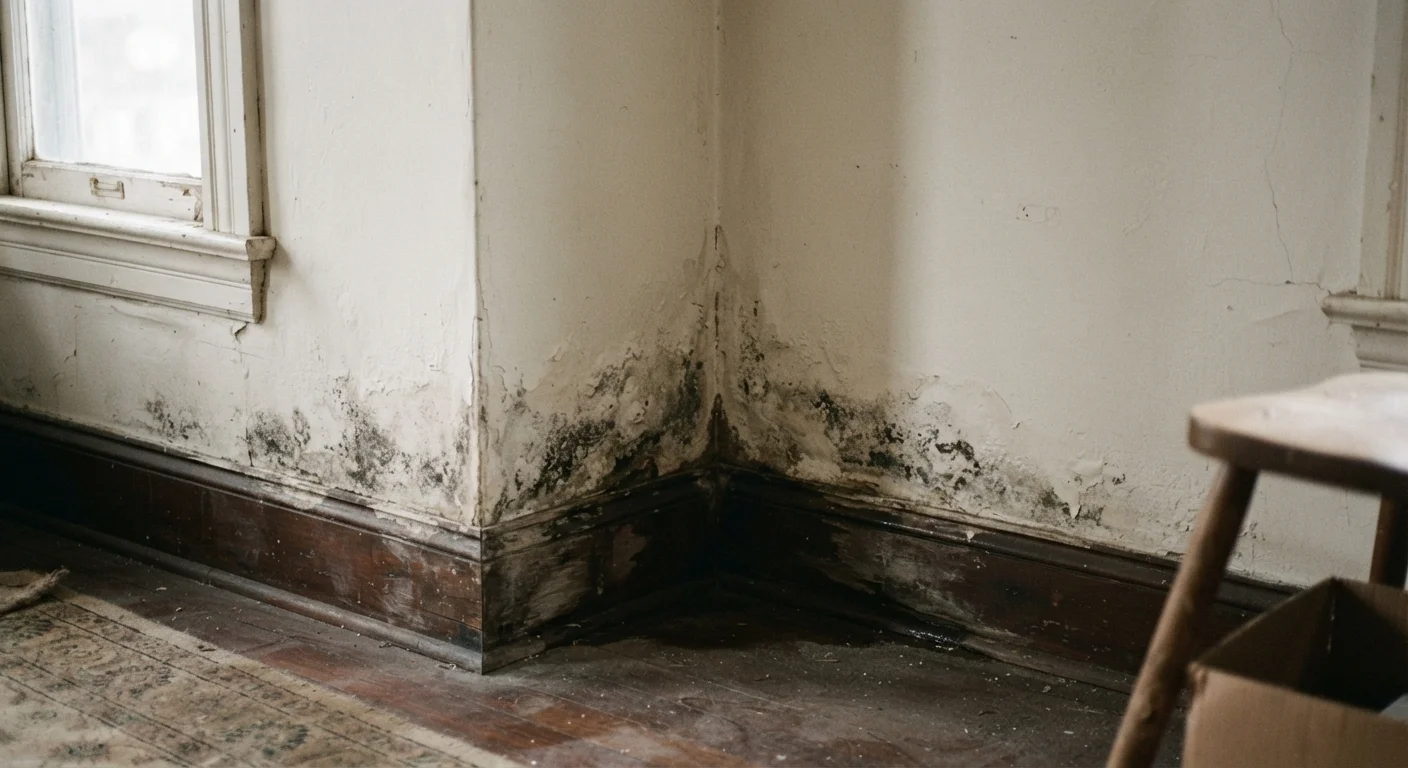
Why Identifying the Type of Damp Matters
Damp is one of the most common complaints homeowners and renters deal with - yet it is also one of the most misdiagnosed. Applying the wrong treatment wastes money and can even accelerate damage. A waterproof paint applied over rising damp, for instance, simply forces moisture to find another path through the wall. Understanding what you are actually dealing with is the essential first step.
The three main types - rising damp, penetrating damp, and condensation - look similar on the surface but originate from completely different sources. Getting the diagnosis right means you can address the root cause rather than mask the symptom. If you are new to home maintenance, the broader context in our guide for first-time homeowners is a helpful starting point.
Damp and Health: A General Note
This article covers the structural causes of damp and general mitigation approaches. It does not constitute health advice. If you or household members experience respiratory symptoms that you believe may be related to mold or damp, please consult a qualified healthcare professional for guidance specific to your circumstances.
Rising Damp: Moisture Moving Up From the Ground
Rising damp occurs when groundwater is drawn upward through the pores in masonry - bricks, stone, or mortar - by a process called capillary action. Think of it like a paper towel absorbing water from a wet surface. Modern homes have a damp-proof course (DPC) - a horizontal barrier of impermeable material built into the base of exterior walls - that interrupts this upward travel. Rising damp typically means this barrier is absent, damaged, or has been bridged.
Key signs include:
- A horizontal tidemark stain, usually below one meter from floor level
- White crystalline deposits (efflorescence) on the wall surface - mineral salts left behind as water evaporates
- Peeling or bubbling wallpaper and paint at low level
- Damage confined to ground-floor walls only
Because rising damp is a structural issue, it almost always requires a qualified surveyor or damp specialist to confirm the diagnosis and recommend repair - which may include installing a new DPC or remedying a DPC bridge (such as soil piled against an exterior wall above the DPC line).
1 in 5
UK homes affected by damp or mold
Figures cited in UK government housing condition surveys suggest roughly one in five homes experiences some form of damp - with condensation accounting for the largest share.
~1 m
Maximum height rising damp typically reaches
Building surveyors generally observe that capillary action in standard masonry rarely pulls groundwater more than approximately one meter above floor level.
10-15 L
Water vapor a household produces daily
A typical family of four generates an estimated 10 to 15 liters of water vapor each day through cooking, bathing, breathing, and laundry.
Penetrating Damp: Water Coming Through Walls, Roofs, or Gaps
Penetrating damp enters horizontally - or from above - through a physical defect in the building's outer shell. It is directly linked to rainfall, meaning damp patches typically appear or worsen during wet weather. Unlike rising damp, it can occur at any height and on upper floors.
Common entry points include:
- Cracked or missing mortar between bricks
- Damaged or blocked guttering that allows water to run down walls
- Failed seals around window and door frames
- Cracked or missing roof tiles
- Gaps around pipes that pass through external walls
The fix depends on the entry point. Repointing cracked mortar, clearing gutters, or resealing a window frame are tasks a confident DIYer can often manage. See our guide on sealing gaps around your home for practical guidance on addressing failed seals. For roof or structural defects, a professional roofer or builder should assess the work.
Check Gutters and Downpipes First
Before calling in a specialist for a suspected penetrating damp problem, inspect guttering and downpipes after rainfall. Overflowing or leaking joints are a frequent cause of damp patches on upper walls and are relatively inexpensive to repair. Our article on draughty windows also covers how failed seals around frames can let in both air and moisture.
Condensation: The Most Common - and Most Overlooked - Type
Condensation forms when warm, humid indoor air meets a cold surface and the moisture it carries drops out as liquid. It is the most widespread form of damp in modern homes, particularly in well-sealed properties where ventilation is limited. You will most often see it on windows, exterior walls, in bathroom corners, and inside wardrobes placed against outside walls.
Everyday activities generate significant amounts of water vapor: cooking, showering, drying clothes indoors, and even breathing. When that vapor cannot escape, it accumulates until it hits a surface cold enough to condense.
Addressing condensation usually involves a combination of strategies:
- Increase ventilation - open windows when cooking or showering; use extractor fans that vent to the outside
- Reduce moisture sources - dry clothes outdoors when possible; use pan lids while cooking
- Keep surfaces warmer - consistent low heating can prevent surfaces from dropping to the dew point (the temperature at which condensation forms)
- Improve insulation - warmer wall surfaces condense less moisture (see our home insulation explainer)
For a thorough look at ventilation strategies, our article on ventilation, humidity, and air quality basics covers the fundamentals in plain terms.