
What Home Improvement Actually Means
For new homeowners, the phrase "home improvement" can feel overwhelming - it conjures images of major renovations, large budgets, and complex tradespeople. In reality, the term covers a wide spectrum: from tightening a loose hinge to replacing a roof. Understanding where you sit on that spectrum is the first step.
Home improvement broadly divides into two categories. Maintenance keeps existing systems working safely - think replacing furnace filters, caulking a drafty window, or clearing gutters. Upgrades improve comfort, function, or appearance - like repainting a room or installing a new faucet. Maintenance is almost always the priority, since deferred upkeep tends to snowball into expensive problems.
As a first-time owner, your immediate goal is simply to understand what you have. Walk through your home and get familiar with the location of the main water shutoff valve, the electrical panel, and any gas shutoff points. Knowing where these are - before something goes wrong - can prevent minor issues from becoming emergencies.
Home maintenance
Routine upkeep tasks - like cleaning, lubricating, and inspecting - that keep your home functioning safely and prevent deterioration.
Home improvement
Any project that upgrades, repairs, or enhances a home's function, appearance, or efficiency beyond basic maintenance.
Load-bearing wall
A wall that supports the weight of the structure above it. Modifying or removing one without professional assessment can compromise the building's structural integrity.
Building permit
Official approval from a local government authority required before starting certain types of construction or renovation work. Requirements vary by location and project type.
Licensed contractor
A professional tradesperson who has met the licensing requirements set by their state or local jurisdiction to legally perform specific types of work, such as electrical or plumbing.
HVAC
Short for Heating, Ventilation, and Air Conditioning - the systems that regulate temperature and air quality inside a home.
Essential Tools Every Homeowner Should Have
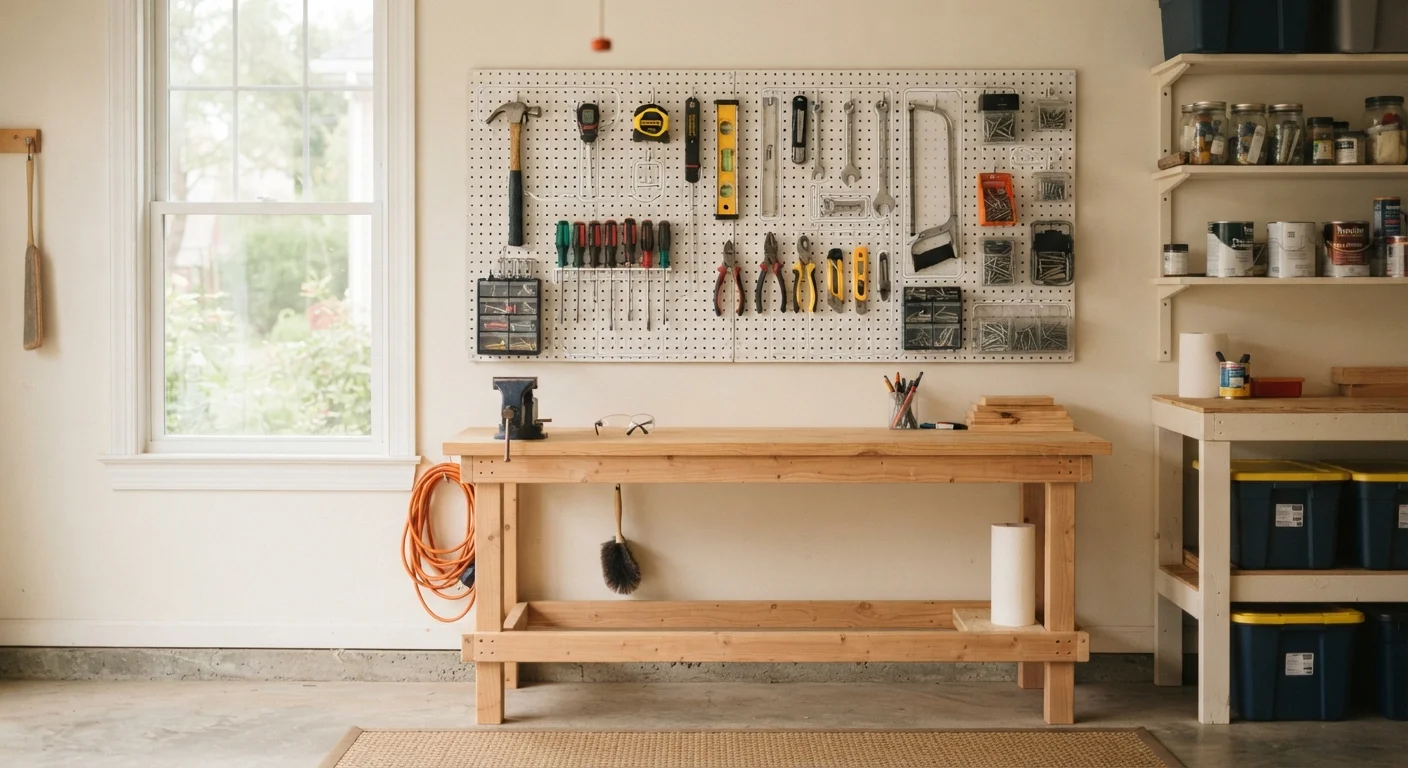
You don't need a full workshop to handle most everyday repairs. A modest, well-chosen toolkit covers the vast majority of minor home tasks. Here are the fundamentals to have on hand:
- Hammer - for driving nails and light demolition
- Flat-head and Phillips screwdrivers (or a multi-bit driver) - for screws of nearly every kind
- Tape measure - indispensable for any project involving dimensions
- Utility knife - useful for scoring, cutting, and trim work
- Level - ensures shelves, frames, and fixtures hang straight
- Adjustable pliers and an adjustable wrench - for plumbing fixtures and general fastening
- Stud finder - locates wall studs for safely anchoring heavy items
- Caulk gun - for sealing gaps around windows, tubs, and doors
Buy quality where it matters most - particularly for hand tools you'll use repeatedly. Borrow or rent power tools for one-off projects rather than investing in equipment you may rarely need.
Start Small and Build Confidence
Before taking on any project, watch a couple of how-to videos and read through all the steps first. Starting with a small, low-stakes repair - like patching a nail hole or replacing a cabinet hinge - gives you hands-on experience without significant risk. Confidence grows with practice, not just reading.
Projects You Can Tackle Yourself
Many repairs and improvements are well within a careful beginner's reach. The key factors are whether the task is reversible if something goes wrong, whether it involves systems that pose safety risks, and whether clear instructions are available. Good beginner-friendly projects include:
- Patching small holes in drywall
- Replacing door hardware (handles, hinges, locks)
- Painting interior walls and trim
- Replacing a showerhead or faucet aerator
- Installing weatherstripping around doors and windows
- Caulking around tubs, sinks, and windows
- Replacing light switch covers and outlet faceplates
Before starting any project, read the full process through - including any manufacturer instructions - and gather all materials before picking up a tool. This reduces mid-project trips to the hardware store and prevents rushed decisions. See our pre-renovation readiness checklist for a structured approach to planning any project.
When to Call a Licensed Professional
Part of being a capable homeowner is recognizing the work you shouldn't attempt yourself. Several categories of home work are regulated, hazardous, or both - and mistakes can result in injury, fire, flooding, or code violations that create legal and insurance complications.
Never DIY Electrical, Gas, or Structural Work
Electrical wiring, gas line connections, and structural modifications are regulated in most US jurisdictions and require licensed professionals. Attempting these without the proper license, tools, and knowledge creates serious risks of fire, injury, or structural failure. Always verify local permit requirements with your municipal building department before starting any major project.
Work that typically requires a licensed professional includes:
- Electrical - any new wiring, panel upgrades, or outlet additions
- Plumbing - connecting to main supply or drain lines, water heater replacement
- Gas - appliance connections, line extensions, or repairs
- Structural - removing or modifying walls, especially load-bearing ones
- Roofing - full replacement or significant repairs
If you're unsure whether your project requires a permit or a licensed trade, your local building or planning department is the right first call. For guidance on making the DIY-vs-professional decision confidently, see our practical decision framework. When you do hire, knowing what to look for in a tradesperson helps you choose wisely.
Renters Have Different Responsibilities
If you're renting rather than owning, many maintenance obligations fall to your landlord rather than you. Before making any repairs or improvements, review your lease and understand the division of responsibilities. Our article on renter maintenance responsibilities breaks this down clearly.
Building Good Maintenance Habits
The most effective home improvement strategy for a new owner isn't a single project - it's building consistent habits. Homes are systems, and small, regular attention prevents the compounding neglect that leads to large repair bills.
A seasonal rhythm works well for most households. Each season brings predictable tasks: inspecting weatherstripping before winter, checking the roof and gutters in fall, testing smoke detectors and HVAC filters every few months. Our seasonal maintenance checklist gives you a practical, room-by-room structure to follow throughout the year.
Keep a simple home file - physical or digital - documenting appliance manuals, repair records, warranty information, and contractor contacts. When something needs attention, you'll have the information you need immediately rather than scrambling.
If you're also thinking about outdoor spaces, many of the same principles apply: start small, learn your environment, and build from there. Our beginner's guide to starting a garden is a good companion read for anyone tackling the yard alongside the house. The Home Maintenance hub also offers a broader library of practical upkeep guidance as your confidence grows.