
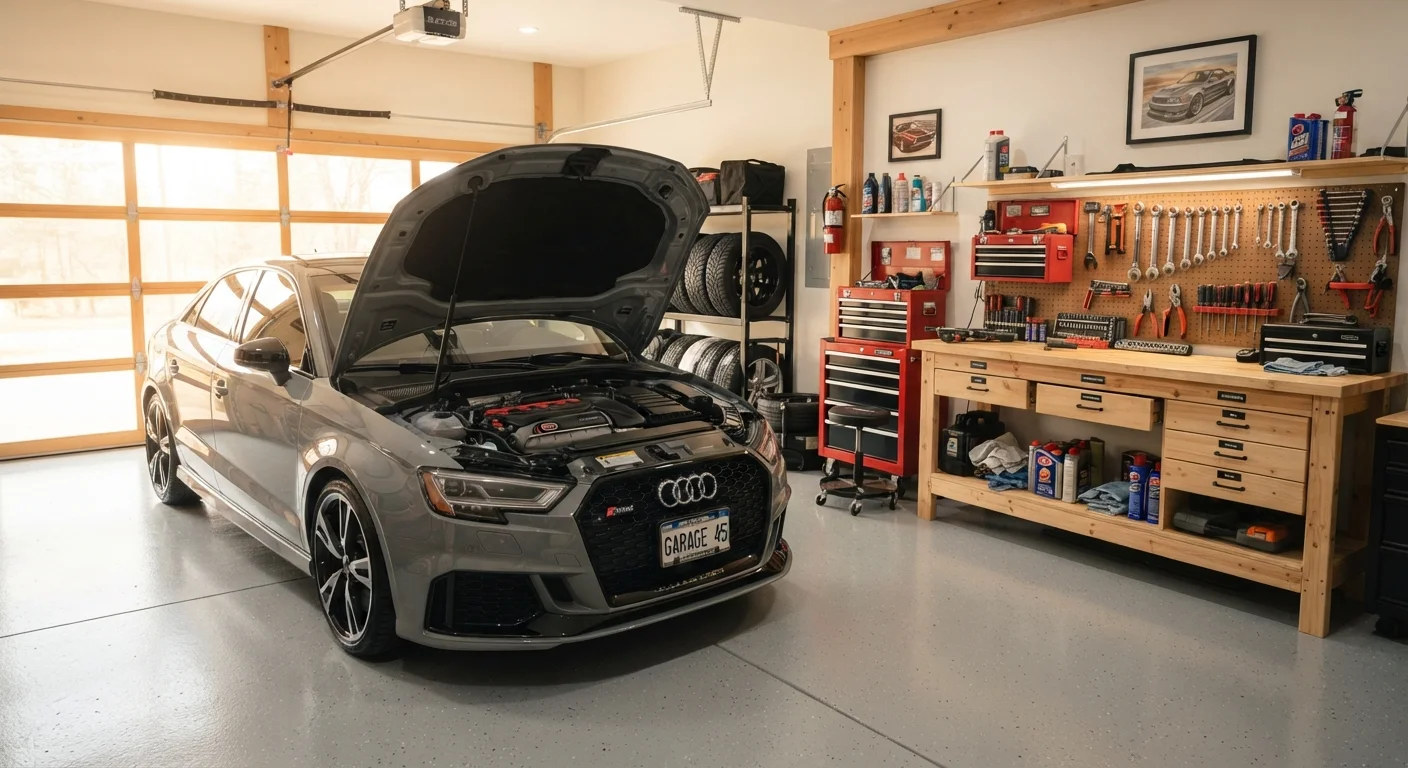
Why Routine Car Care Matters
Most car breakdowns aren't random - they're the result of small problems that went unaddressed. Routine maintenance keeps those small problems from becoming expensive ones, and it keeps you safer on the road. A well-maintained vehicle also tends to hold its value longer and consume less fuel over time.
Car care doesn't require a mechanic's skill set for every task. Many checks take just a few minutes and can be done in your driveway. Understanding what to look for - and when - is the real foundation. For a plain-language breakdown of how your car's core systems actually work, see our How Cars Work hub. And if you ever encounter unfamiliar terminology in your owner's manual or at the shop, the Car Systems Glossary covers 40 essential terms every driver should recognize.
35%
Of breakdowns linked to maintenance neglect
According to AAA, a significant share of roadside breakdowns involve issues that routine maintenance could have caught or prevented.
4/32"
Recommended minimum tyre tread depth
Many safety organizations recommend replacing tyres at 4/32-inch tread rather than waiting for the legal minimum of 2/32 inch.
3-5 years
Typical car battery lifespan
Battery Council International data suggests most conventional car batteries perform reliably for three to five years under normal conditions.
Fluids: The Lifeblood of Your Vehicle
Your car relies on six main fluids to operate safely: engine oil, coolant, brake fluid, transmission fluid, power steering fluid, and windshield washer fluid. Each serves a distinct purpose, and letting any one of them run low or degrade can cause real damage.
- Engine oil lubricates moving metal parts and reduces heat from friction. Check the level monthly using the dipstick - oil should appear amber to dark brown, never milky or gritty.
- Coolant (also called antifreeze) regulates engine temperature. Inspect the reservoir when the engine is cold; never open a hot radiator cap.
- Brake fluid transfers the force from your pedal to the brakes. It absorbs moisture over time, which lowers its boiling point - most manufacturers recommend replacement every two years.
- Transmission fluid keeps gear changes smooth. Automatic transmissions are especially sensitive to low or burnt fluid.
- Power steering fluid assists steering effort. A whining sound when turning is often the first sign of low fluid.
Check your oil level and color together - pale, milky oil can indicate coolant contamination, which signals a serious engine problem that needs immediate professional attention.
Color changes in oil are among the earliest indicators of internal engine issues, and catching them early can prevent major failures.
Always let your engine cool completely before adding coolant - opening a pressurized radiator cap on a hot engine can cause scalding fluid to erupt suddenly.
Coolant systems operate under pressure, and the temperature of the fluid can far exceed the boiling point of water, making burns a genuine risk.
It's worth noting that many newer vehicles use electric power steering and don't have a power steering fluid reservoir at all - your owner's manual will confirm which systems your car has.
Tyres: Safety Starts at the Ground
Your tyres are the only part of the car in contact with the road, making their condition directly tied to your safety. Two checks matter most: pressure and tread depth.
Tyre pressure should be checked monthly and before long trips, ideally when the tyres are cold (the car has been sitting for at least three hours). The correct pressure is listed on a sticker inside the driver's door jamb - not on the tyre sidewall, which shows the maximum pressure. Under-inflated tyres wear unevenly and reduce fuel efficiency; over-inflated tyres reduce grip.
Tread depth determines how well the tyre channels water in wet conditions. The legal minimum in most US states is 2/32 of an inch, but many safety experts suggest replacing tyres at 4/32 for better wet-weather performance. A quick check: insert a penny into the tread groove with Lincoln's head facing down - if you can see his entire head, the tread is worn.
Never Ignore a Tyre Bulge or Sidewall Crack
A bulge in the tyre sidewall indicates internal structural damage - the tyre can fail suddenly at highway speeds. Similarly, deep sidewall cracking (sometimes called 'dry rot') means the rubber has degraded and can no longer be trusted. Both conditions require tyre replacement before driving further, not just monitoring.
Also inspect tyres visually for sidewall cracks, bulges, or embedded objects. Rotate tyres every 5,000-7,500 miles to promote even wear across all four.
Brakes: Knowing When to Act
Brakes are one area where it pays to act early. Most brake pads are fitted with a small metal wear indicator - a thin strip that contacts the rotor when pads wear thin, producing a high-pitched squeal. That squeal is a deliberate warning signal, not just an annoyance.
A grinding or metal-on-metal sound means the pads are fully worn and the metal backing plate is contacting the rotor directly - a situation that can damage expensive rotors and, more critically, extend stopping distances. If you notice pulling to one side during braking, a pulsing pedal, or a soft/spongy pedal feel, have the brakes inspected by a qualified mechanic promptly. These are not checks to defer.
Brake inspection is typically included in routine service appointments. You can also ask a technician to visually check pad thickness when your tyres are rotated, since the wheels are already removed at that point.
Electrics, Lights, and the Battery
Modern vehicles depend heavily on electrical systems - from the battery and alternator to sensors and lighting. A few simple habits can prevent most electrical headaches.
Battery: Car batteries typically last three to five years. Signs of a weakening battery include slow engine cranking, dimming headlights, or a dashboard warning light. Most auto parts stores will test a battery for free. Keeping terminals clean and free of white or bluish corrosion helps extend battery life.
Alternator: The alternator charges the battery while the engine runs. If your battery warning light appears while driving, or lights begin to dim while the engine is on, the alternator may not be charging properly - a situation that warrants prompt attention.
Lights: Walk around your car periodically to confirm all exterior lights - headlights, tail lights, brake lights, and turn signals - are functioning. A burned-out brake light is both a safety hazard and a ticketable offense in most states.
Set a Monthly Electrical Walkthrough
Once a month, turn on your headlights and walk around the car to check every exterior light. Ask a passenger to confirm brake lights and reverse lights work while you operate the pedals. This two-minute check can prevent a traffic stop - or a collision.
Following a Service Schedule
The single most reliable guide to your car's maintenance needs is the owner's manual that came with the vehicle. It lists manufacturer-recommended intervals for oil changes, filter replacements, spark plugs, belts, and more - tailored specifically to your engine and drivetrain.
Many drivers still follow outdated rules of thumb, such as changing oil every 3,000 miles. Most modern vehicles with synthetic oil can go 7,500 to 10,000 miles or more between changes. Following the manufacturer's schedule - rather than more conservative generic advice - is generally the right call. Our article on car maintenance myths examines several of these common misconceptions in detail.
Keep a simple log of every service: date, mileage, and work performed. This record is useful when diagnosing future problems, and it can meaningfully support resale value. If you've recently purchased a used vehicle without service records, a qualified mechanic can perform a multi-point inspection to establish a maintenance baseline and identify anything overdue.
Staying on top of car care is, in many ways, similar to maintaining a home - consistent attention to small things prevents large failures. If you appreciate that kind of proactive thinking, our Home Maintenance hub applies the same approach to your house.
“The best time to address a car problem is before it becomes a breakdown. Maintenance isn't an expense - it's what you pay instead of a much larger repair bill.”
— Cars Explained Editorial Team, Automotive Education Writers