
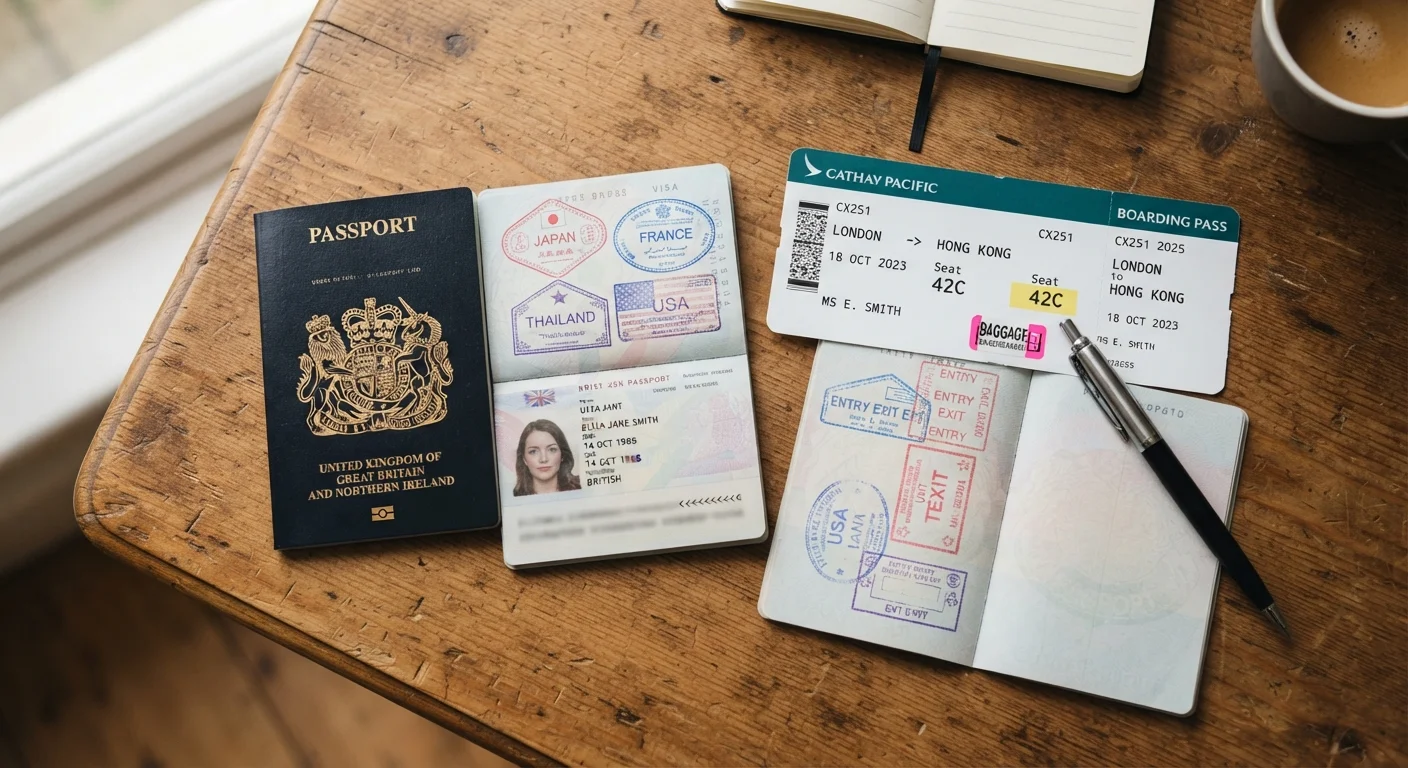
Why Documentation Is the Foundation of International Travel
No matter how carefully you've planned your flights, hotels, and itinerary, a single missing or expired document can bring your trip to a halt at a border crossing or check-in counter. Immigration officers follow strict rules, and airlines are responsible for ensuring passengers meet destination entry requirements before boarding.
This checklist is designed to help you systematically review your travel documents weeks — not hours — before departure. Use it alongside the broader pre-trip checklist that covers bookings, health prep, and home arrangements.
Requirements Change — Always Verify Before You Travel
Entry requirements, visa policies, and health documentation rules are set by individual governments and can change with little notice. An article, travel blog, or even a recent forum post may reflect outdated information. Always confirm current requirements directly with the official embassy, consulate, or government travel advisory of your destination country before booking and again close to your departure date.
Document requirements change. Always verify current requirements with the official embassy, consulate, or government travel advisory website of your destination country. Information in this article reflects general practices and should not be treated as definitive entry guidance.
Tools You'll Need to Work Through This Checklist
Before you start, gather the following items so you can check each document against the requirements below.
Your physical passport
The primary identity and travel document required for all international border crossings.
Official embassy or consulate website
Used to verify current visa requirements, entry rules, and authorized application channels for your destination.
Government travel advisory portal (e.g., travel.state.gov for US travelers)
Provides up-to-date safety advisories, entry requirements, and emergency contact information by country.
Secure cloud storage account
Stores digital backup copies of all travel documents, accessible remotely if originals are lost or stolen.
International vaccination certificate (ICVP)
Documents required vaccinations such as yellow fever for destinations that mandate proof of immunization.
Travel insurance policy documents
Proof of medical and trip coverage, sometimes required for entry and always useful in an emergency.
The Core Document Checklist
Work through each category below systematically. For each item marked must, confirm it is valid, accessible, and copied before you travel. If you're building a full travel plan, pairing this checklist with a structured travel itinerary makes it easier to cross-reference bookings with document requirements.
Passport
Visas and Entry Authorizations
Proof of Travel Plans
Health and Vaccination Records
Financial and Insurance Documents
Backup Copies and Emergency Information
Six-Month Passport Validity Rule
Many countries require that your passport remain valid for at least six months beyond your intended departure date — not just your arrival date. Airlines routinely check this before boarding. If your passport expires within six months of your return, begin the renewal process immediately, as processing times vary and expedited services are not always available.
Backing Up and Storing Your Documents Safely
Even with every document in order, loss or theft abroad is a real possibility. A layered backup strategy dramatically reduces the disruption caused by lost originals.
Store digital scans of all documents — passport photo page, visas, insurance policy, and bookings — in a secure cloud service you can access from any device. Email copies to yourself as a secondary backup. Carry one set of physical photocopies in a bag separate from your originals. Leave another full copy with a trusted contact at home who can assist remotely if needed.
If you're traveling with prescription medications, documentation becomes especially important at customs. See our guide on traveling with medications for what to carry and declare. And since even well-prepared travelers encounter the unexpected, reviewing contingency planning strategies before departure is always worthwhile.
This article provides general travel information only. Entry requirements, visa rules, and health documentation requirements vary by country and can change without notice. Always verify current requirements with the relevant embassy, consulate, or official government travel advisory before you travel.