
Why the At-Home vs. Professional Question Matters
Grooming is more than aesthetics — it directly affects your pet's skin health, comfort, and your ability to spot early signs of illness. Done well at home, routine grooming builds trust between you and your pet and keeps costs manageable. Done incorrectly, it can cause pain, injury, or skin infections.
The decision isn't always obvious. Some tasks look simple but carry hidden risks; others seem intimidating but are genuinely straightforward with the right approach. Understanding which category each task falls into helps you act confidently and know when to hand things over. This is similar in principle to decisions pet owners face in other areas of care — see what daily pet care actually involves for broader context on routine responsibilities.
What You Can Reasonably Do at Home
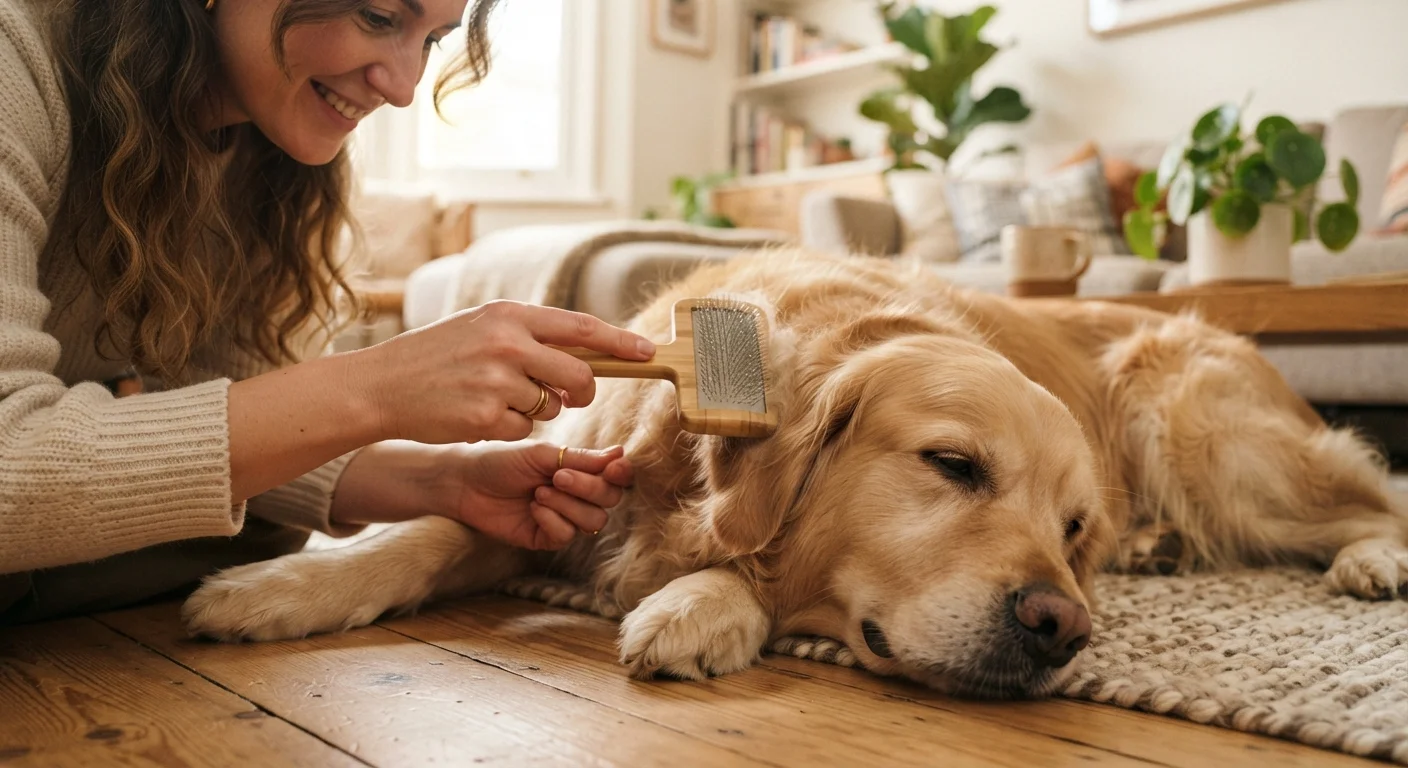
Brushing and detangling is the most universally manageable at-home task. For short-coated dogs and cats, a weekly brush-through removes loose fur and distributes skin oils. Long- or double-coated breeds need more frequent attention to prevent matting, but the technique is learnable. Use a brush suited to your pet's coat type and work in the direction of hair growth.
Basic bathing is also within reach for most owners, provided your pet tolerates water. Use a shampoo formulated for pets — human products can disrupt their skin's pH balance. Rinse thoroughly, as residue causes irritation, and dry completely to avoid hot spots or fungal growth.
Wiping ears (not cleaning inside the canal) with a veterinarian-approved wipe or damp cotton pad helps remove surface debris and lets you notice unusual odor or discharge early. If you see redness, dark buildup, or your pet shakes their head frequently, that's a cue to see a vet rather than attempt cleaning yourself.
Nail trimming sits in a middle category. It's doable at home with proper clippers and clear visibility of the quick — the blood vessel inside the nail. Light-colored nails make this easier; dark nails make it harder. Trim small amounts at a time. If your pet is anxious or pulls away, the risk of cutting too deep rises sharply. Having styptic powder in your pet first aid kit is advisable before you attempt this at home.
Introduce Grooming Gradually
If your pet is new to home grooming, start with the least invasive task — a short brushing session — before moving to anything involving their paws or ears. Keep initial sessions under five minutes and end on a calm, positive note. Gradual exposure is far more effective than pushing through resistance, and it makes future sessions noticeably easier for both of you.
What to Leave to a Professional
Anal gland expression is one of the most commonly mishandled at-home tasks. The glands sit just inside the rectum, and improper technique can cause rupture, infection, or significant pain. Unless a veterinarian has specifically trained you to do this for a pet with a chronic need, leave it to a groomer or vet tech.
Deep ear cleaning — flushing the ear canal or removing impacted debris — requires proper technique and, often, professional-grade solutions. Pushing debris further in or using the wrong product can damage the delicate structures of the inner ear. Surface wiping is fine; anything deeper is not.
Breed-specific cuts and styling (poodle clips, Schnauzer trims, double-coat management for Huskies or Samoyeds) require knowledge of coat structure and professional tools. An uneven cut is cosmetically minor; cutting into a double coat incorrectly can disrupt its insulating function.
Medicated treatments — antifungal rinses, mange treatments, prescription shampoos — should always be applied under veterinary guidance. These aren't standard grooming products, and incorrect use can delay treatment or worsen the condition.
Don't Attempt to Remove Mats by Cutting
Matted fur that sits close to the skin is deceptively dangerous to cut away at home. The skin can tent up into the mat, making scissor injuries far easier than they appear. If brushing doesn't resolve a mat and it sits against the skin, a professional groomer with clippers and experience is the right call — not household scissors.
Comparing At-Home and Professional Grooming
The table below summarizes key grooming tasks alongside how each approach tends to perform. Use it as a quick reference when deciding where a specific task belongs.
| Grooming Task | At-Home | Professional | |
|---|---|---|---|
| Brushing & detangling | Recommended for all owners | Needed for severe mats only | |
| Basic bathing | Manageable with pet shampoo | Useful for thick or heavy coats | |
| Nail trimming | Doable with care and calm pet | Safer for dark nails or anxious pets | |
| Ear surface wiping | Safe with vet-approved wipes | Not typically necessary | |
| Deep ear cleaning | Not recommended | Required — risk of canal damage | |
| Anal gland expression | Not recommended | Vet or groomer only | |
| Breed-specific styling | Difficult without training | Recommended for accuracy | |
| Medicated treatments | Only under vet instruction | Supervised professional application |
Keep in mind that your pet's individual temperament matters significantly. A cooperative, calm pet makes almost any task more manageable at home. An anxious or reactive pet raises the risk of accidental injury for both of you, regardless of your skill level.
Building a Sustainable Routine
The most practical approach for most pet owners is a hybrid model: handle routine maintenance yourself between scheduled professional appointments. How often you need professional grooming depends on coat type, breed, season, and your pet's activity level.
Starting young helps enormously. Puppies and kittens introduced gradually to brushing, handling of paws, and brief ear checks grow into adults who tolerate grooming calmly. For adult pets new to home grooming, short positive sessions — a few minutes at a time, paired with treats — build tolerance incrementally.
Track what you notice during grooming: lumps, skin changes, unusual odor, or behavioral sensitivity to touch in a specific area. These observations are genuinely valuable when you speak with your veterinarian. Grooming time is often when owners first notice health changes that warrant professional attention.
This article provides general pet care information for educational purposes and is not a substitute for advice from a licensed veterinarian. Always consult your vet for guidance specific to your pet's health and needs.