
What Each Method Actually Means
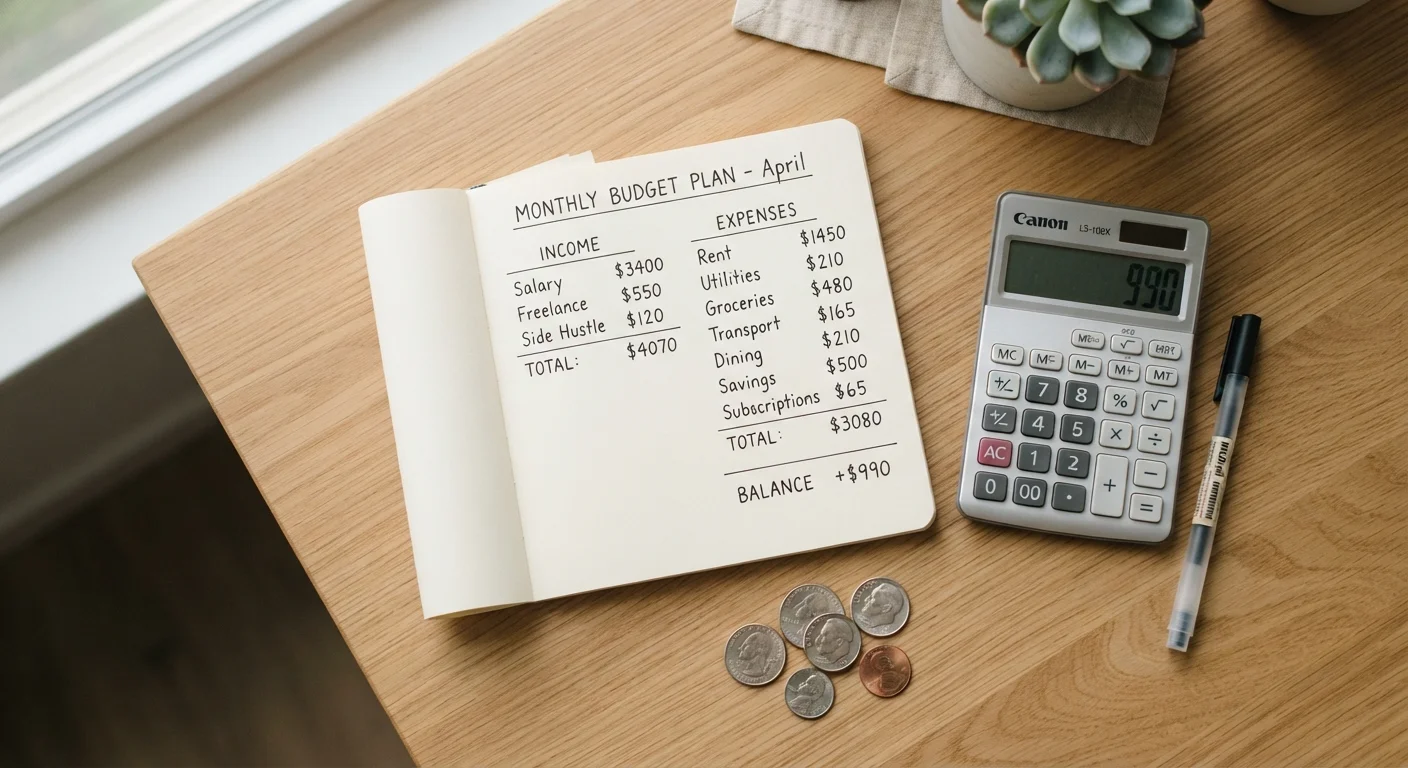
Zero-based budgeting (ZBB) starts with your total monthly take-home pay and assigns every single dollar to a category - housing, groceries, savings, debt payments, entertainment - until that number reaches zero. "Zero" doesn't mean you've spent everything; it means no dollar is sitting unaccounted for. Money earmarked for savings is just as "assigned" as money earmarked for rent.
Percentage-based budgeting divides your income into broad buckets using fixed ratios. The most widely cited version is the 50/30/20 rule - 50% toward needs, 30% toward wants, 20% toward savings and debt. You then spend freely within each bucket without tracking individual line items. See how the 50/30/20 rule is applied in practice for a fuller breakdown of that specific framework.
If you're unfamiliar with terms like discretionary spending or net income, the budgeting glossary for beginners covers the vocabulary you'll encounter with either method.
How Each System Works Month to Month
With zero-based budgeting, you begin each month fresh. You list your expected income, then build out categories and dollar amounts until income minus all assigned amounts equals zero. Changes in income - a smaller paycheck, a freelance deposit - require you to re-run the numbers. It's a hands-on process, often done weekly or at least twice a month.
Percentage-based budgeting is set-and-check. Once you know your monthly take-home, you calculate each bucket once and compare your actual spending at month's end. You're not tracking individual purchases in real time - just making sure you haven't blown past a category total. This lighter touch is one reason it's often recommended as a starting point.
| Zero-Based Budgeting | Percentage-Based Budgeting | |
|---|---|---|
| Setup time | Longer - every category itemized | Quick - apply ratios to income |
| Ongoing maintenance | High - requires regular tracking | Low - check totals monthly |
| Level of detail | Very granular, line by line | Broad buckets only |
| Best income type | Steady or variable income | Steady, predictable income |
| Flexibility | Low within categories | High within each bucket |
| Learning curve | Steeper for beginners | Gentle for first-time budgeters |
| Visibility into spending | Very high - nothing hidden | Moderate - broad categories only |
People with variable or irregular income may find zero-based budgeting more adaptable month to month, since it's rebuilt from scratch each time. For more on managing unpredictable paychecks, see budgeting strategies for irregular income.
Trade-Offs Worth Knowing
Try a One-Month Test Before Committing
Before deciding which system fits your life, run a single month with one method and record how it feels. Did you stick to it? Did it take too long? Your honest answers after one month are more useful than any general recommendation. You can always switch methods or blend elements of both once you've seen how your spending actually breaks down.
Zero-based budgeting's strengths: It forces you to consciously decide where every dollar goes, which can reveal spending patterns you'd otherwise miss. It's particularly useful when you're aggressively paying down debt or rebuilding after a financial setback, because it leaves no room for vague, untracked spending.
Zero-based budgeting's limitations: It takes more time - both to set up initially and to maintain. If you skip a week of tracking, the system loses accuracy quickly. It can also feel restrictive for people who find rigid categories stressful.
Percentage-based budgeting's strengths: It's fast to implement, forgiving of minor month-to-month variation, and easy to explain. Because the rules are broad, there's less chance of feeling boxed in by a single overspent line item.
Percentage-based budgeting's limitations: The broad categories can hide problem areas. You might stay within the "wants" bucket overall while quietly overspending on one habit and underspending on another. It also assumes your income and lifestyle fit neatly into fixed ratios, which isn't always true.
Understanding why budgets break down can be just as valuable as choosing the right method - the reasons budgets fail in the first month applies to both systems.
Choosing the Right Starting Point
If you've never made a formal budget before, percentage-based budgeting is generally easier to start with. The math is minimal, the structure is forgiving, and you can refine it once you understand your spending patterns. This step-by-step walkthrough for first-time budgeters shows how to put either method into practice from scratch.
If you're already tracking your expenses or you're motivated to eliminate any financial blind spots, zero-based budgeting offers tighter feedback. Many people start with percentages and move toward zero-based budgeting once they're comfortable with the habit of reviewing their finances regularly.
You can also blend approaches - use percentage buckets as guardrails, then apply zero-based logic within your savings category to allocate money toward specific goals like an emergency fund or a vacation. Once your budget is running, a monthly budget review checklist can help you catch issues before they compound.
This article is for general informational and educational purposes only and does not constitute personalized financial advice. Consider consulting a qualified financial professional for guidance specific to your situation.