
The Core Idea: A Plan, Not a Punishment
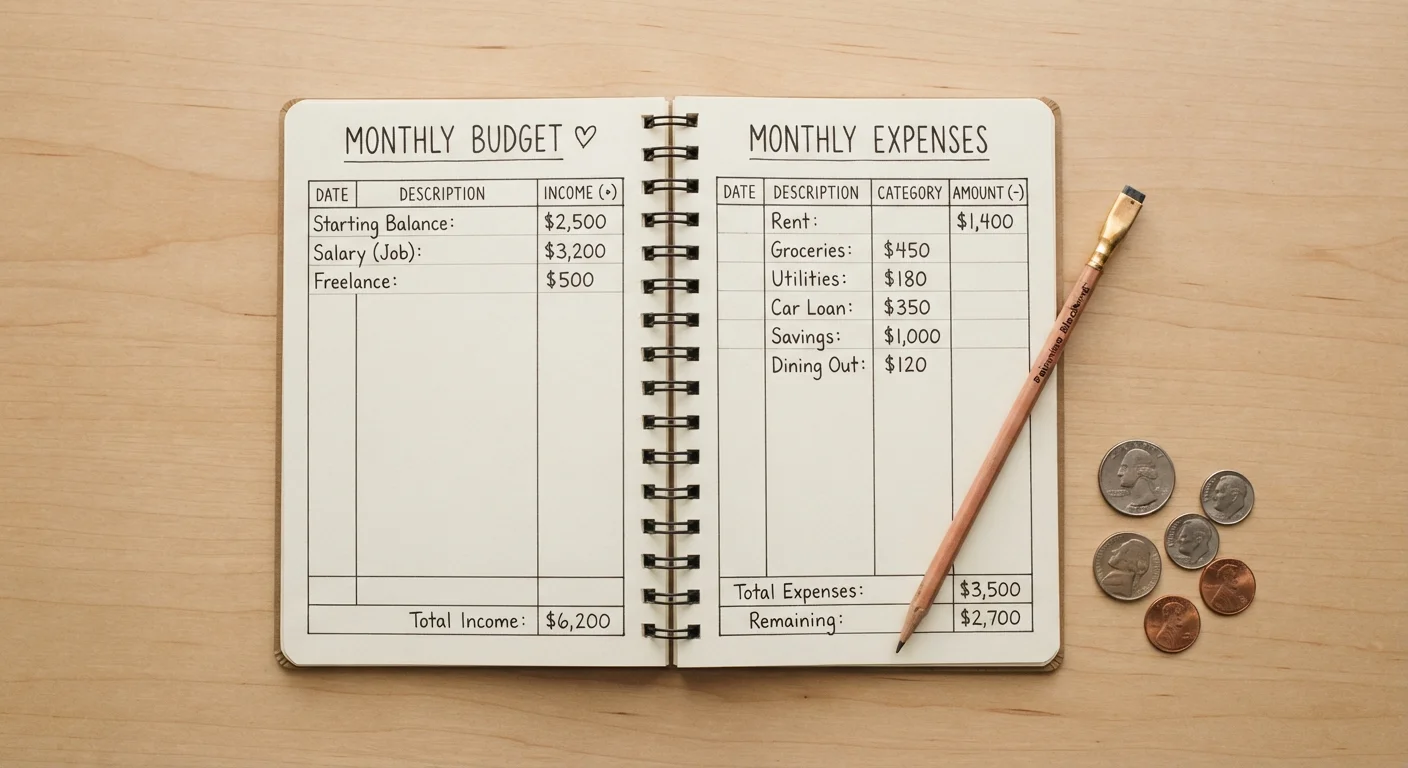
Many people hear the word "budget" and picture something restrictive - a joyless spreadsheet that forbids dinners out or new shoes. That image is one of the most persistent misconceptions in personal finance, and it keeps a lot of people from ever starting. A personal budget is simply a written plan that matches your expected income to your intended spending and saving for a defined period, most commonly a month.
Think of it as giving every dollar a job before the month begins. Some dollars are assigned to rent, some to groceries, some to a savings goal. The key word is plan - a budget is something you make in advance, not a record of what already happened. That forward-looking quality is what separates budgeting from merely tracking expenses.
For a broader introduction to personal finance concepts, see our practical overview of everyday personal finance.
Start With One Month's Real Numbers
Before building your first budget, pull up one recent month of bank and credit card statements. Use those actual figures - not guesses - as your starting point for expense categories. Real data produces a far more accurate first budget than estimates made from memory.
What Goes Into a Budget
A functional personal budget has two main components: income and expenses. Income is every dollar coming in during the period - wages, freelance pay, side income, or any other regular source. The correct figure to use is your net income (sometimes called take-home pay) - what actually lands in your account after taxes and deductions, not your gross salary.
Expenses are divided into two broad categories:
- Fixed expenses - costs that stay the same each month, such as rent, a car loan payment, or an insurance premium.
- Variable expenses - costs that change month to month, such as groceries, gas, utilities, and dining out.
A complete budget also makes room for irregular expenses - costs that don't appear every month but are predictable, like annual subscriptions, car registration fees, or holiday gifts. Many beginners forget these and then feel blindsided when they arrive. Finally, a budget should include a line for savings - treating saving as a planned expense rather than an afterthought is one of the most effective budgeting habits there is.
Unfamiliar with some of these terms? Our budgeting glossary explains the vocabulary you'll run into most often.
~32%
Americans who follow a formal budget
According to a Gallup survey, fewer than one in three Americans report maintaining a detailed household budget, despite widespread awareness of its benefits.
$1,000+
Median monthly unplanned spending gap
Research from the National Endowment for Financial Education suggests that households without a written budget frequently underestimate monthly expenses by several hundred dollars or more.
What a Budget Is Not
Just as important as understanding what a budget is, is understanding what it isn't - because misconceptions are the most common reason people avoid making one.
A budget is not a sign of financial struggle. People at every income level use budgets. High earners without a spending plan frequently overspend just as easily as anyone else. A budget is a tool for intention, not a signal of desperation.
A budget is not set in stone. Life changes, and so does a good budget. If your car breaks down or you get a raise, you update the numbers. A budget made once and never revisited is closer to a wish list than a working plan.
A budget is not about eliminating everything enjoyable. A well-made budget deliberately includes spending on things you value - entertainment, hobbies, dining out - because sustainable plans reflect real life. What it does eliminate is unintentional spending: money that leaves your account without you consciously choosing it.
For a closer look at the myths that discourage people from starting, see common budgeting myths examined.
Budgets and Spending Trackers Are Different Tools
A spending tracker records what already happened - it's retrospective. A budget is prospective: it plans what will happen. Many people find it helpful to use both together, letting past spending data inform future budget decisions. But using a tracker alone isn't the same as having a budget.
How to Move From Understanding to Action
Understanding what a budget is gives you the foundation; the next step is actually building one. The process is more straightforward than most people expect. You need three pieces of information: your monthly net income, a list of your fixed expenses, and a realistic estimate of your variable expenses. From there, you assign amounts to each category so that your planned spending doesn't exceed your income.
A basic budget equation looks like this:
Net income − (fixed expenses + variable expenses + savings) = 0
If the result is a positive number, you have unallocated dollars - give them a purpose. If it's negative, you're planning to spend more than you earn, which requires adjustments before the month begins, not after.
The first budget you make will not be perfect. That's expected. The value comes from doing it consistently - comparing what you planned to what actually happened, and adjusting the next month's plan accordingly. Over a few months, the estimates get more accurate and the process gets faster.
Ready to put this into practice? Our step-by-step first budget walkthrough guides you through the entire process from scratch. For a more comprehensive reference, see the complete personal budgeting reference.
This article is for general informational and educational purposes only and does not constitute personalized financial advice. For guidance tailored to your specific situation, consider consulting a qualified financial professional.