
Why Good Intentions Aren't Enough
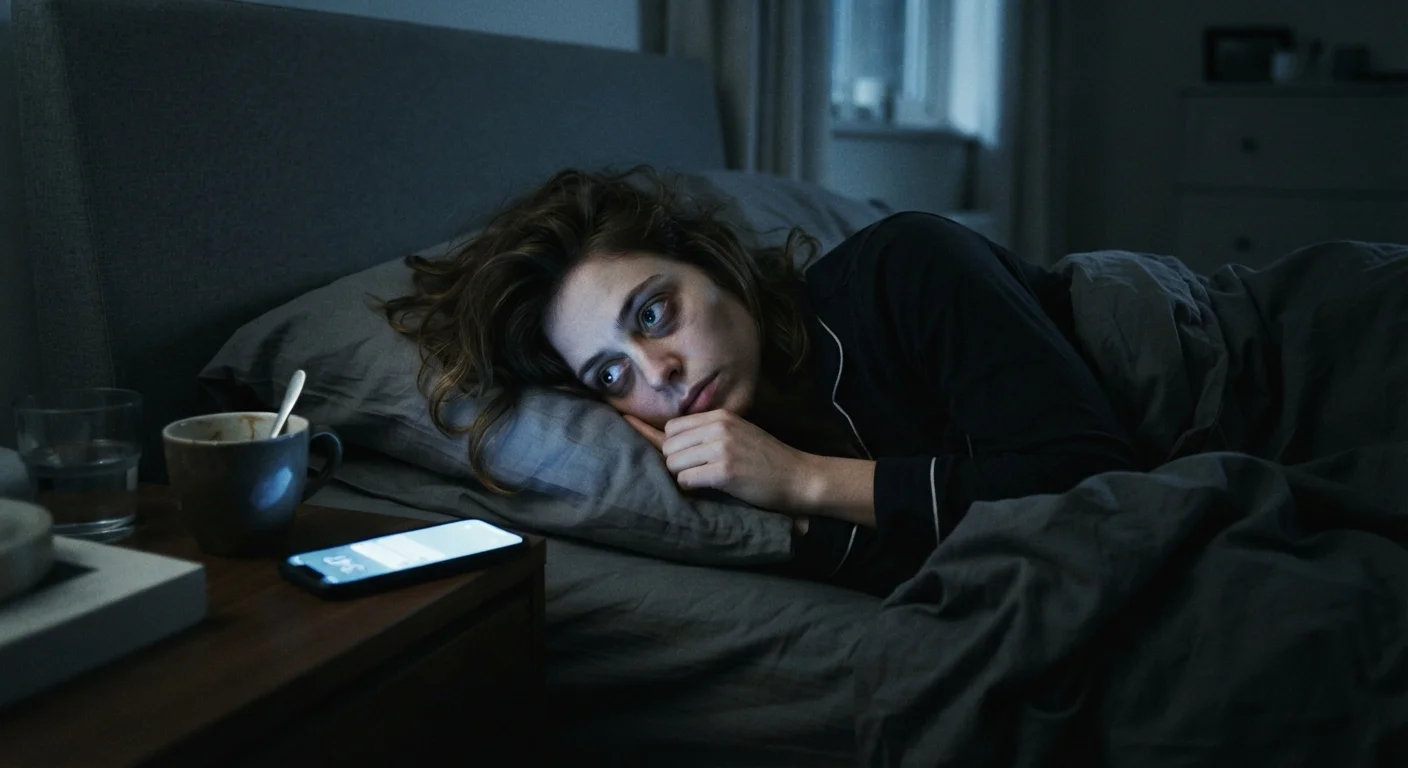
Most people who struggle with sleep are not ignoring the basics. They go to bed at a reasonable hour, avoid obvious stimulants late at night, and try to wind down before lights-out. Yet sleep quality remains poor - fragmented, shallow, or simply unrefreshing. The reason is often a cluster of subtle behavioral patterns that operate below the threshold of obvious cause and effect.
Sleep is governed by two interlocking systems: the circadian clock, which responds to light and behavioral timing cues, and homeostatic sleep pressure, which builds the longer you are awake. Disrupting either system - often without intending to - is enough to undermine the quality of rest that follows. The mistakes outlined here are common precisely because they are not intuitively obvious, and because the consequences are delayed rather than immediate.
For a broader look at how morning behavior connects to energy throughout the day, see morning routines and energy levels.
The Mistakes That Quietly Erode Sleep
The behaviors below are among the most frequently overlooked contributors to poor sleep. What makes them particularly difficult to identify is that their effects unfold gradually - a single late coffee or one long weekend nap rarely causes noticeable harm, but repeated over weeks, they shift baseline sleep quality in measurable ways.
Varying your wake-up time significantly from day to day, including on weekends.
Why it happens: Most people focus on when they go to bed rather than when they rise, and weekends feel like a natural opportunity to recover lost sleep.
Consuming caffeine in the afternoon or early evening without accounting for its long half-life.
Why it happens: People often underestimate how long caffeine remains pharmacologically active. A mid-afternoon coffee feels harmless because it does not seem to prevent falling asleep, yet it can suppress the depth and restorative quality of sleep.
Keeping the bedroom too warm for optimal sleep onset.
Why it happens: Warmth feels comforting and is often associated with relaxation, so people set thermostats higher in the evening without realizing heat works against the physiology of sleep.
Napping too late in the day or for longer than about 30 minutes.
Why it happens: Fatigue in the afternoon often triggers the impulse to nap, and without a set limit, naps can drift longer and later than intended.
Treating the bedroom as a multipurpose room for work, scrolling, or watching video content.
Why it happens: Modern devices make entertainment and productivity available anywhere, and the bedroom is private and comfortable - a naturally appealing setting for both.
Exercising intensely within two to three hours of bedtime.
Why it happens: Evening workouts are often the only practical option for people with busy daytime schedules, and exercise is generally understood as beneficial for sleep - which it is, when timed appropriately.
Weekend Sleep Schedules Can Backfire
It is tempting to 'catch up' on lost sleep by staying in bed several hours later on weekends. However, research in chronobiology suggests this pattern shifts your internal clock in ways that make Monday mornings harder and can sustain a cycle of weekday sleep debt. A consistent wake time - even on days off - is one of the most reliable anchors for a stable circadian rhythm.
Screen use before bed is another area worth scrutinizing carefully. Screen time before bed is often cited as a major sleep disruptor, but the evidence is more nuanced than popular accounts suggest - the behavioral engagement with content may matter as much as blue light exposure itself.
If you are looking to build consistent habits around sleep, building a wind-down routine that signals to your nervous system it is time to rest is a practical next step grounded in sleep science.
5-7 hrs
Caffeine half-life in most adults
This range is widely cited in pharmacology literature, meaning caffeine consumed at 3 p.m. may still be partially active well into the evening.
~35%
U.S. adults sleeping less than 7 hours nightly
According to CDC surveillance data, roughly a third of American adults report regularly getting less than the recommended minimum of seven hours of sleep.
1-1.5°C
Core body temperature drop required for sleep onset
Sleep physiology research consistently identifies a small but meaningful decline in core body temperature as a prerequisite for initiating sleep.
Persistent Sleep Problems Deserve Professional Attention
Ongoing difficulty falling or staying asleep - especially when it affects daytime function - can be a sign of an underlying condition such as insomnia disorder or sleep apnea. This article covers general educational information, not medical advice. If poor sleep is a persistent concern, consult a qualified healthcare provider rather than relying solely on behavioral adjustments.
This article is for general informational and educational purposes only and does not constitute medical advice. Always consult a qualified healthcare professional regarding personal sleep concerns or any symptoms that affect your health or daily functioning.