
The Thermostat Gets Reset
Your body temperature doesn't rise during a fever by accident. It is the result of a precisely choreographed process that begins the moment your immune system detects a threat - typically a virus, bacterium, or other foreign invader.
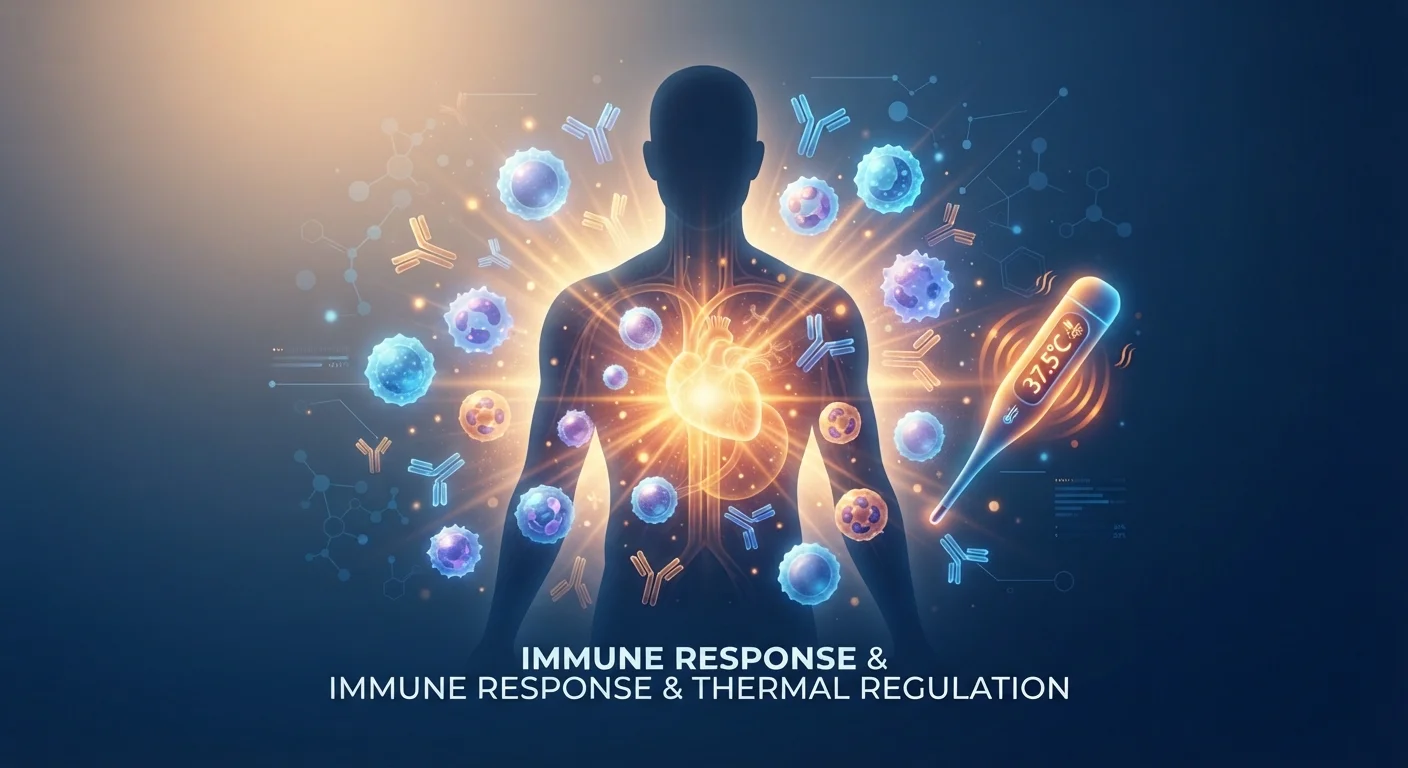
The hypothalamus, a small region at the base of the brain, normally keeps body temperature within a narrow range. When immune cells encounter a pathogen, they release signaling proteins called cytokines - including interleukin-1 (IL-1) and tumor necrosis factor (TNF). These molecules travel to the hypothalamus and trigger the production of prostaglandin E2, a lipid compound that effectively tells the hypothalamus to raise the thermostat setting.
Once the set point climbs - say, from 98.6°F to 102°F - the body treats its current temperature as too cold. It responds by constricting blood vessels near the skin to conserve heat and triggering muscle shivering to generate it. This is why people feel intensely cold at the onset of a fever even though their temperature is rising. Understanding this process also puts normal fluctuations in perspective; as explained in our guide to daily temperature changes, your baseline temperature shifts naturally even without illness.
Why Heat Helps the Immune Response
The elevated temperature of a fever is not merely a byproduct of immune activity - it actively supports it. Research in immunology indicates that higher temperatures can directly impair the ability of certain bacteria and viruses to replicate, giving the immune system a critical window of advantage.
At the same time, many immune cells become more effective in warmer environments. Natural killer cells and T lymphocytes, for example, show enhanced activity at elevated temperatures, helping the body identify and destroy infected cells more efficiently.
100.4°F
Standard fever threshold in adults
The Centers for Disease Control and Prevention and most clinical guidelines define a fever as an oral temperature at or above 100.4°F (38°C).
~1-4°F
Typical temperature rise during moderate fever
Most illness-related fevers fall within one to four degrees above normal baseline, a range associated with meaningful immune benefits.
104°F+
High-fever threshold requiring medical evaluation
Temperatures above 104°F (40°C) are widely considered a threshold at which prompt medical assessment is warranted, particularly in vulnerable populations.
Fever is one component of a much broader coordinated defense. To understand how inflammation, fatigue, and other symptoms fit together, see what the immune system actually does when you get sick.
What Breaking a Fever Feels Like - and Why
When the underlying trigger resolves or when the body determines that the threat has passed, the hypothalamus lowers the temperature set point back toward normal. At this point, the body's actual temperature is now above the new set point, and it must shed heat quickly.
This is when sweating kicks in. Blood vessels near the skin dilate, flushing warmth outward, and sweat evaporates to cool the body's surface. The sensation of breaking a fever - sudden warmth, dampness, and often relief - reflects this active cooling process at work.
Stay Hydrated During a Fever
Fever increases fluid loss through sweating and faster breathing. Drinking water, clear broths, or electrolyte-containing fluids can help support the body's recovery process. If someone is unable to keep fluids down or shows signs of severe dehydration, seek medical care promptly.
Dehydration is a genuine concern during fever because fluid is lost through sweating and increased respiratory rate. Replacing fluids is consistently emphasized in clinical guidance as a key part of supportive care during illness.
This article is for informational purposes only and does not constitute medical advice. Always consult a qualified healthcare professional regarding any health concerns, symptoms, or before making decisions about treatment.