
What Vets Are Actually Looking For
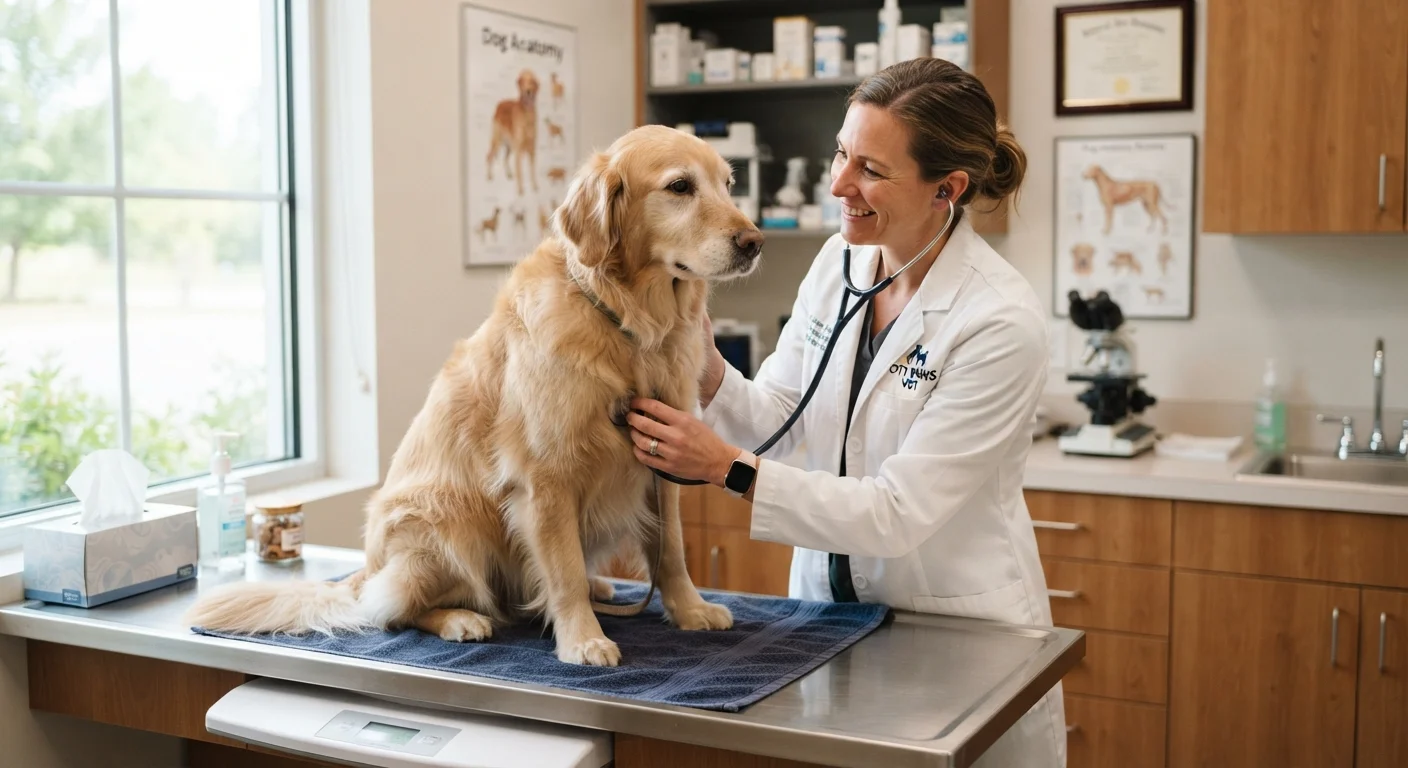
A routine wellness exam is far more thorough than most pet owners expect. From the moment your veterinarian lifts the stethoscope, they are working through a systematic head-to-tail assessment that covers far more than a quick once-over.
Here is what a standard annual exam typically includes:
- Weight and body condition: Gradual weight gain or loss is easy to miss at home. Your vet plots your pet's weight over time to identify trends linked to diabetes, thyroid disease, or organ failure.
- Teeth and gums: Dental disease affects the majority of pets over age three and is directly linked to heart and kidney problems. See our guide to pet dental care for what this means day to day.
- Heart and lungs: A stethoscope check can detect early murmurs, arrhythmias, or abnormal lung sounds that have no external symptoms yet.
- Eyes, ears, and skin: Infections, allergies, and early tumors often appear here first.
- Abdomen: Manual palpation helps identify enlarged organs, unusual masses, or tenderness your pet cannot verbally report.
- Lymph nodes: Swollen nodes can be an early indicator of infection or immune system activity worth investigating.
~70%
Pets over 3 with some dental disease
The American Veterinary Medical Association notes dental disease is among the most common conditions diagnosed in companion animals, often progressing silently.
2–7x
Human years equivalent per pet year
The aging ratio varies by species and size, but even a single skipped annual exam can span a meaningful portion of a pet's biological lifespan.
1 in 3
Apparently healthy pets with a hidden condition
Veterinary studies have found that a significant proportion of pets presenting for routine wellness exams have at least one previously undetected health finding.
Why Timing Matters: Animals Age Faster Than We Do
One year in a dog or cat's life is roughly equivalent to several human years, depending on species and size. A single calendar year can represent a significant biological transition — from middle age to senior status in a large breed dog, for example.
This accelerated aging means conditions like arthritis, kidney disease, and hyperthyroidism in cats can progress from undetectable to serious within a short window. Annual exams create documented checkpoints that allow your vet to compare findings year over year.
Senior Pets Need More Frequent Check-Ins
Dogs and cats are generally considered senior at around age 7–10, depending on species and breed size. At this life stage, many vets recommend shifting to twice-yearly wellness visits. Age-related diseases can develop and progress quickly, and more frequent exams allow for earlier detection and more timely adjustments to care.
Behavior is also a diagnostic tool. Changes in energy, sleep patterns, social interaction, or bathroom habits that seem minor to an owner can signal pain, cognitive decline, or systemic illness. Pairing what you observe at home with professional evaluation is the full picture. Our article on how pets show they're unwell outlines what to watch for between visits.
Prevention Is the Whole Point
The strongest argument for consistent annual care is economic and practical: catching a problem early is almost always less complicated and less expensive than treating it after it has progressed. Early-stage kidney disease, for instance, can often be managed with dietary changes and monitoring. Advanced kidney disease requires intensive intervention.
The wellness exam is also the moment to update vaccinations, review heartworm and flea/tick prevention, and ask the questions you have been storing up all year. Your vet is a resource, not just a diagnostician.
Make the Most of Every Appointment
Write down any behavioral or physical changes you have noticed — no matter how minor they seem — and bring the list to your pet's exam. Changes in thirst, appetite, sleep, or activity are all worth mentioning. Your vet can only act on information they have.
Pair what happens at the clinic with strong daily habits at home. Our guide on what pets need from you every day covers the consistent care routines that support long-term wellness between appointments.
This article is for general informational purposes only and does not constitute veterinary medical advice. Always consult a licensed veterinarian for guidance specific to your pet's health needs.